Make a Spider’s Web

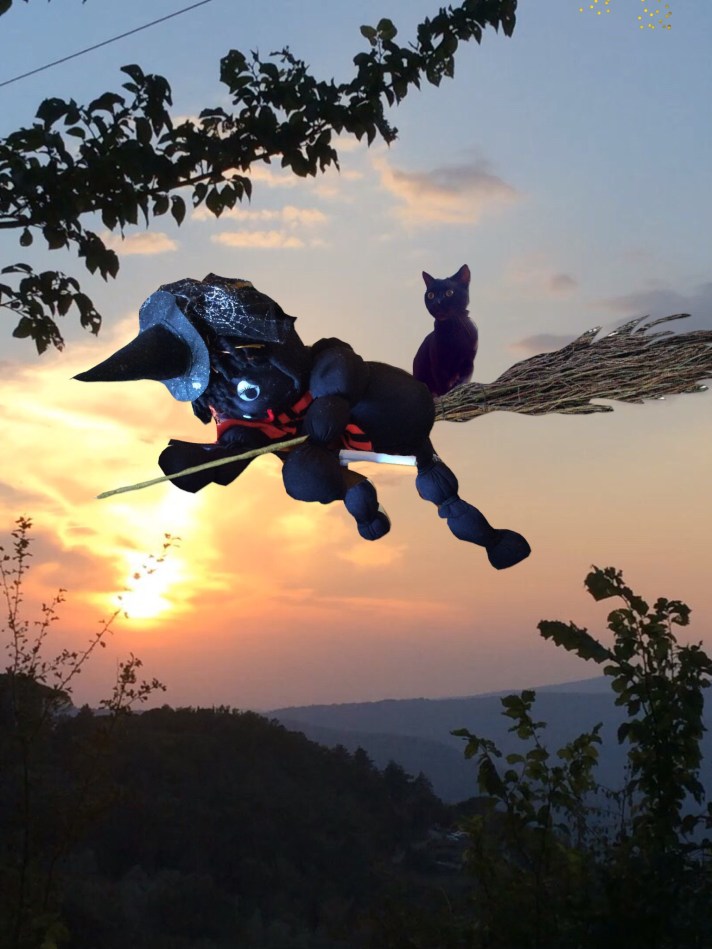
Here’s the web for yesterday’s spider .

It’s not difficult. Just fiddly!  AND sticky! 

I recommend that this web should be made by an older child or adult. 

I will be back later in the week with simpler webs for young children to make 


And here are the instructions

LIZZIE THE FORGETFUL WITCH


The first three of my  ‘Lizzie Witch‘ books are written and illustrated. 

That was the ‘fun’ bit,  but now comes the hard bit …..publishing!   It may be a long wait so there’s a ‘taster’ from the first book at the end of this post with a few of the photographic illustrations. I have a second edition of this book with watercolour illustrations. I’m also working on the idea of producing ‘Thematic Lesson Packs’ for Schools  based on the Lizzie Witch stories and a monthly magazine.   If anyone would like more information please email me at: jumblefun@gmail.com 

The Lizzie Witch books are meant for sharing. They are books to read at bedtime and during that cosy ‘Tell me a story’ time that all children love. The smallest child will soon learn to join in with the many repetitions and responses and older children will find the books fun as first readers.  But the LIZZIE WITCH books also encourage creativity and develop a love of learning

Every book contains a link to a video giving simple instructions on how to make one of the characters or objects in the story and further enrichment and learning links can be found on the JUMBLE FUN channel and website. (Click on the links below to check these out).

The link to my Website
The link to my YouTube Channel 

The first story, LIZZIE THE FORGETFUL WITCH introduces us to Lizzie and JUMBLE HOUSE (Yes! There really IS a Jumble House!) and three of her JUMBLE friends, Maisie, Freddie and Georgie.  We follow this loveable witch during a typical chaotic day when good intentions and forgotten magic spells produce hilarious results. With lots of laughs and opportunities to interact it is a perfect book for toddlers and young children and one that adults will be happy to read over and over again! 

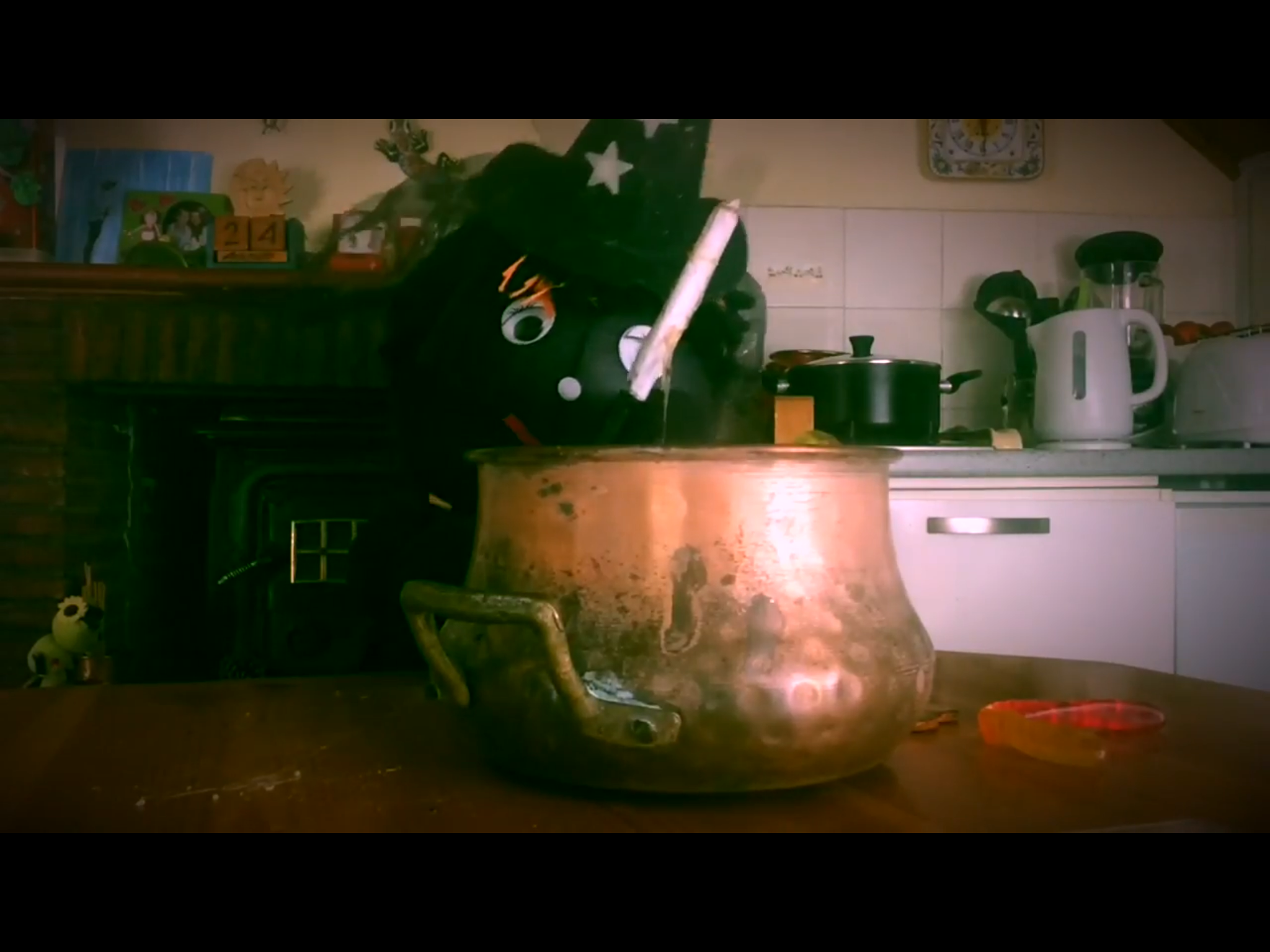
​Children love their story book characters to ‘come alive’ and the characters in the LIZZIE WITCH books do just that!  Above is a short clip showing Lizzie in action! 

There are over 100 videos on the  JUMBLE FUN Channel covering a wide range of topics from art and craft to science and nature and healthy eating, recycling and conservation!  Lizzie Witch has her own playlist containing fun but informative videos which not only complement the books perfectly but also deliver basic scientific concepts and information about the world around us in a way which will captivate everyone and motivate children to find out more for themselves. 

The books are set in and around  JUMBLE HOUSE and young readers will enjoy spotting familiar objects that they have seen in the videos or noticing missing ones that I have hidden !

The second and subsequent books have a simple science or nature theme with an art and craft extension at the end of the story.  For example TUFTY THE CATERPILLAR  tells the magical story of a caterpillar changing into a butterfly and has a link to video instructions on how to make a little ‘Tufty’ toy. Written in the same captivating style as LIZZIE THE FORGETFUL WITCH, it introduces children to the amazing world of insects and the wonder of metamorphosis. 

Other titles in the Lizzie Witch series: 

TUFTY THE CATERPILLAR (ready )

THE SWAMP MONSTER (ready) 

THE JUMBLE-TUFTS (coming soon)

SAMMY SNAIL (coming soon) 

SPINNY SPIDER ( coming soon) 

……….. and now, here is the promised taster from the first book in the series: 
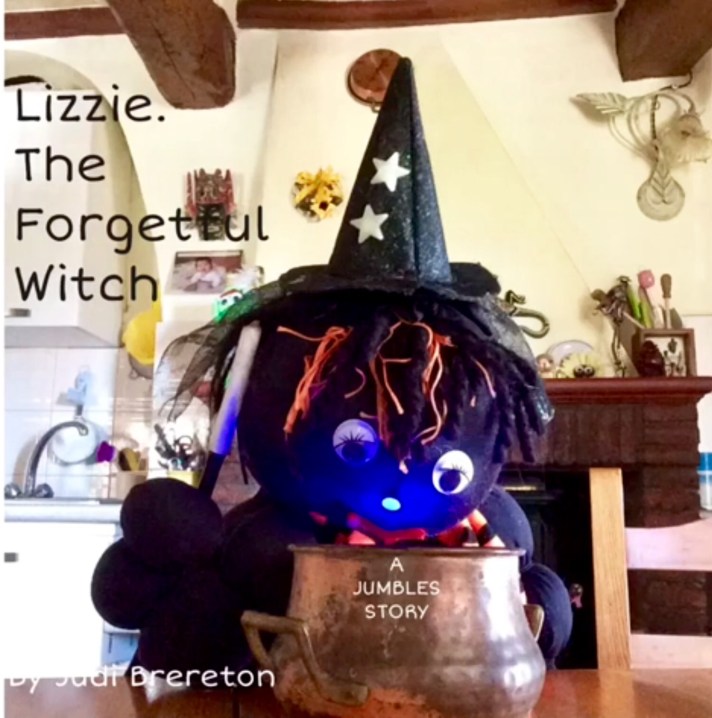


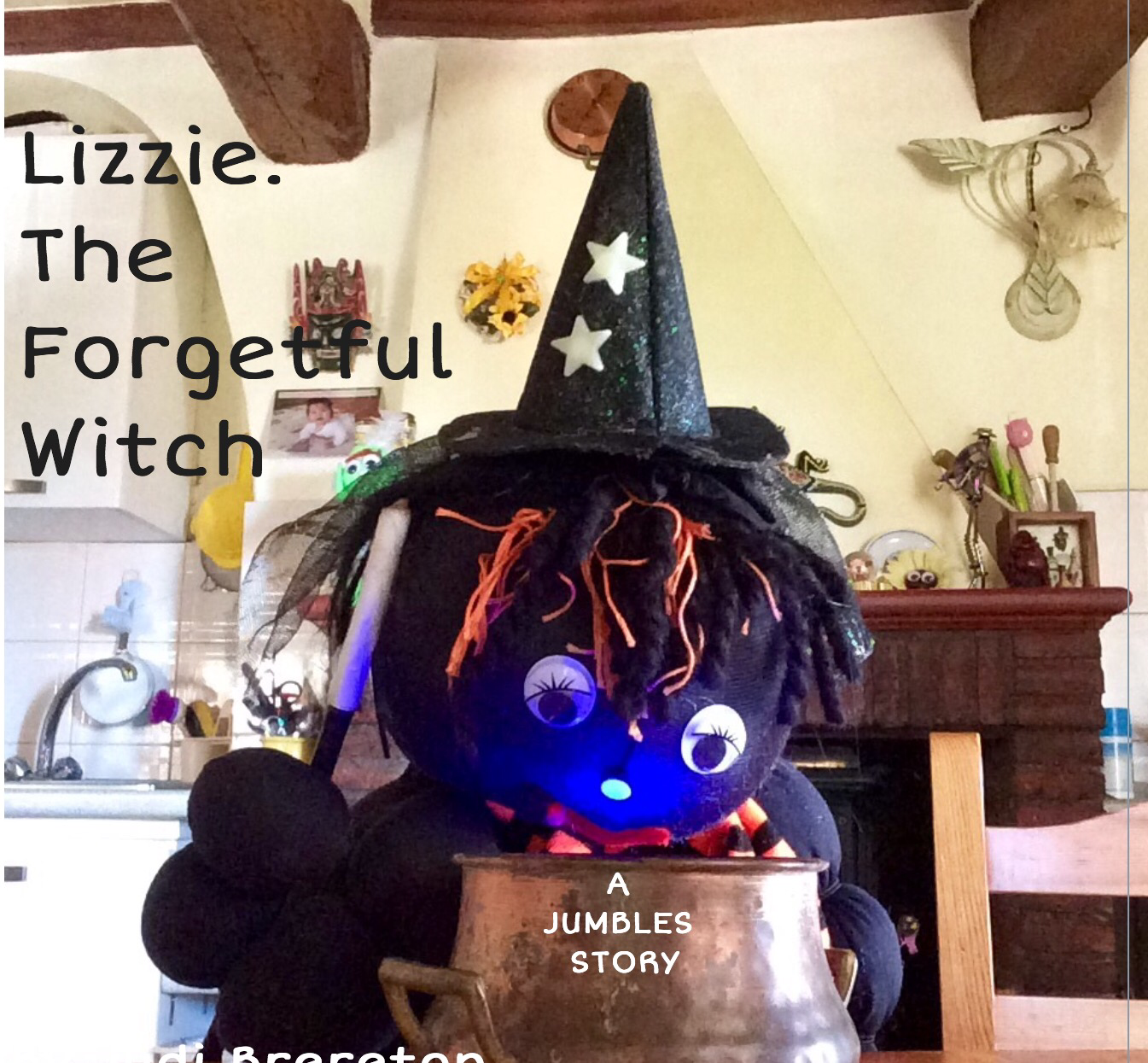
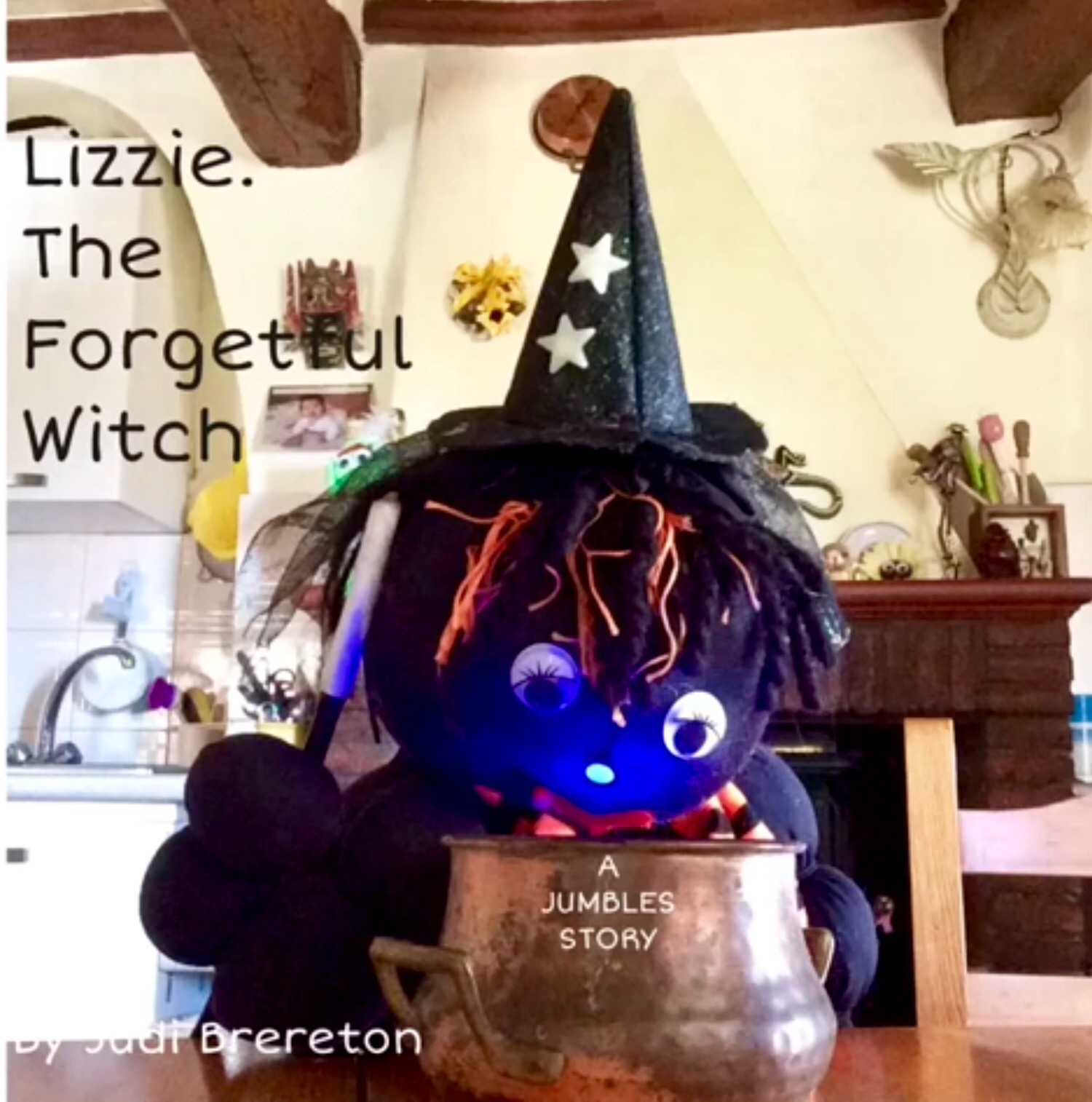
LIZZIE THE FORGETFUL WITCH by Judi Brereton

(Copywrite 2016 Judi Brereton. All rights reserved. No part of the text or photographs from this book, ‘LIZZIE THE FORGETFUL WITCH’ may be reproduced in any form or by any electronic or mechanical means without prior permission in writing from Judi Brereton.) 


Lizzie is a very forgetful witch.  She forgets birthdays.  She forgets the time. 

She even forgets her broomstick! 

But, worst of all Lizzie forgets her magic spells and that makes life very difficult for Lizzie and for everyone else. 

Yesterday was a particularly bad day.

Lizzie woke up. Forgot where she was and fell out of bed. 

On the mirror were the words, ‘HAPPY BIRTHDAY’

‘I wonder whose birthday it is,’ said Lizzie.

Lizzie wanted a boiled egg for breakfast.

Could she remember where she kept the eggs? 

No. Of course not! 

‘Never mind,’ said Lizzie ‘I can magic an egg.’ 

Could she remember the spell ?

No. Of course not ! 

…….. and that’s when the fun starts!!!!


The Jumbles are very special ! 

They are characters designed to GROW with their readers. 

Tinies will enjoy playing with the toys and sharing the stories.

Older children will be inspired by my Sunday Challenge programmes to write their own stories and maybe feature JUMBLES they have designed and made themselves. 


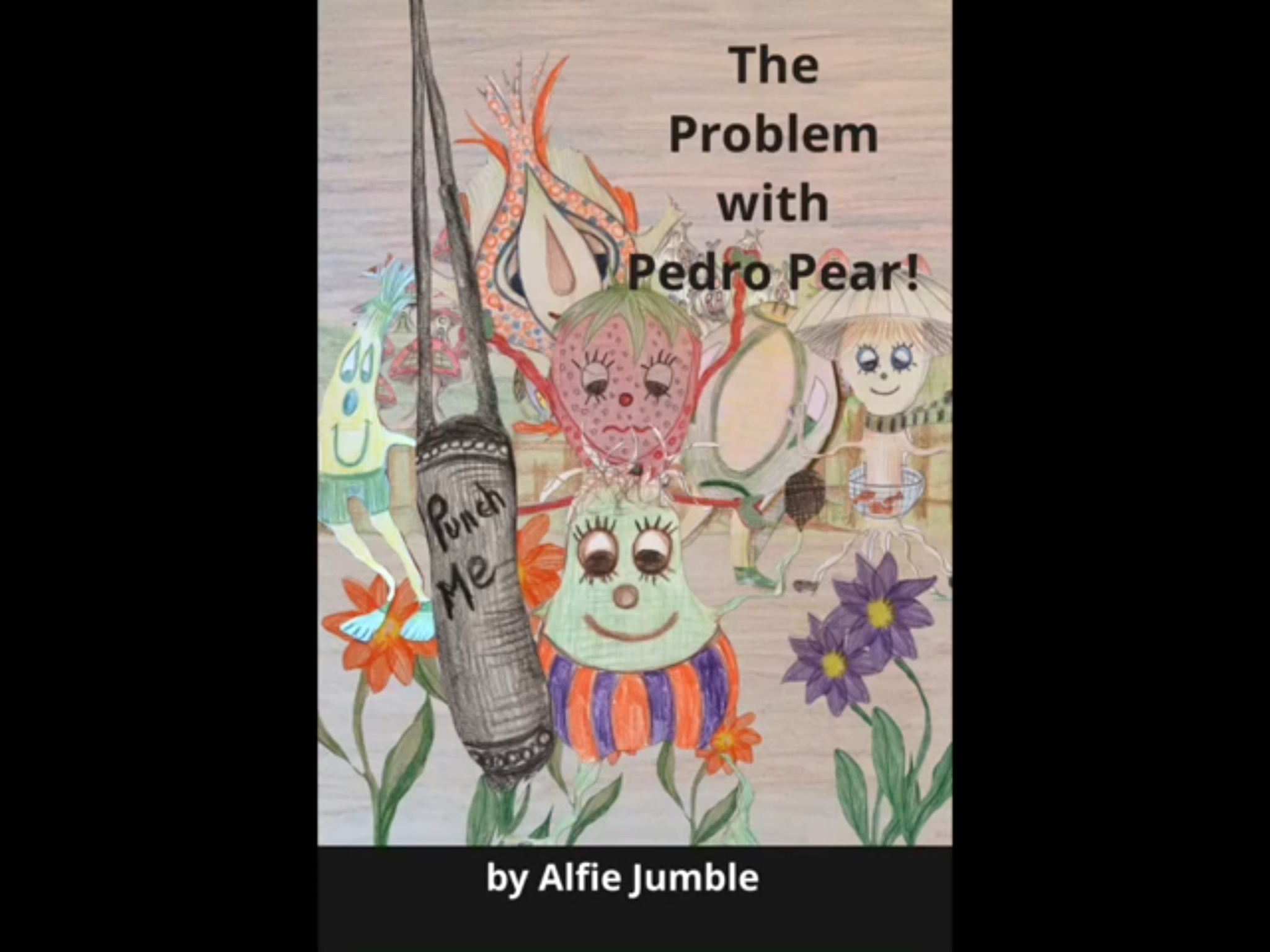
THE PROBLEM WITH PEDRO PEAR is one of the stories I wrote to help youngsters write, illustrate and publish their own stories during a SUNDAY CHALLENGE programme.

Please note that: (Copywrite 2016 Judi Brereton. All rights reserved. No part of this book may be reproduced in any form or by any electronic or mechanical means without prior permission in writing from Judi Brereton.) 

Click on this link for the narrated story about Pedro Pear

Follow us on Facebook and Twitter. 

Facebook
Twitter

Print Making

image

A new series of workshops on print making for children starts today at Jumble House.

Print making is fun and requires very little equipment.

Click on the link below for the first programme.

Have fun with printmaking

Melted Crayon Pictures 

A fun and colourful project.  The challenge is choosing the best colours and arranging them to obtain the best effect. How you use the hairdryer and the tilt of the board makes a huge difference to the result . 

It’s a good colour mixing and coordination and thinking project. 

Watch our video :   

Crayon Melting at Jumble House

Materials: 

A good hairdryer …we use one from BOOTS . We reckon that if a hairdryer can withstand daily normal and being  used by Lizzie Witch on a regular basis for a couple of years it must be good! 

Crayons …we used Crayola and Bic crayons . Both are good. Some pictures look better with the paper left on. Others are better when the paper is removed. 

Some card to test out the process before doing the real thing. 

Glue to stick the crayons to the canvas. We used BOSTICK.

Cellotape can be used as an alternative to glue but fiddly.

Canvas boards. 


Suggestions :

Try using card and small bits of crayons for the first few runs.  This is cheaper and will enable the child to see what happens and to decide which colours to use and how to arrange them.

Don’t overdo the hairdryer bit! Kids will want to carry on and on until every bit of crayon has gone but as in a lot of art, less is best!  But it’s a good idea to let them have their own way during a practice run on card!  Learning from your own mistakes is the best way and hopefully they will see that controlled melting is more effective. You could suggest trying both and then comparing the results. 

Ask them to predict what they think will happen. Which colours will mix? What colours will this make?  What will happen if you point the hairdryer sideways?  What will happen if you point the hairdryer over the top of the crayons? 

More Ideas:

  • Make the melted crayon look like a tree full of dripping blossom ….you can paint or stick a tree trunk on the canvas before melting the crayons. 
  • Make a picture of someone blowing bubbles ..a few grated bits added helps.
  • Make the melts look like rain …draw or stick a person with an umbrella on the board.
  • A fountain 
  • A waterfall 
  • A bonfire. 

Practicalities:

The crayons do splatter  a little so do cover tables well or do outside using an extension lead. 

This is a project for children old enough to hold a hairdryer confidently. Probably around 7 years and up. As with all of the Jumble Fun projects, adult supervision is advised

An adult will be needed to cut the crayons in half unless you use a big canvas board and then they can be stuck on intact.  

The video is fun to watch and shows the basic process. Use it as a stepping stone from which the child can develop their own ideas. 

Click on the link below to watch the Sunday Challenge in Jumble House: 

Melted Crayon Picture Challenge from the JUMBLES

Moody Moulds

Moulds are plants but not green plants.  They don’t have the green pigment chlorophyll and so cannot produce their own food.  They belong to a very large group of plants called FUNGI. The same group that our mushrooms and toadstools belong to. But Moulds are very, very tiny and their bodies are made up of thin white  threads like cotton. 

They reproduce in the same way as mushrooms and toadstools by producing black spores. When these land on a suitable food source they put out hyphae which grow into the food. These spores are in the air everywhere and we can’t get away from them.  Even when you seal food in a plastic bag or an airtight container there will already be spores on the food so it will go bad. How quickly depends on the temperature.  That’s something you can investigate! 

They get their food by secreting enzymes that break down whatever they are growing on which is often our food ! Then the digested food is absorbed by the hyphae. 

So. We know that Moulds make food go bad and that is very annoying! Do Moulds have any uses? 
Well yes!  We would  be in a mess without them! Literally ! 

Like all Fungi, Moulds help to break down (decompose ) dead animals and plants and any odd bits of food that careless people have left lying around. They are very active in compost heaps. While breaking down the dead plants and animals they release nitrogen carbon and oxygen back into the atmosphere. 

There is also one very important mould from which we obtain the antibiotic Penicillin. To learn more about this click on this link: 

PENICILLIN
Do you like cheese?  Well, we wouldn’t have that if it wasn’t for Moulds !!  Check that out here: 

BLUE STILTON CHEESE PRODUCTION
Things for you to do: 
Please remember that you must always check with an adult before doing any investigations and before looking anything up on the Internet. Mould spores are a risk to health so never smell Moulds! The Mould garden should be disposed of without removing the lid. 

1. Grow a mould garden :  see the JUMBLES DOING THIS HERE: 

GROW A MOULD GARDEN

2. Find out how temperature affects the growth of mould. 

To do this you will need  4 plastic bags . The type that seal with little zips are best. Four similar items of food, for example four  slices of bread from the same loaf. 

All you need to do is sprinkle each slice of bread with just a tiny bit of water. Half a teaspoon is sufficient. Then seal in the bags. Put one in the freezer. One in the fridge and one should be left out in a cool room. He last one should be placed somewhere warm like on a sunny window ledge. 

First predict what you think will happen. 

Then check very couple of days and record your results. 

At the end draw your conclusions.  What happened ? Why do you think this happened? 

3. If you would like to see a speeded up video of Moulds growing and reproducing click on this link: 

MOULDS GROWING AND REPRODUCING

Meet one of the oldest animals to inhabit the earth 

Yes! It’s the European House Centipede. Fossils have been found dating back more than 400 million year so it can definitely claim to be one of the oldest animals on earth!  Lizzie found it wandering around Jumble House and thought you would like to see it before we set it free again. 

What kind of an animal is it? Well it’s not an insect because it has more than six legs and it’s even got more than a spider!  A centipede belongs to a group of animals called Arthropoda. Crabs and lobsters also belong to this group. 

It’s also one of the fastest running like grease lightening at a speed of 40 miles an hour so it would be breaking the speed limit in all the built up areas of the U.K. or Europe!

100 legs? No!  Although the name suggests that they have 100 legs they just look like they have.  Most European centipedes have about fifteen pairs of legs. The legs are very thin and nearly as long as it’s body.  Centipedes can live for several years and they can regrow their legs which often get chopped off when a bird tries to catch them! They live in dark damp places like under rocks and wood and prefer to hunt at night. 

Are they dangerous?  No.  Just scarey because they are so wiggly and move so quickly.   They have poisonous front claws but these are too small to bite through our skin.  In the desert there are giant centipedes which can bite humans and this is a bit like being stung by a bee.  They use their claws to catch food for their dinner. They are carnivores (meat eaters) and eat insects and other bugs like worms and they may even eat their friends!  The larger ones can eat frogs and birds! 

But, despite their choice of food, Centipedes can be good mothers and some carry their eggs around until they hatch. 

For more on centipedes and to have a closer look at the one Lizzie Witch found at Jumble House, click on the link below: 

The European House Centipede

Learning a Second language.


Why do we speak? 

We speak to communicate.   We also enjoy speaking. We want to talk! Some more than others! It’s fun to meet friends and have a chat. We enjoy watching or listening to others talking on the TV or radio. We learn just about everything from language. All this appears obvious and yet somehow these really basic facts often appear to be have been forgotten or overlooked when learning or teaching a foreign language. 

Let’s  think about how a toddler learns to speak and why it wants to speak. After all for many months it only needed to cry to get what it wanted!  Those were the days when it’s basic needs could  be counted on one hand! Tired. Wet. Hungry. Too hot. Too cold. Once you need two hands to count then another form  of communication is added and that is usually physical. So the child still cries but also starts to point or grab or mime and wave its arms about! (a bit like we do when on holiday in a foreign country). Parents frantically make guesses  and are hopefully met with a smile and a nod but more often than not with violent shakings of the head or stamps of the feet or both!  Just at the developmental stage when frustration is likely to win, language kicks in and LO ! We have speech communication albeit only the odd word. 

A native language is learnt by listening, watching, copying.   Trial and error.  Although we may not actually ‘teach’ our two year old we will, without realising, correct and expand the phrases they utter. For example. A child may say, “Daddy going.” We would say, “Yes. Daddy is going to work.” Without realising , the child stores this information and builds on it. 

But when a parent speaks to a child the emphasis is on getting the meaning across and not the grammar. 

Imagine the frustration if a parent corrected their two year old every time it got the grammar wrong!  The child would probably give up and go back to pointing and screaming!  Although older children and adults don’t succumb to such tactics (although they probably feel like doing) too much emphasis on using correct grammar, verb tenses etc is a big ‘turn off’ and can stop both adults and children from communicating

A child is like a sponge. It’s brain absorbs information about language continually. Long before if utters its first words it is absorbing not just the words but the rhythm and pattern of speech. This silent period of acquisition is essential but is this quiet period allowed when learning a second language? In my experience the answer is definitely ‘No!’ Unfortunately the older we get the less we resemble a sponge and so the longer this period of silent acquisition needs to be! 

But in many language classes the expectation is to  use the new language from the first lesson. To repeat. To answer questions, often in front of classmates and this leads me onto another very important obstacle to learning. Anxiety

What happens when you ask your toddler to repeat something it has just learnt to say. We’ve all done this. One day little Molly picks up an apple and says ‘apple’ for the first time. You are naturally very excited and can’t wait for her to repeat this to everyone!  When Granny and Grandad arrive you show Molly an apple and ask her to tell them what is is. Does Molly  perform? Probably not!  

What would happen if you put pressure on her like this every day ?  If you asked  her to repeat every new word or phrase to every Tom, Dick or Harry?  It is likely she would become anxious and anxiety is a major killer when it comes to learning

But isn’t this what happens in many language lessons?  There is the pressure to speak. Some kids and adults are ok with this. To others it is a nightmare. They become anxious. This stops them learning. Then they feel they have failed and so it goes on in a downward spiral. Teachers need to understand that silence can be golden !  That students who don’t participate may need this silent period of acquisition and putting pressure on these students will only cause anxiety. 

This doesn’t of course just apply to the teaching of language. It applies to every subject. But since language is the means of communication and we need to acquire language to communicate then it is vital that the emphasis is about getting over the meaning. Then and only then should the actual structure of language be addressed. 

So what do I think is the best way to learn a language? 

I think what I am going to say applies to learning everything

  • First you must want to learn . There must be a reason. An incentive. 
  • Secondly it must be fun.
  • Thirdly it should be a shared family activity.  We can’t expect our children to be interested if we are not ! 
  • Fourthly and I think this is so important. The learning should be multi-sensory. This means that all your senses  are involved.  It has been proved that bette learning takes place when the activity is multi-sensory.  A good example of this is when you are making bread.  Your sense of touch is used to determine when the dough has been kneaded sufficiently. Your sense of smell is activated during the making and baking and your sense of taste through the eating! That is also a reward and an incentive. Your sense of sight is important to ensure the dough has risen sufficiently and that the loaf is the correct shape etc. 
  • Lastly the activity should introduce vocabulary that can be used over and over again during our everyday life. 

Cooking Projects are often featured in my Jumble Fun English programmes because they do fulfill all these requirements. 

​I also use art and craft projects for the same reason. They are very ‘hands on‘ activities for families to enjoy together and the new vocabulary is easy to incorporate into daily activities. 


​​Remember children learn best by ‘doing’! 


Take a look at this video English lesson which uses  a cooking theme: 

Make an English Sandwich

The Jumble Fun English Channel: 

Jumble Fun English Channel

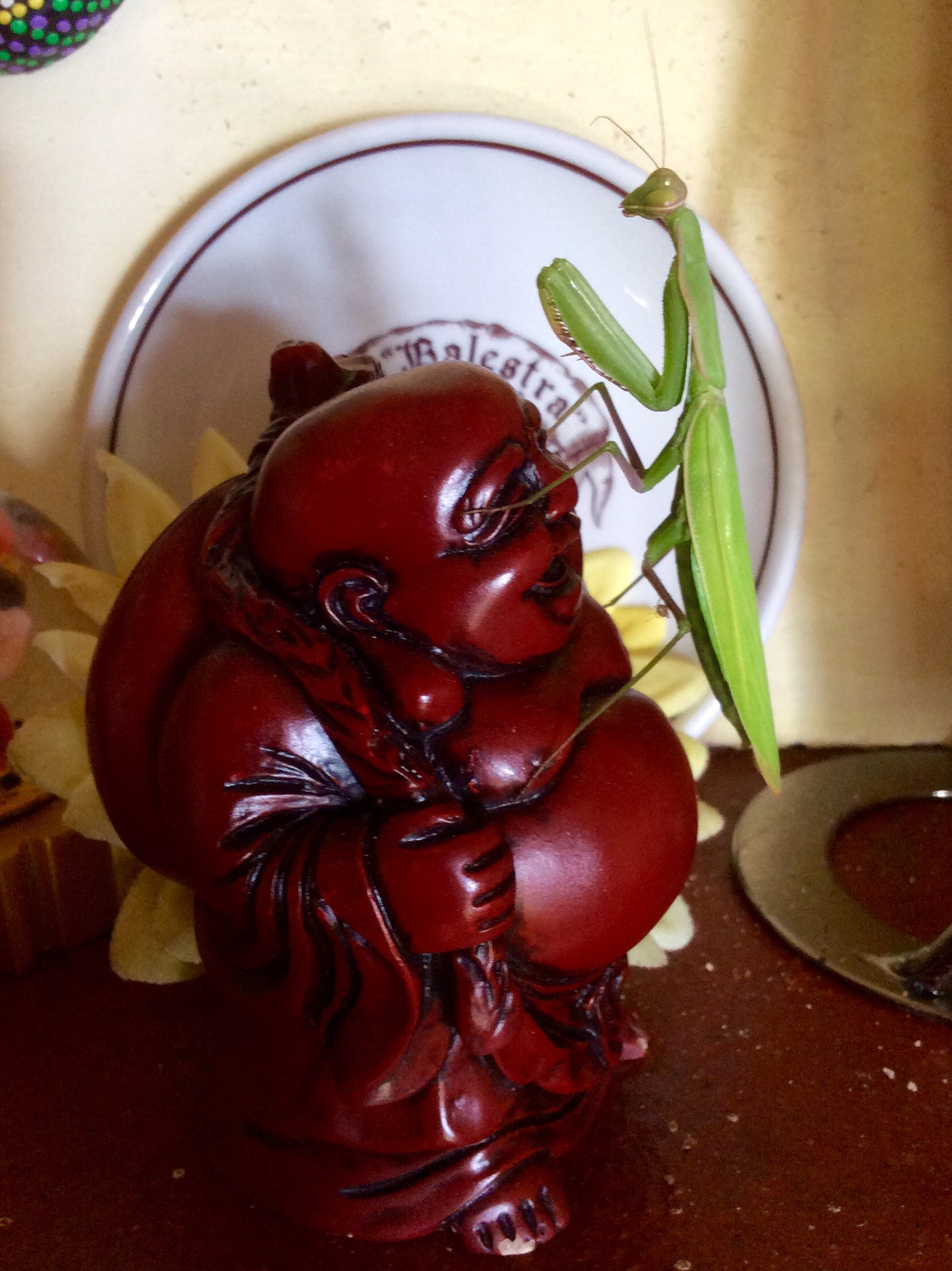
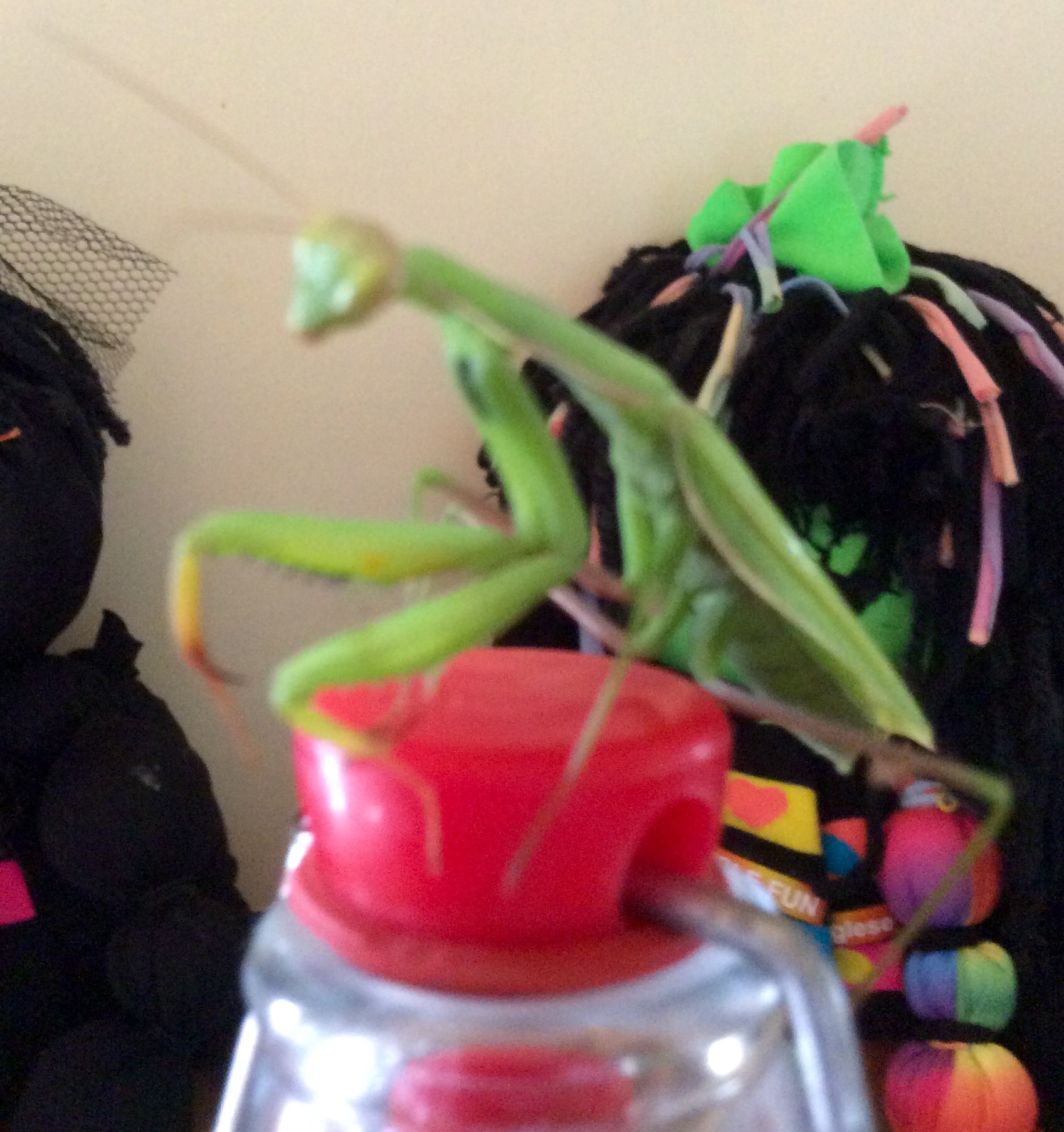
Praying Mantis

Error
This video doesn’t exist

An interview with our breakfast guest.

Q. What kind of animal are you ?

A. I am a Praying Mantis!

Q. Why are you called a PRAYING mantis?


A. Because I hold my front legs up in front of my body which makes me look as if I am praying !

Q. Are you an insect?

A. Yes I am. I have six legs and wings and my body has three parts. A head. A thorax and an abdomen.

Q. Why did you fly into Jumble House this morning ?
A. Well, I was looking for something to eat in that tree across the road but it suddenly got very windy and I came here for shelter.

Q. What do you eat ?

A. I eat insects . Flies and beetles and that kind of thing.

Q. How do you catch them?

A. Well, I lie in wait and keep very still and quiet. When I see something that looks good to eat I leap out and grab it with my front legs. They are covered in spines so my dinner can’t escape!  Then I bite it neck to paralyse it before tucking in!

Q.How old are you?

A. Let me see. I hatched out of my egg in the Spring. I think it was March. Now it’s the end of August so I must be about five months old. That’s pretty old for a Mantis. We only live for a year.  Soon I will lay eggs and then my life cycle will be complete. Next spring all my little children will hatch out of the eggs as nymphs. They will look just like me but smaller and they won’t have any wings. But they will eat and eat and get bigger and bigger and have to shed their skin lots of times before they become an adult.

Q.Where do you live?

A. Anywhere I can find yummy dinners and that usually means in fields and in old buildings and in trees. But I don’t like the cold so you will only find me in warm climates.

Q. I like the way you turn your head. It’s cute!

A. Thank you!  I am the only insect that can turn its head 180 degrees. Kind of cool isn’t it! It makes it much easier to look for my dinner.


Q  Why are you that very bright green colour ?

A. That’s because I usually live in green places like fields and trees.  Because I’m the same colour as my surroundings it’s easy to hide from my prey.  It’s called camouflage.

Q. But you are not very camouflaged here in Jumble House.  I can see you very easily!

A. Yes. I know.  Now the storm is over I will be going soon. But I know you are very kind and won’t hurt me.

Q. No. We won’t hurt you . Thank you for coming to see us.  Can you fly?

A. Yes I can fly very well.

Good bye and thank you for sheltering me.


Happy Bank Holiday Weekend UK! 

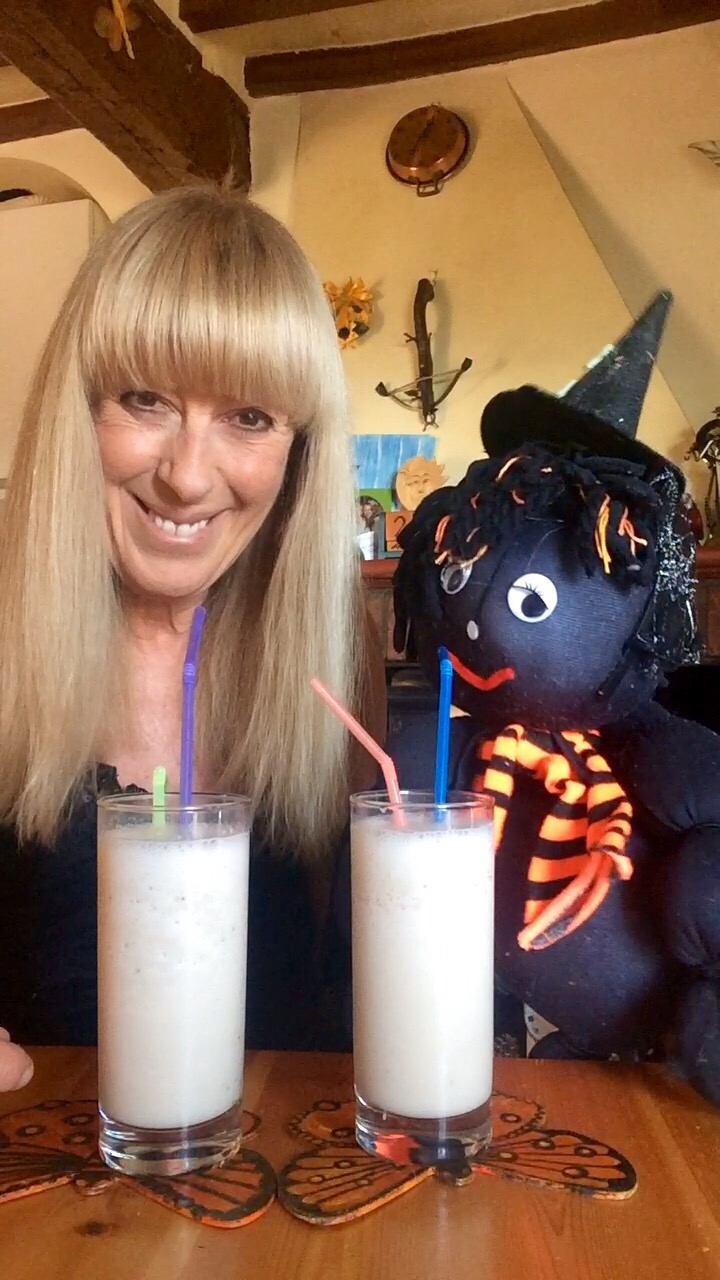
Four  steps to enjoying a perfect family Bank Holiday afternoon! 

1. Buy some bananas and milk and make some ice.

2. Watch the video together 

3. Make the drink together. 

4. Put the video on again and enjoy your drink in peace while the kiddies are enjoying Lizzie Witch … again and again! 

Enjoy! 

Here’s the link: 

Make a cooling banana drink with Lizzie Witch

Polystyrene Models

​SUNDAY CHALLENGE 

This Sunday Challenge introduces children to polystyrene and suggests ways to make models.  It is ​a great project for children from six upwards with adult supervision. 

Polystyrene is fun to work with and building sculptures like this one teaches children to appreciation the importance of light and shadow and movement. 

The inspiration for the featured image came from an amazing sculpture by artist Danilo Fiorucci entitled : LO SPAZIO ASSENTE . ( The ascending space). 

To view this sculpture and the Jumbles experimenting with polystyrene watch the video below: 

The Sunday Challenge