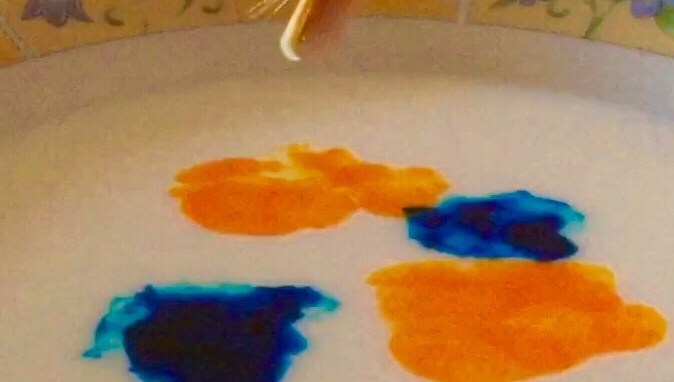
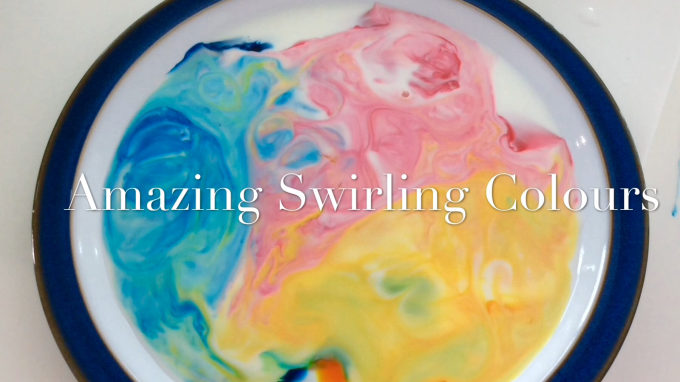
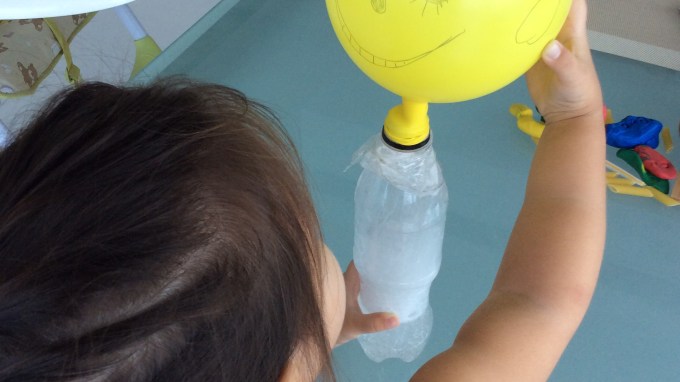
MULTI COLOURS. Fun learning at Jumble House. 

This is the fourth  programme for under-fives from JUMBLE HOUSE.

the number is 5.  The letter is M.  The theme is ‘MULTICOLOURS’  

All activities are designed for under fives and to be shared with an adult. The Art activities can be adapted to suit older children. 

‘.​

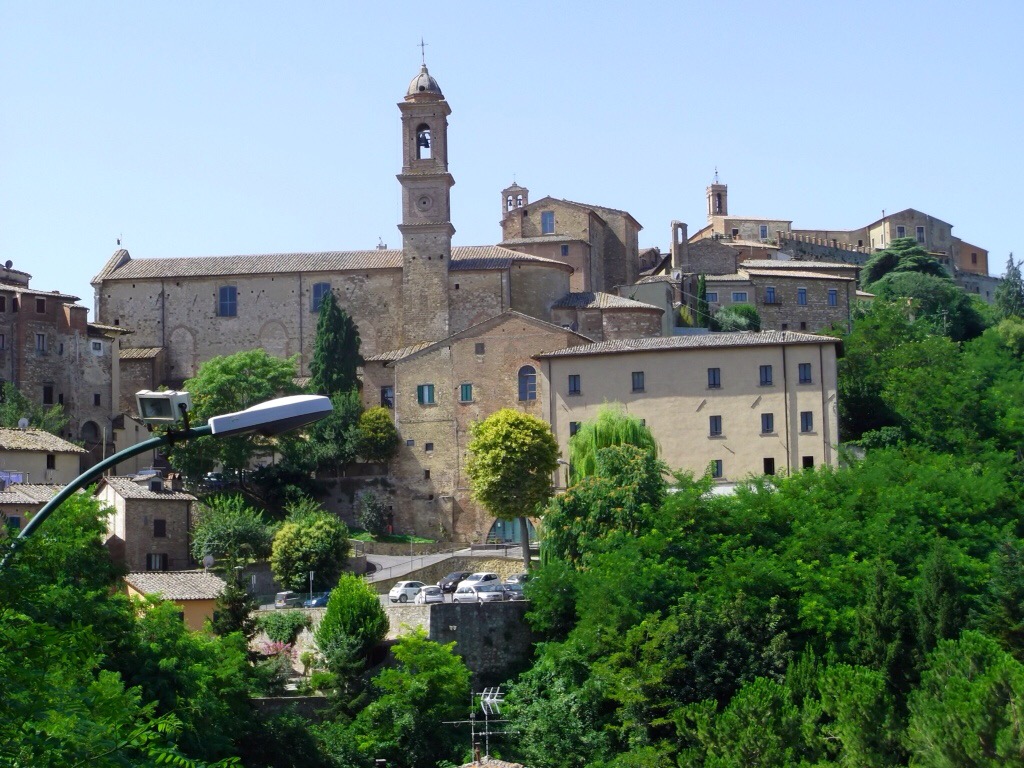
Montepulciano for Families

The first time we visited Montepulciano was with our two daughters, then aged four and ten. It was a long time ago in the days of cars with no air-con or satnavs. We didn’t even have mobile phones or the Internet.   We have never actually stayed in Montepulciano preferring the less commercialised and quieter hilltop towns of Umbria near to Lago Trasimeno. But now, living  just a forty minute drive away in Castel Rigone, we love to visit the town just for an afternoon or for  a meal in the evening. 

Our daughters are now mothers themselves and recently we took our little granddaughter (then aged two) to Montepulciano for the first time.  
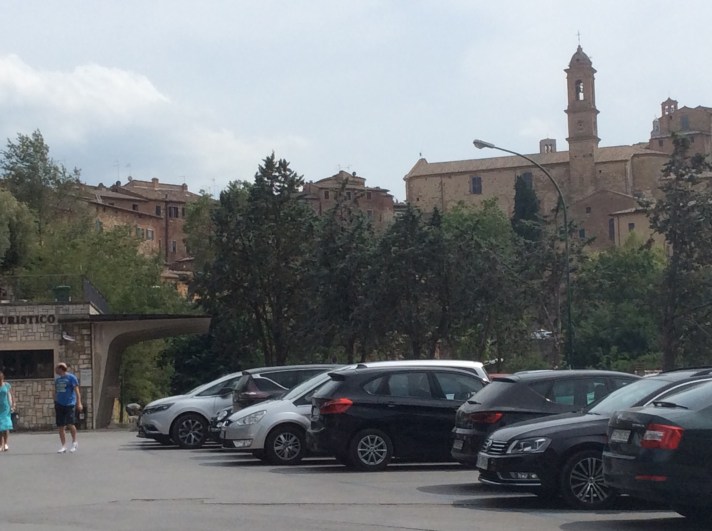

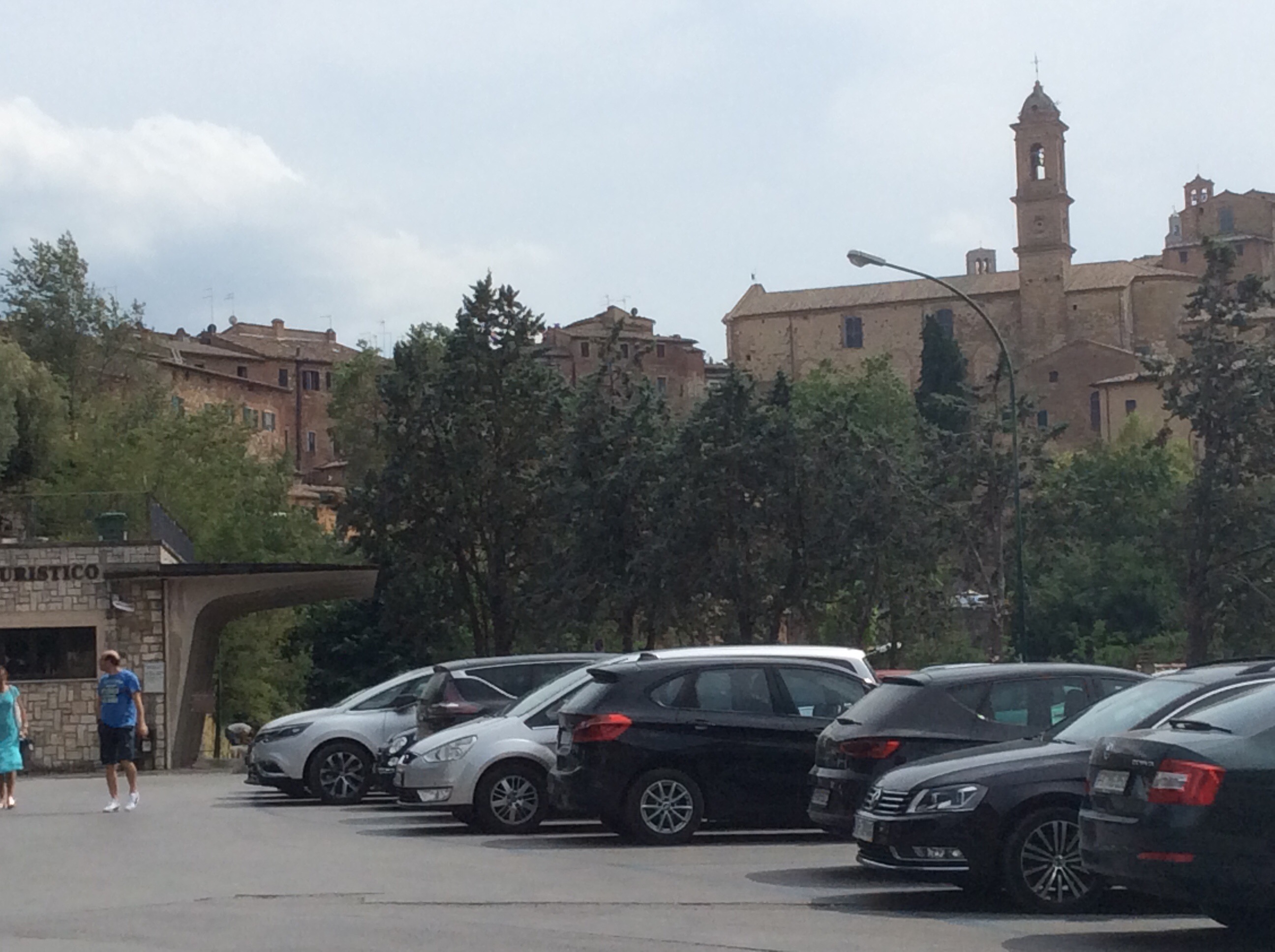
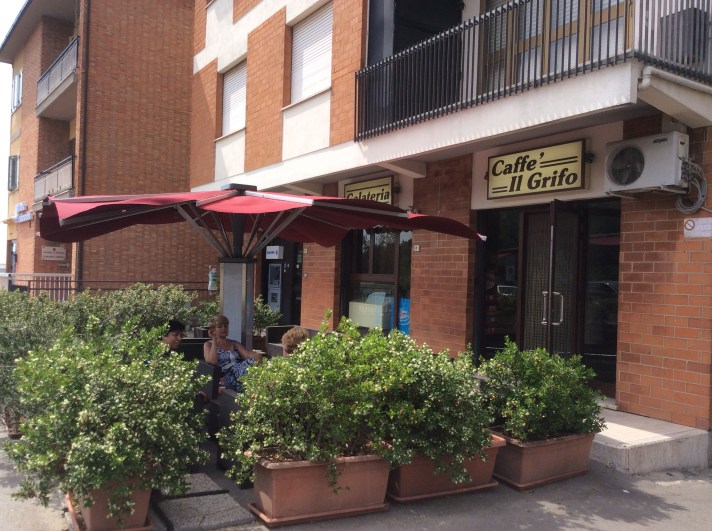
Although busy it’s usually easy to find car parking space on the roads or there is a good car park near to the Information Centre, above. Since everybody is always in need of toilets and a drink we always go to this bar before starting into the town. We have always found it to be a  very friendly bar with a good choice of cakes and sandwiches and normal prices. (Now that would be €1.20/€1.50 for a Cappucino and €1.10 for a basic cake in our regular bars. )

We prefer to arrive around 3 0’Clock or 4 O’Clock, late afternoon from June to October when the sun is  lower in the sky and the streets shaded. We have never tried pushing a pram or a pushchair but it is not a difficult place to navigate, the Main Street climbs gently uphill but, if you want to explore the side streets then there are lots of steps and cobbles to cope with.  It’s my experience that tiny children just love climbing steps and this was definitely the case with our Granddaughter last year. She found the little cobbled streets with their many steps and archways as compelling and addictive as swings and roundabouts would be at a fairground!!

Half way up the Main Street is the Torre di Pulcinella (newly painted) with a clown who strikes a bell on the hour and half hour. An obvious attraction!  Near to this is a bar so you can sit and have a drink while waiting for this very brief but magical moment to happen. 

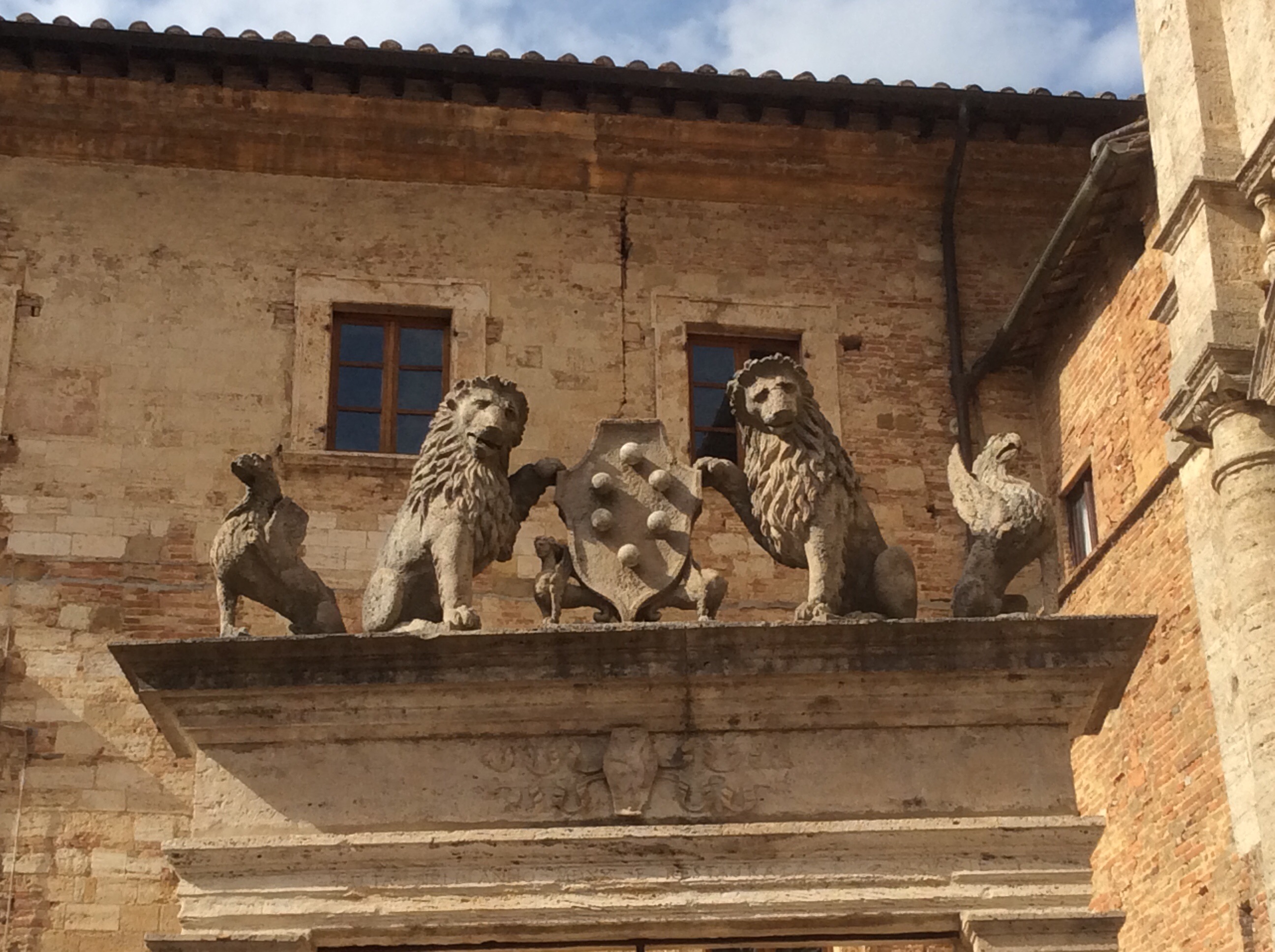
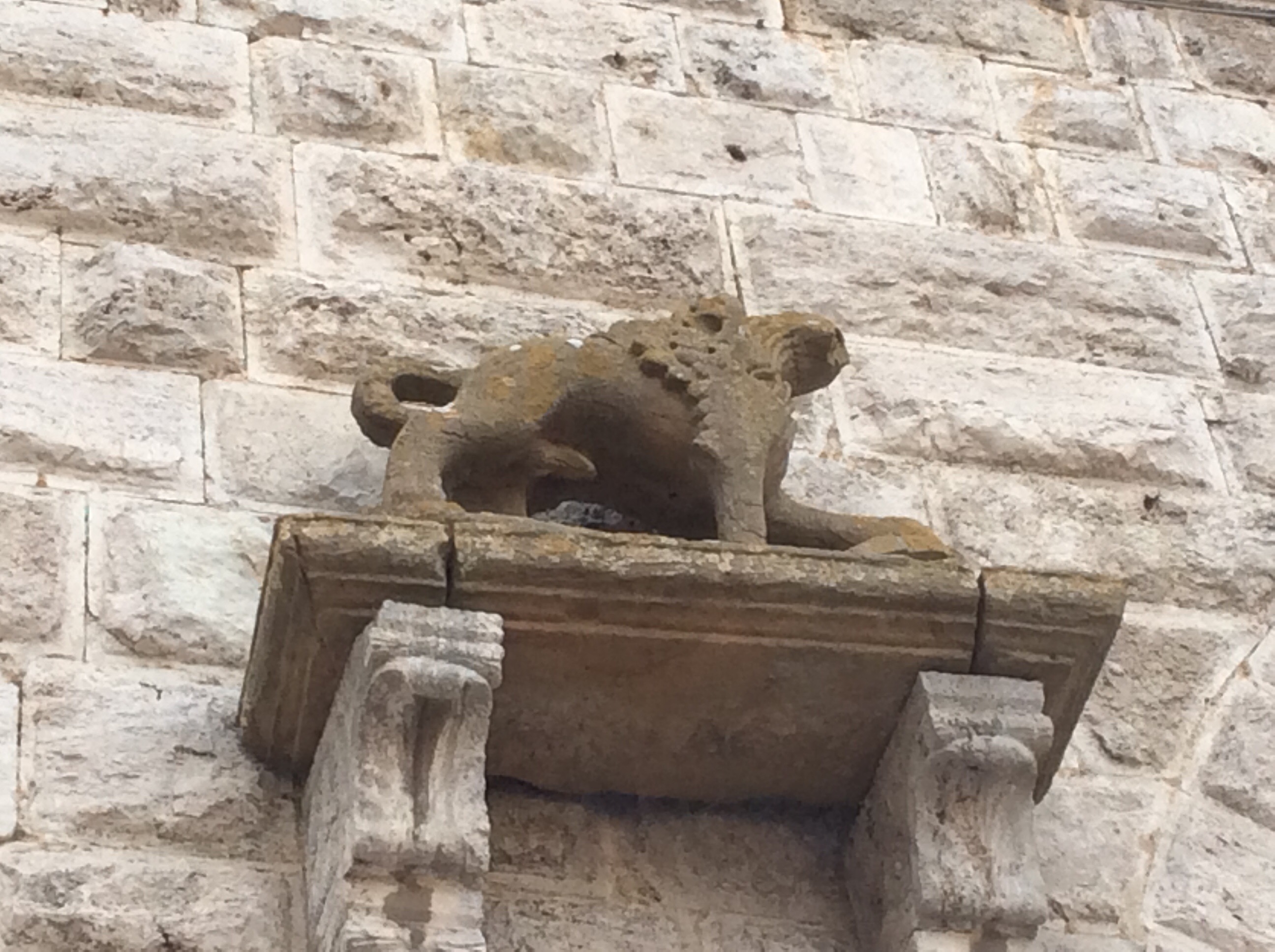
Kids love animals and plants and so another attraction would be the Palazzo Bucelli in Via Gracciamo where they will find a selection of medieval plaques and some Etruscan urns carved with lots of creatures. 
For a two year old the underground Etruscan city with its maturing barrels of wine didn’t hold any attraction except for all the steps!  But older children of four upwards are usually entranced by these meandering caves and really enjoy tasting the cheeses and honey and bread and oil. 

We always played games with our kids when sightseeing. It kept them interested and motivated plus they learned a lot which was a bonus! The eldest loved to keep a Travel Journal. In it was stuck reminders of our days out like sugar packets and bills from bars and restaurants and postcards. She would record how long it took us to get there and what she liked and favourite buildings etc. We played I Spy kind of games and Montepulciano is good for this.  Try asking them to look for animal or plant carvings.  There are lots! 


Why not have a competition to see who can  find the next Water Tap or the next blocked n archway or window or the next Ape Van! 

Take chubby crayons and paper along. There are lots of interesting inscriptions and patterns on the walls and floor for rubbing,,

They can also be given puzzles dependent on age. 

For example, ‘What do they notice about the number of stones round a window or door?  Is there a common number pattern? Why?! Of course they will realise that the number of stones is always odd because each arch has a central stone at the top. 

Once you have meandered up to the top piazza they will want to go up this tower. 

Children cant try wines but they can try honey and salami and cheese and bread soaked in delicious oil! AND older ones will  definitely enjoy a trip down into the subterranean city which can be accessed here: 

Enjoy your visit to Montepulciano! 

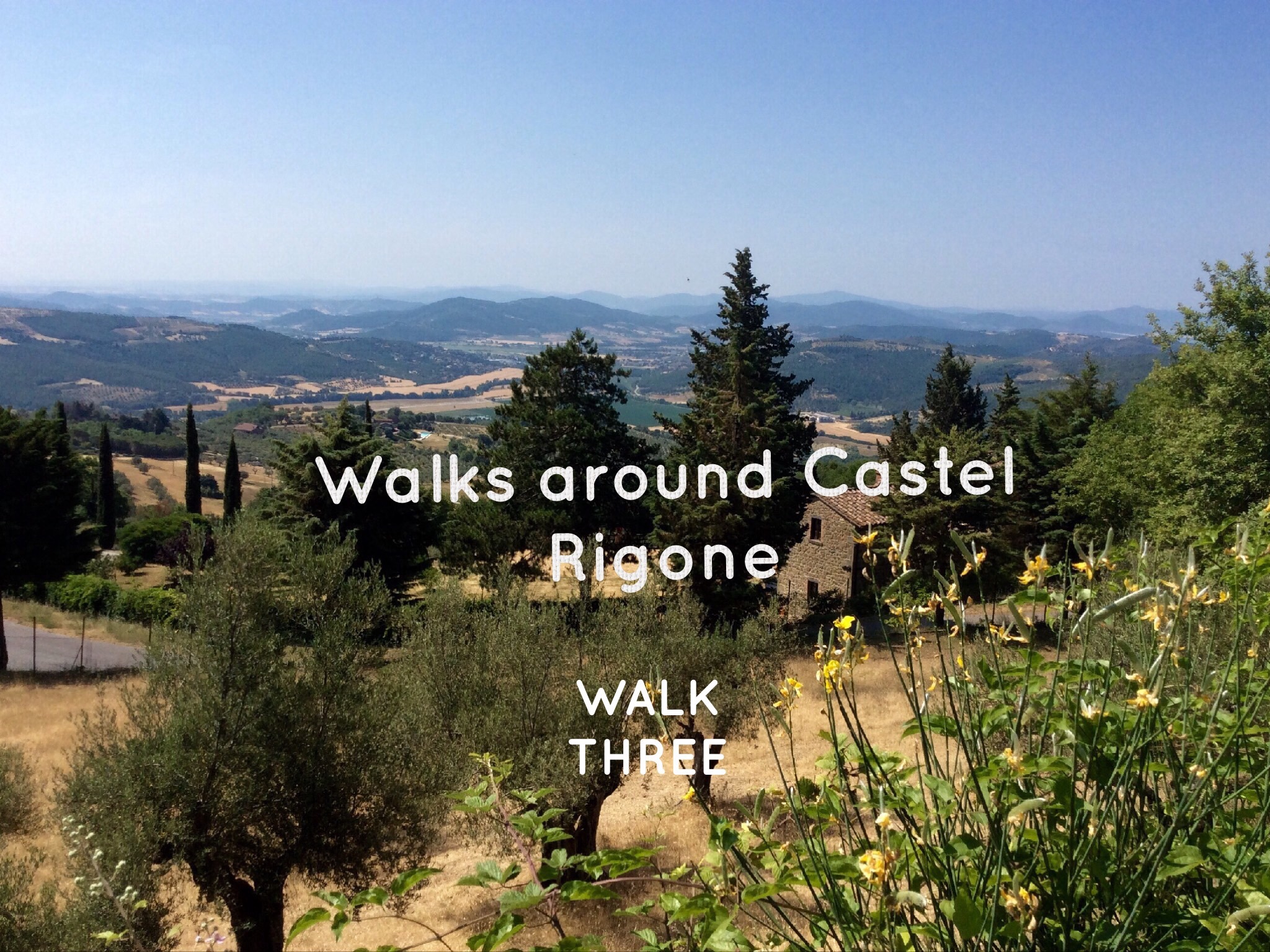
The 3rd walk from Castel Rigone.

This walk begins and ends at the lower bar.         CLICK HERE FOR THE VIDEO OF THE WALK

The Second in the Series, ‘Walks from Castel Rigone’. 

Love walking? Love photography? Love sketching? 

This second walk is just perfect! 

It’s one of the shortest, easiest and prettiest whatever the season. 

It’s also a fun walks with kids because they will have fun watching butterflies, collecting fir cones, looking for figs and blackberries and there are usually lots of lizards skittering about in the undergrowth. 

For more on Castel Rigone and the other towns and villages around the lake plus fun sightseeing videos for kids, look at the Playlist, I SPY TRASIMENO WITH LIZZIE WITCH on my channel: The Jumble Fun Channel

Look out for this booklet at Information Centres, bars and hotels. 


​  

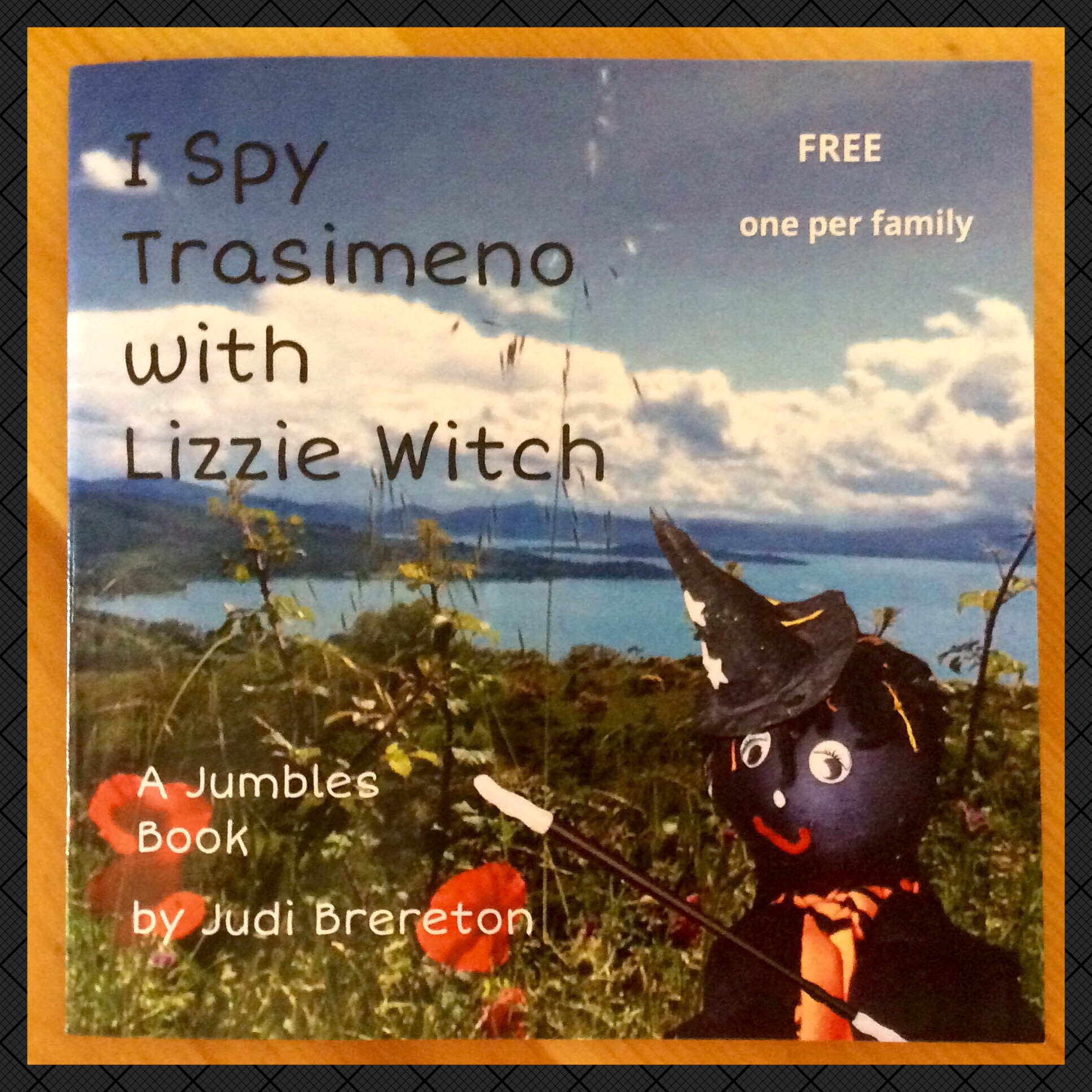
This booklet is for families with young children traveling to the area around Lake Trasimeno and Perugia. It is available in Information Centres, Hotels, Bars and Restaurants around the lake. Free. 

(Email me if you can’t find one: jumblefun@gmail.com)

The booklet is set out like a treasure trail with Lizzie Witch challenging children to find different places and objects in four of the lakeside towns and on the two islands. 

I made it remembering the wonderful family holidays we spent around the lake with our (then) two small daughters and the games we played to take their minds off the heat and to make sightseeing fun. These two small girls are now Mothers themselves but still love to return here. 

Our family holidays were always taken during August and it was always very hot! We found it much more pleasant to play and swim in the mornings and then head off to explore the little towns, villages and the two islands during the afternoons. 

Many, like Castel Rigone are set high on top of hills and are so much cooler than down by the lake. But even the lower set towns with their narrow streets and tall buildings offer lots of welcome shade.  

It has been impossible for me to include all the really beautiful and interesting places to visit. There are just too many! Just the ones that are nearest to Lake Trasimeno. 

In the Playlist ‘I Spy Trasimeno with Lizzie Witch’ you will find lots of videos taken in the places around the lake and some much further afield. Some, presented by my toys, the ‘JUMBLES’ are for young children but there are many ‘General’ ones too. 

I made this booklet initially for our grandchildren but hope that you and your children or grandchildren will have fun using it and that it will make your stay in this magical area even more enjoyable.
Judi Brereton

Email:  jumblefun@gmail.com

http://www.jumblefun.net

Website for learning resources for young children (Art, Craft, Science, Nature and Learning through Play. 
http://www.loveumbria.co.uk

Website about Umbria, it’s places, traditions and festivals. 
http://tinyurl.com/funjumbles 

Channel of programmes, videos and resources for young children
Facebook: http://www.facebook.com/jumblefun

Twitter: @JumblesThe

Colour Recognition 

Have you ever thought how confusing colours are to a child? 

We accept the many shades of red, of green, of blue but try to look at it through the eyes of a child and you will be surprised! 

We also generalise when describing colours. We say that the sky is blue. That grass is green. That roses are red. REALLY??? 

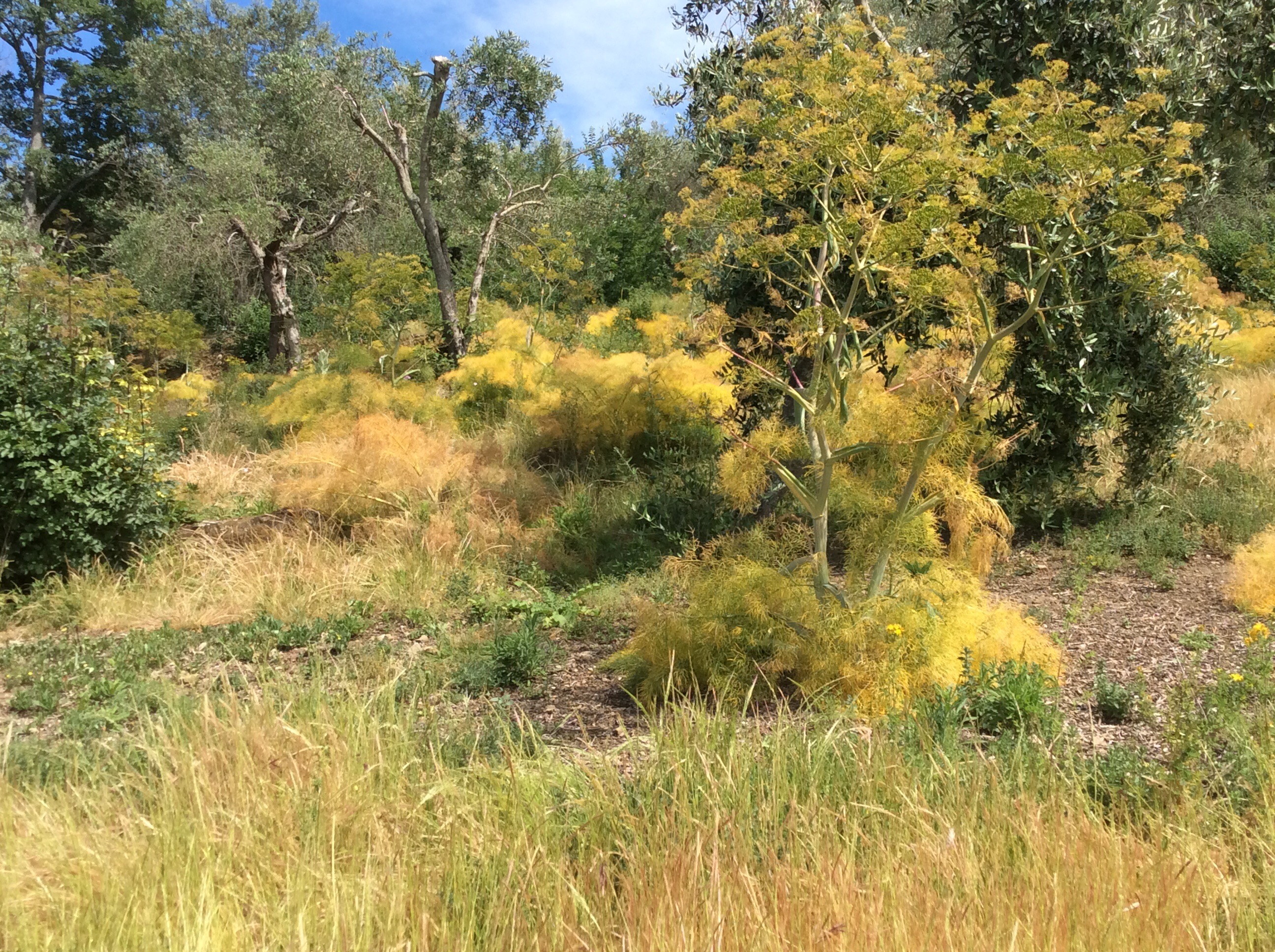
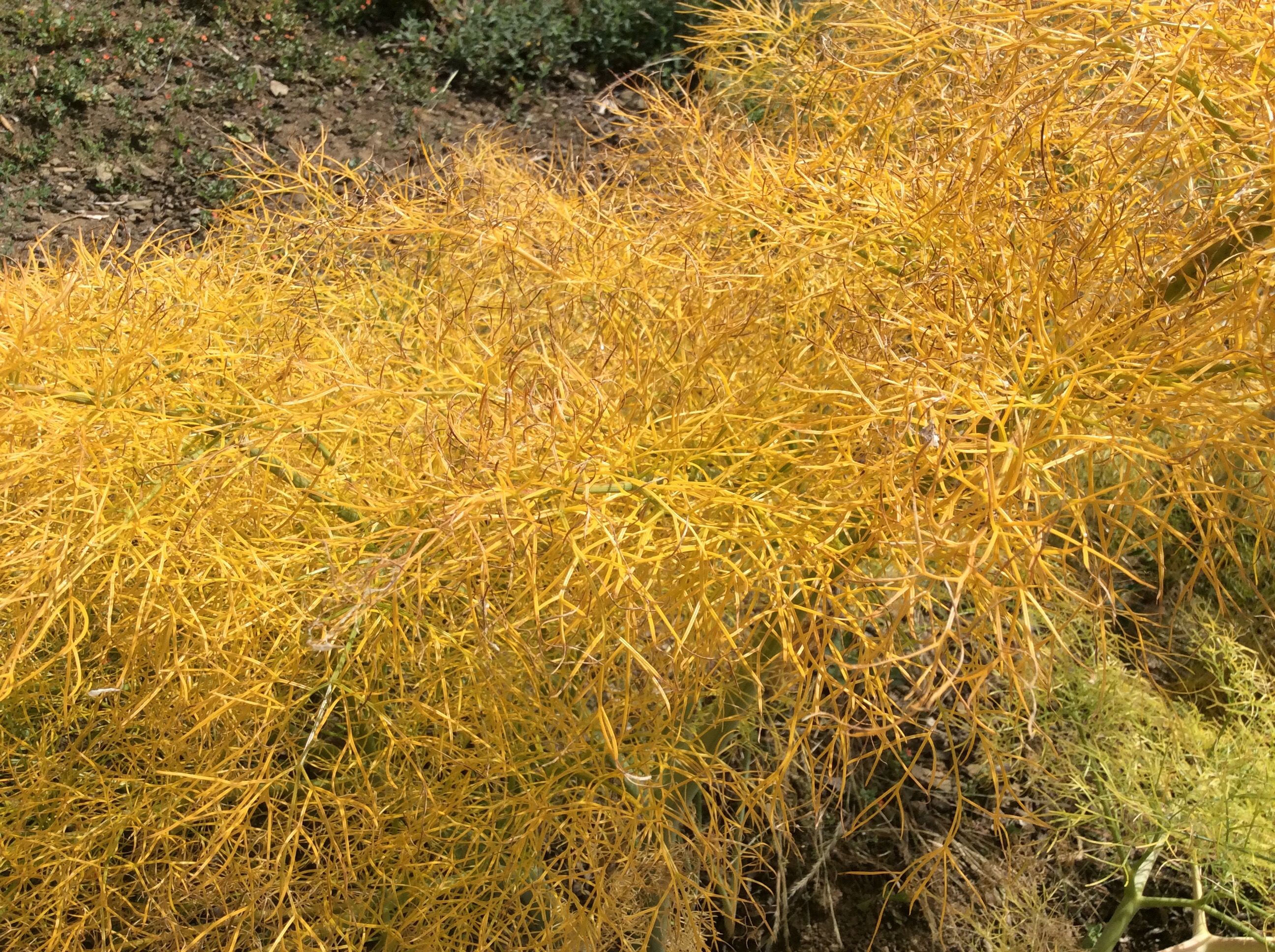
Then of course there are the very subtle differences between the colours.  For example when does green become yellow? 


When does yellow become orange? 


Yes, learning about colours is difficult. It takes time and experience.

It also requires good observational skills. 

Often a child’s experience of colour is largely confined to the toys they play with.  Toys are usually made from plastic or wood and display a solid colour but children also need to experience natural colours. Colours in nature  are hardly ever solid and so walks in the country and by the sea offer wonderful opportunities to learn about the subtle differences of colour. They also improve observational skills. 

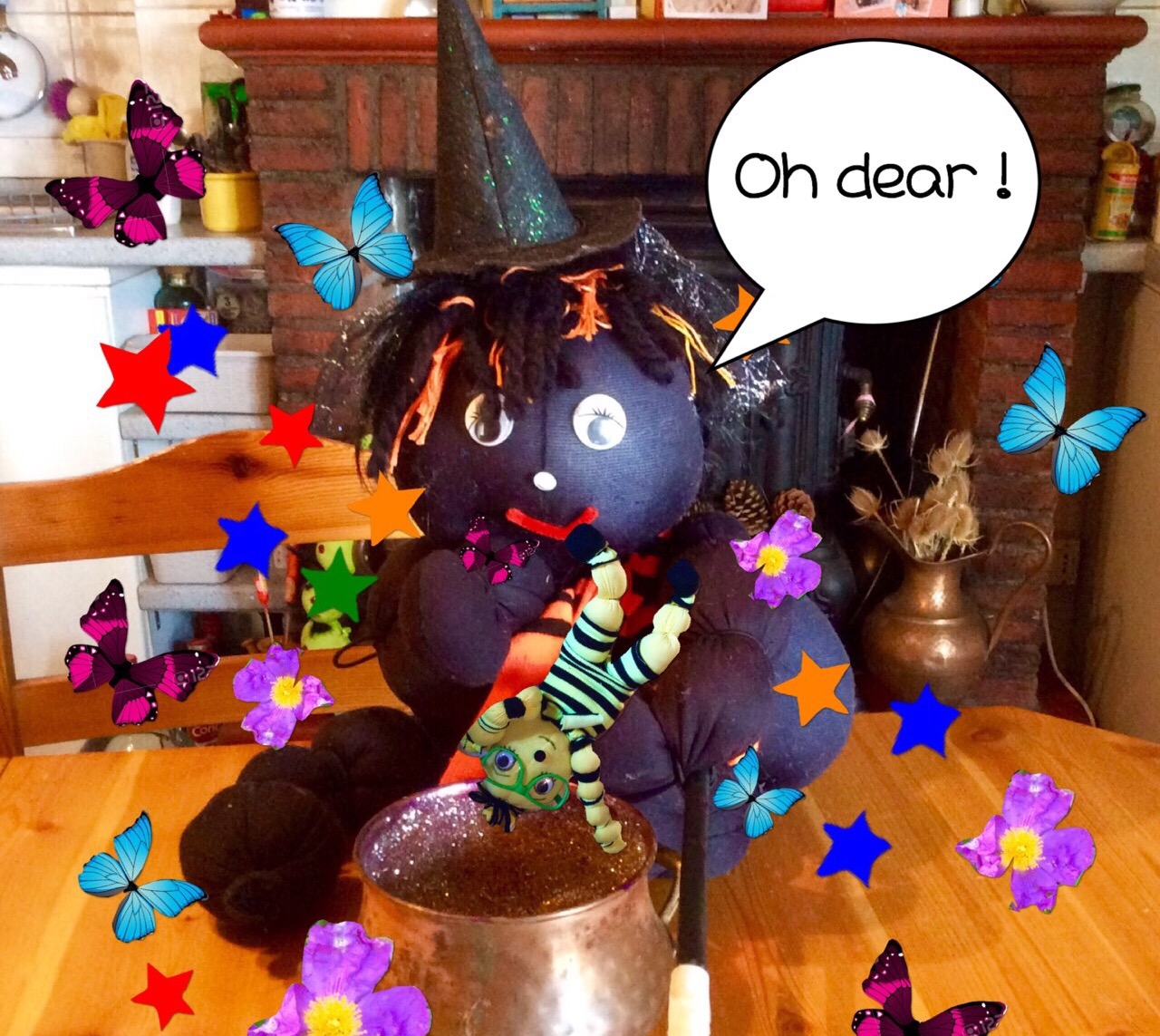
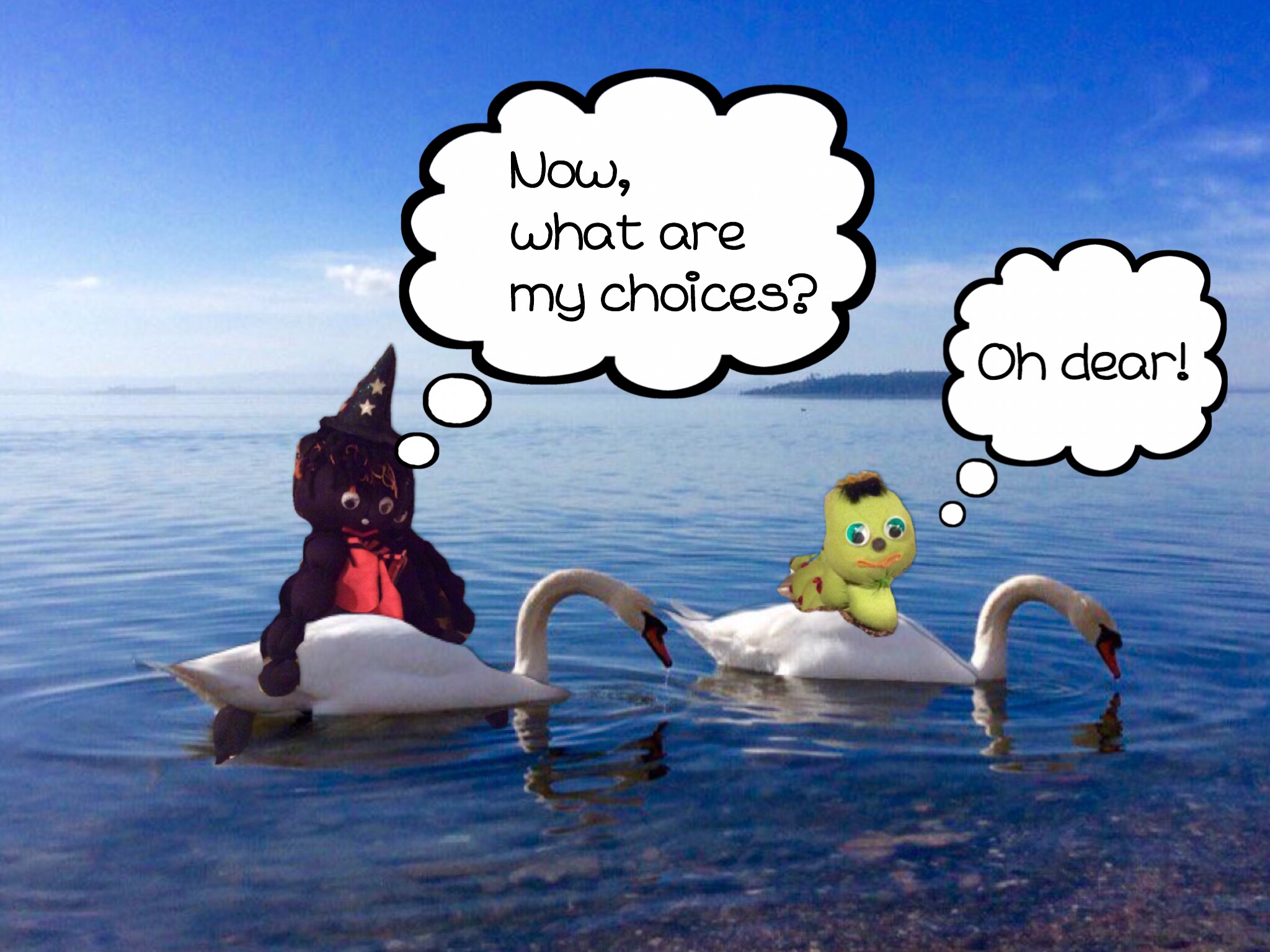
In this story for young children, ‘Jumble Tuft’ learns that sometimes things are not always as they seem and that we often miss the obvious. 

In Search of Blue

Shopping with young children 


Supermarket Shopping with young children is not easy but I found this activity  helped. In addition it improves observational skills and extends vocabulary and understanding. 

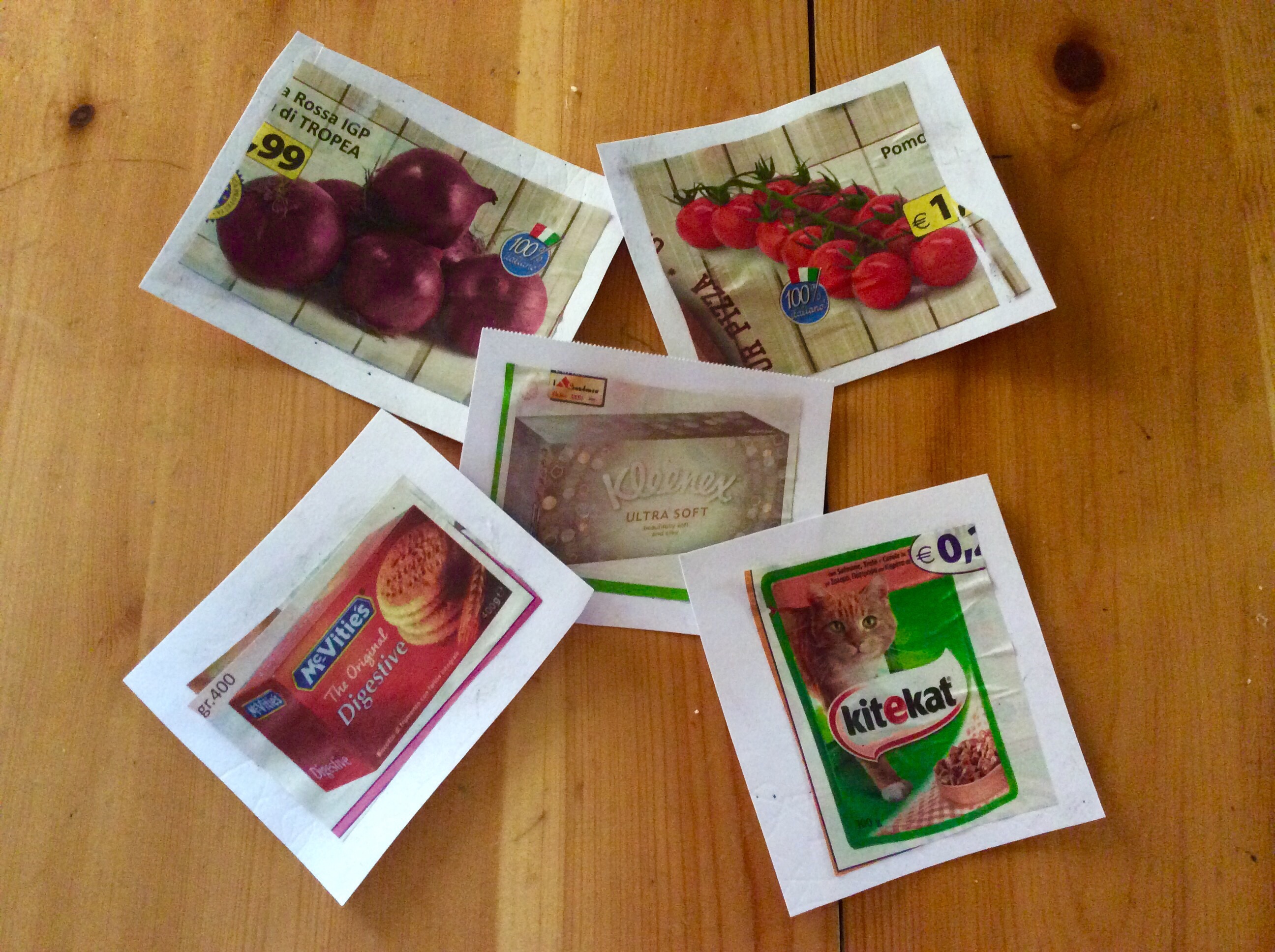
Make a card resource of all your usual supermarket items. 

Prior to going to the shops sit down with your child and make a visual card shopping list. It helps to put the cards in isle order..

As an appropriate isle is reached hand two of three of the cards to your child and challenge them to ‘spot’ the items before you do!   Keeping a score of who is winning also shows children that numbers have a practical side. That they are used in real life. 

Very important! 

It is important to establish ground  ‘rules’ before you go shopping.  The best way to do this is to roleplsy and have a few sessions of ‘going shopping’  games.  Try to include positive rather than negative statements. For example instead of saying ‘You mustn’t run’  say ‘please walk down the isles.’ 

For example:

  •  Please walk down the isles. 
  • Please stay near mummy/daddy
  • We must use out quiet voices.
  • Please wait to be told to take the item off the shelf.

Scratch Board Art


It’s fun and very compulsive. Just doodling with colour!  It also creates a lot of fine black dust so  cover the table with some newspaper. 

It’s something the youngest child will enjoy although you will probably find they have finished in five minutes whereas you have only just started! 

The general rule is, the younger the child the larger the surface and the sturdier  the tool so something like a spoon  works well as they can grip the bowl and scratch with the edge of the handle. They also need a large piece of board or thick paper and supervision although it’s much more fun and better for them if you do one yourself.

I’d recommend  trying  out different techniques and tools on small pieces of paper before launching on a masterpiece! 

Fun with Ice

Young children are fascinated with ice and will enjoy and learn from this simple activity. It’s a great opportunity to introduce some new vocabulary.   Older children will be fascinated in simply experimenting with a solid block of ice but for twos and threes there is more incentive if you freeze lots of little objects in the ice. Choose a variety. Ones that float and ones that sink. Even little chocolate eggs wrapped in foil work well. This extends the learning.

Freeze the water. Gather together some small containers and fill with salt, food colouring and water and tiny scoops and dropper or syringe. 

When you are ready turn out the ice onto a large tray. Have ready kitchen paper and cloths and protective clothing! 

Of course as soon as small children spot the objects they will want to get them out. Especially the chocolate eggs!  But it’s surprising how long ice takes to melt and young children get bored very quickly! 

That’s where the salt comes in. If salt is sprinkled on followed by food colouring then they will be able to watch while the salt carves out little rivulets in the ice.  It’s a good opportunity to talk about salt and how we sprinkle it on ice paths in the winter.  If you use liquid watercolours in place of food colouring then the variety of colours is extended and you also have a lesson in colour mixing. 

When the fascination wears off they can resort to dripping first cold water and then warm water over the ice. Again lots of opportunities for learning.  

The most important thing is that do everything themselves. Dripping on the colour, sprinkling on the salt. Don’t dictate what they should do,rather ask open ended questions. Questions that motivate. Questions that challenge. You can hide the water until they have experimented with the salt and colours! 

 It may look like a disorganised mess but they ARE learning by playing and observing. Try again in six months and you will see that they tackle the activity differently.  

Why is it important to develop a child’s creativity? 


Why is it important to develop a child’s creative thinking skills? 

Because creative thinking is probably the most important skill they will ever learn!
Developing creative thinking is about developing self esteem and self confidence. It is about developing a love of learning. Of having the means to deal with the confusion, risks and failures that are part of everyday life. The confidence to lead and to be different from the crowd.

I believe that all children are creative by nature but, unfortunately, many lose their creativity before reaching adulthood. In our education and social system where examination success and conformity reigns supreme, creativity seems to have been forgotten.

Creative thinking is vital in all areas of life. It is a skill which will give your children the edge over others in their chosen career enabling them to be the person who initiates new procedures rather than one of the majority who follow already established routines. It opens the door to new opportunities and new inventions.

It also makes a person interesting! Ensures they are never bored ! Someone who is popular socially and is capable of meaningful and long lasting relationships. 

So how do we recognise a creative thinker
A creative thinker is able to think out of the box. They are curious and questioning and not afraid of making crazy suggestions knowing that there may be many possible answers. They make mistakes and learn from these mistakes being happy to try and try again. Creative thinkers don’t feel guilty about daydreaming knowing that often this is when the best ideas are born and when they realise these new ideas they will push them to their limits. They are optimistic, have boundless energy and, despite accomplishing a great deal, still have free time to enjoy their family and hobbies. Last, but not least. They are never bored!

My  Free ‘ Jumble Fun’ learning programme aims at developing creative thinking by: 

Asking Open ended questions

The stories include open ended questions. You are encouraged to ask questions which require more than a ‘yes’ or ‘no’ answer. “What do you think we should use to make …?” “what would happen if …?” “What couid we change…..?

Making choices

The programme encourages children to make their own choices. To make decisions and try them out. If their choices fail to achieve the desired result they are encouraged to try again.  From this they learn to view making mistakes as a new beginning and not as a failure or the end of a 

Story telling and dramatic play

There are opportunities for children to make their own ‘Jumbles’ and to weave stories around them. 

Inventing

The ‘Jumble’ characters enjoy inventing things from well, …… jumble! In other words, from ordinary, everyday household items and objects they can collect in their local environment. Using the characters as inspiration and role models, children will become collectors and inventors, viewing ordinary objects as blank canvasses on which to stamp their own individuality

Fun ! 

The JUMBLES are fun and they encourage your child to have fun being creative and being active rather than passive.  

Enjoy