
Children learn best through play activities and they LOVE playing with water so here is a programme on sinking and floating plus some fun with number seven, the letter Bb and the colour blue.

Follow the link below for the programme.
Children learn best through play activities and they LOVE playing with water so here is a programme on sinking and floating plus some fun with number seven, the letter Bb and the colour blue.
Follow the link below for the programme.

Happy New Year and welcome to a new year of Jumble Fun and lots more exciting Art, Craft, Science and Creative projects.
See what’s new by watching this short trailer:

Why is science important?
Because it answers all the questions that kids ask like ‘what are clouds?’ and ‘Why is the sky blue’ and ‘Why do bubbles pop?’
Because it explains how the world works. Why earthquakes happen. Why we have thunder and lightening. Why we sprinkle salt on icy paths. Why food goes bad.
Because science helps kids learn to predict, to problem solve, to research. To persevere and be patient. They learn that not everything works first time and that you learn from your mistakes.
Because they develop their own opinions rather than being contented accepting those of others.
Through science children learn to think about the outcome of their actions. The possible results. It motivates them to problem solve. To come up with new ideas and maybe new inventions when they grow up. It also gives them a head start in the future since creative thinkers are sought after in every field of work.
Do you like science? Are you interested in science? Do you enjoy helping your child find out the scientific answers behind his questions? Can you think of fun, practical ways to do this ? If your answer is ‘No’ then it’s probably because you had a bad experience in your early years. Perhaps you didn’t enjoy science at school?
Primary school teachers have a huge responsibility. It is SO important that they are not just confident in their scientific knowledge but that they are really interested in science. If children are taught by people who don’t have a passion for a subject then unfortunately it is very likely that this negativity will be passed on to their young pupils.
Research shows that children have formed either a positive or negative opinion about science by the time they are seven or eight. Once formed its very difficult to change that opinion.
This is so sad because all children are born as creative thinkers. As scientists! They are naturally inquisitive. They want find out about the world around them. Through their play children are discovering and problem solving every minute. For them science is exciting and fun!
So what can we, as parents do? Well, it’s unlikely you will be able to change your child’s teacher! It’s also unlikely that you will be aware of how they are influencing your child. But nurturing a child’s interest in science begins well before they go to school and once established should see them through any negativity.
After all science is just part of our every day life. Opportunities arise every time you make bread or dry the clothes or make ice cubes or boil an egg or put soap in the bath or wipe condensation off the windows.
Children are never too young to investigate. Watch them playing in water, in sand, with play dough, colour mixing, building towers with bricks. Without realising they are testing volume, density, diffusion, balance, temperature, weight and so much more. This is why hands-on play is so important.
With support and guidance and motivation a pre school child will enjoy trying to find out the answers to their own questions rather than relying and trusting the answers of others.
But what if you are not interested in science or unsure how to help. If you can’t think of open ended questions or activities which will stimulate their interest?
There are plenty of books and science kits and internet sites available but beware of those which require buying specialised equipment. There is no need! You probably already have everything you require in your cupboards! Also be wary of any which simply demonstrate how to carry out an investigation and provides the answer!
Children require programmes to make them think and question. The link below will take you to a site which does just this.

Halloween is only a month away and it’s never too early to start preparing AND it’s fun!
Make this cute spider for virtually nothing …. it’s made from a small section of a pair of black tights so you could make enough for a class of kids from one pair of tights. You do need to use the thick 80% denier tights because the stuffing will show through the finer variety. It took me twenty minutes to make and it can be easily made by a child with supervision.
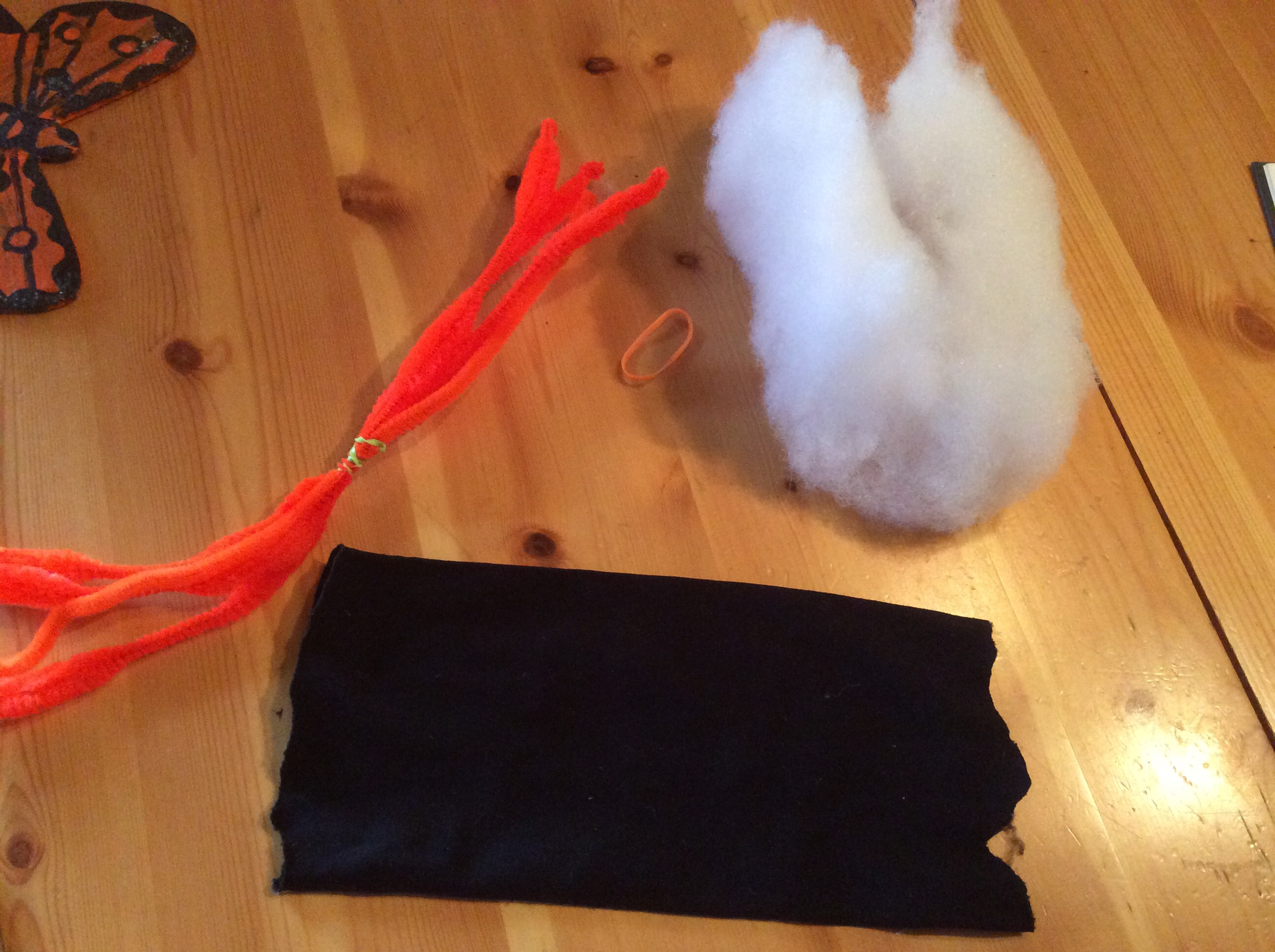
1. Cut a section off a leg off the tights and lay on the table.
2. Put an elastic band around the centre of the four pipe cleaners and then pass through the piece of tights.

3. Take a small elastic band or hair elastic and wrap it round one end tightly leaving about 1 inch of the fabric free.
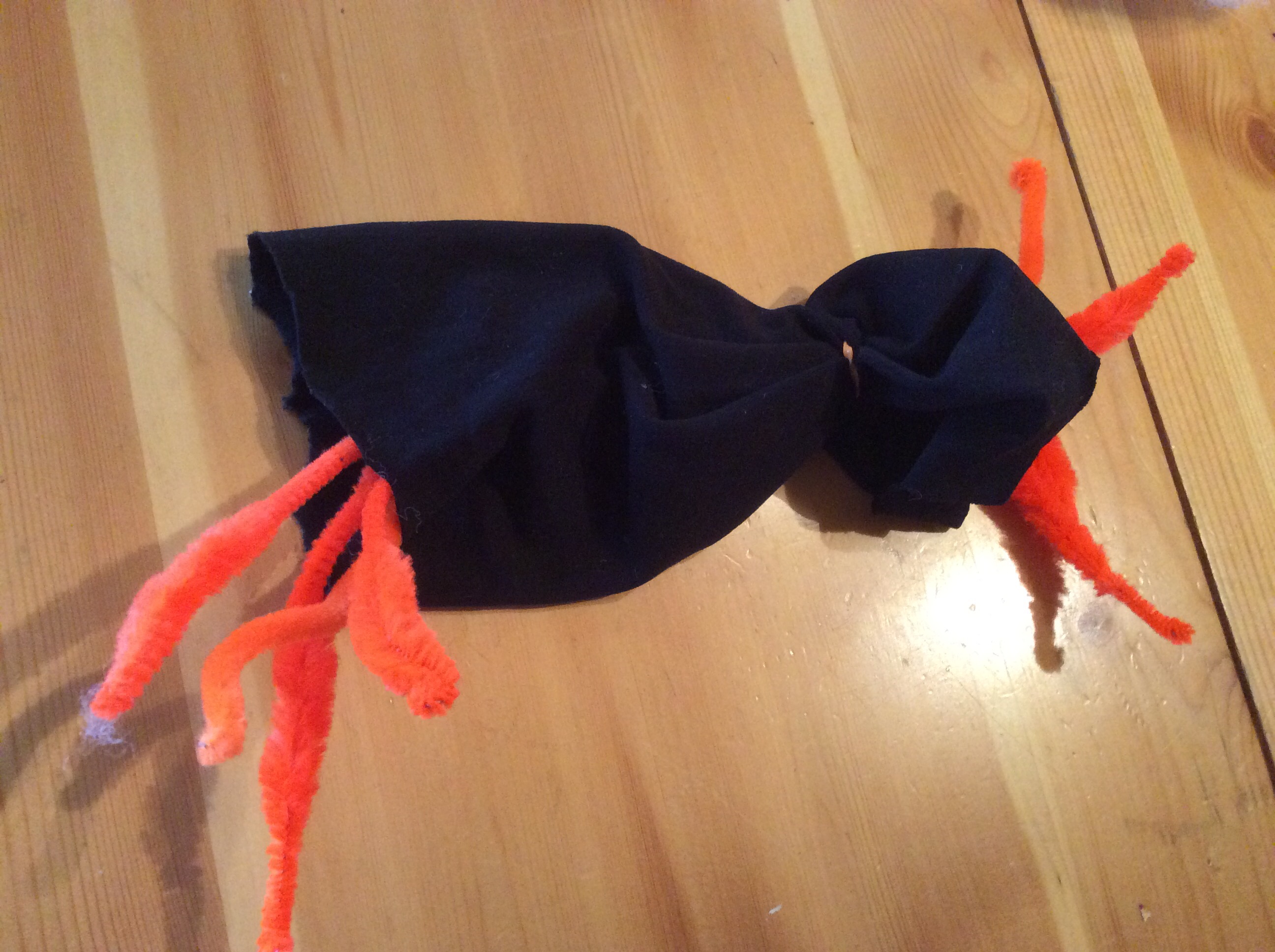
4. Take a big handful of stuffing and push into the centre of the tights.,
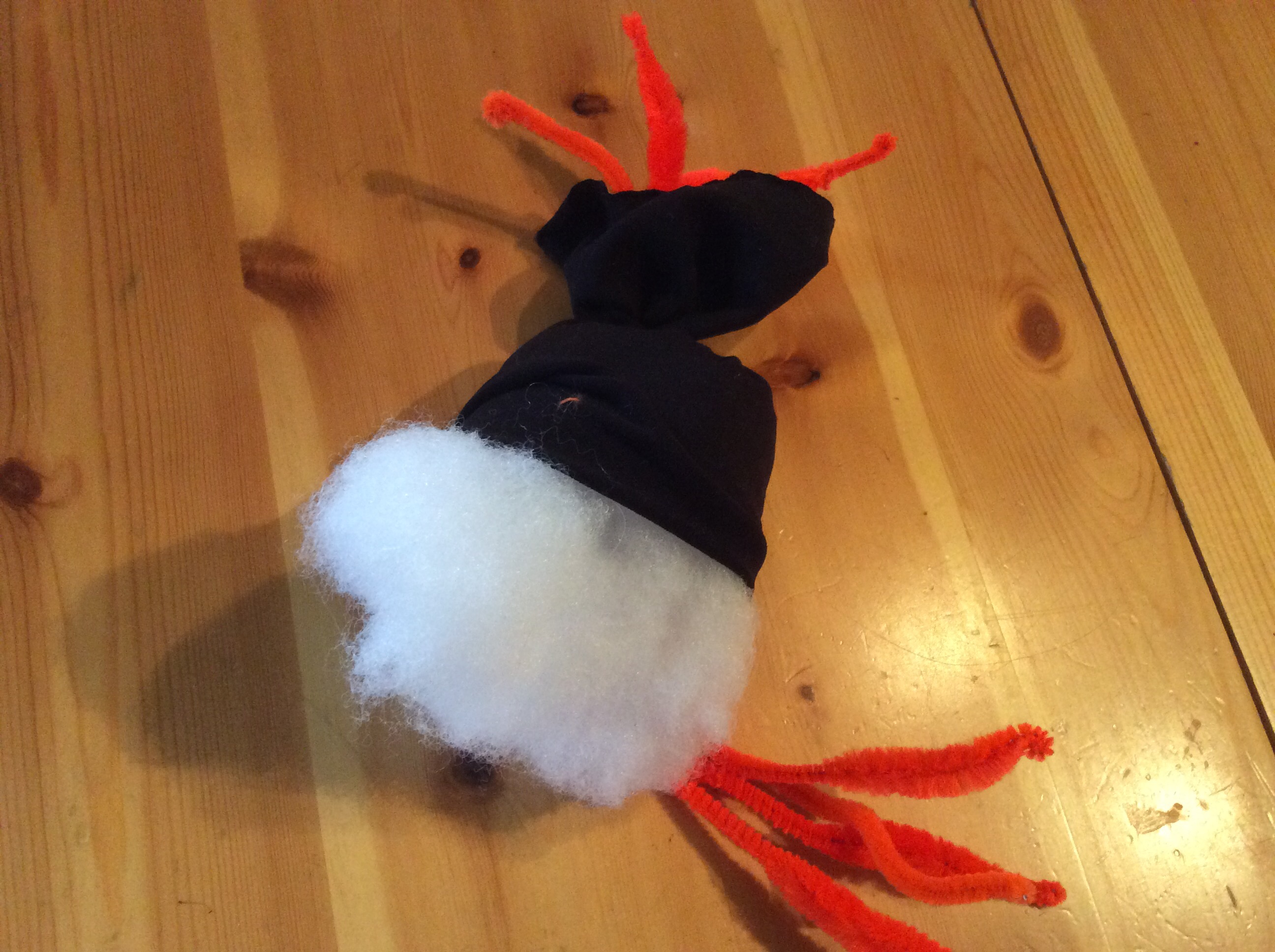
5. Secure the loose end with another elastic band or hair elastic.
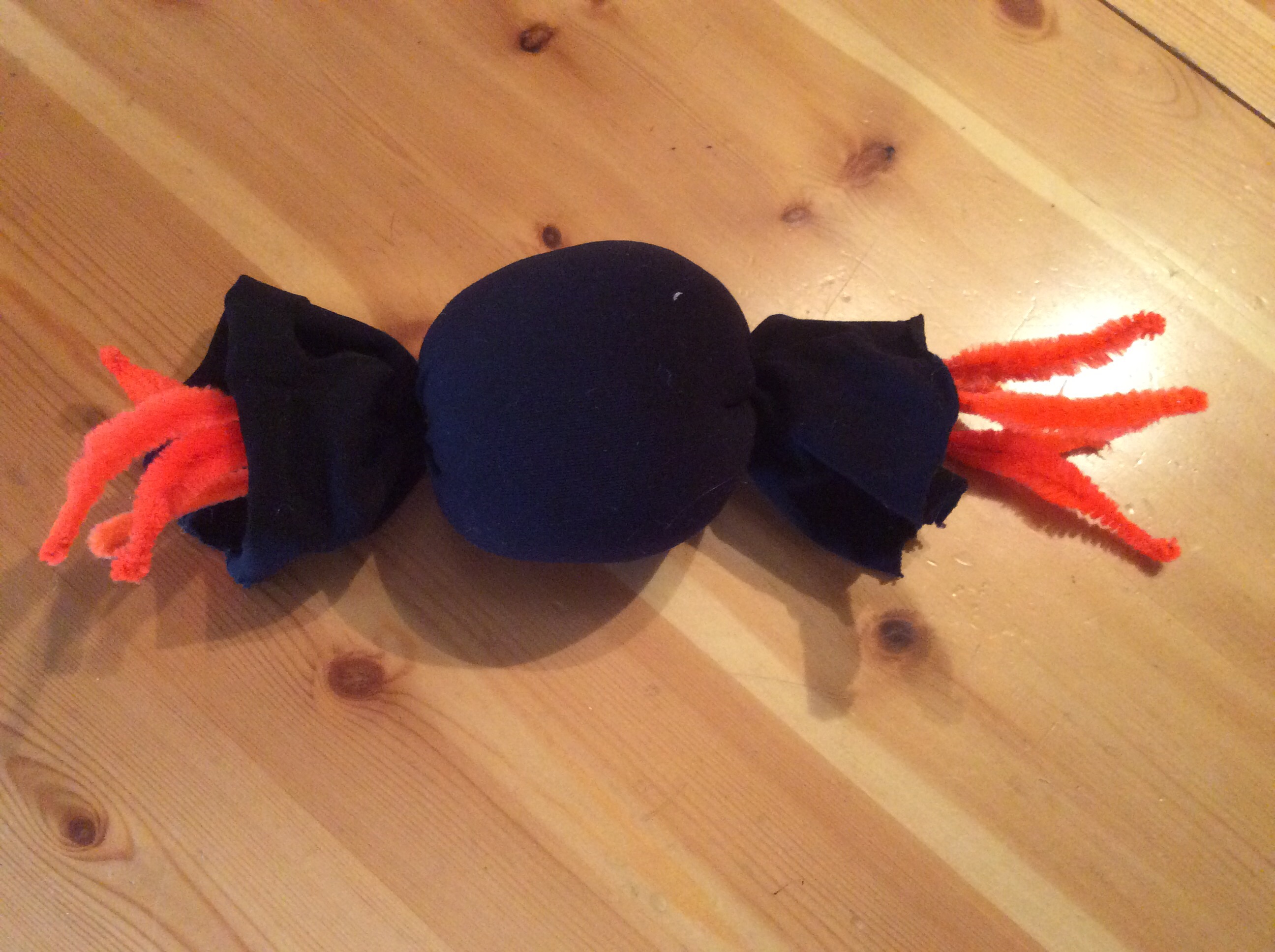
6. Trim off any excess fabric.
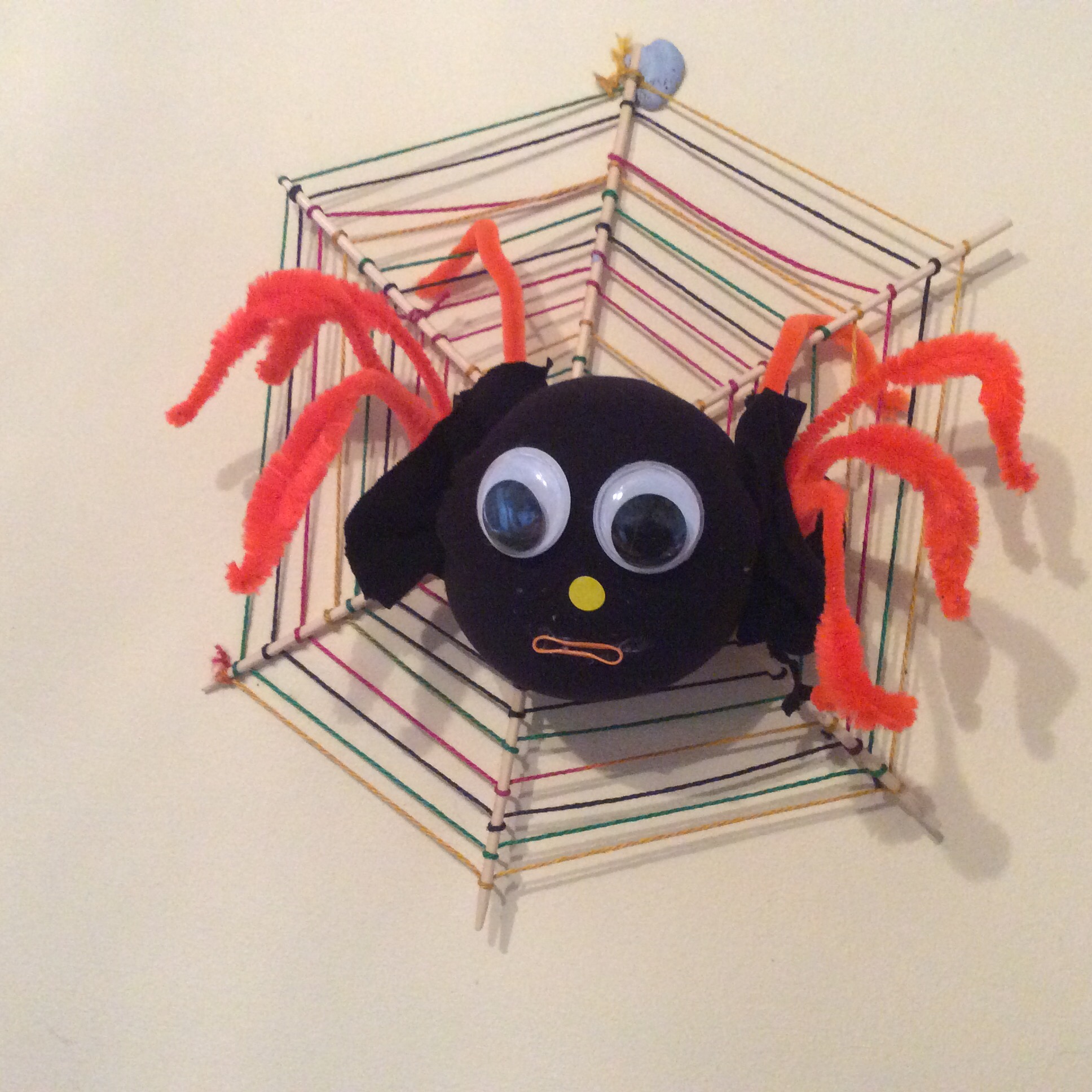
7. Glue on the eyes, Nose and mouth. Add hair if desired or stick a bit of fluffy stuffing on top.
8. That’s it!
We speak to communicate. We also enjoy speaking. We want to talk! Some more than others! It’s fun to meet friends and have a chat. We enjoy watching or listening to others talking on the TV or radio. We learn just about everything from language. All this appears obvious and yet somehow these really basic facts often appear to be have been forgotten or overlooked when learning or teaching a foreign language.
Let’s think about how a toddler learns to speak and why it wants to speak. After all for many months it only needed to cry to get what it wanted! Those were the days when it’s basic needs could be counted on one hand! Tired. Wet. Hungry. Too hot. Too cold. Once you need two hands to count then another form of communication is added and that is usually physical. So the child still cries but also starts to point or grab or mime and wave its arms about! (a bit like we do when on holiday in a foreign country). Parents frantically make guesses and are hopefully met with a smile and a nod but more often than not with violent shakings of the head or stamps of the feet or both! Just at the developmental stage when frustration is likely to win, language kicks in and LO ! We have speech communication albeit only the odd word.
A native language is learnt by listening, watching, copying. Trial and error. Although we may not actually ‘teach’ our two year old we will, without realising, correct and expand the phrases they utter. For example. A child may say, “Daddy going.” We would say, “Yes. Daddy is going to work.” Without realising , the child stores this information and builds on it.
But when a parent speaks to a child the emphasis is on getting the meaning across and not the grammar.
Imagine the frustration if a parent corrected their two year old every time it got the grammar wrong! The child would probably give up and go back to pointing and screaming! Although older children and adults don’t succumb to such tactics (although they probably feel like doing) too much emphasis on using correct grammar, verb tenses etc is a big ‘turn off’ and can stop both adults and children from communicating!
A child is like a sponge. It’s brain absorbs information about language continually. Long before if utters its first words it is absorbing not just the words but the rhythm and pattern of speech. This silent period of acquisition is essential but is this quiet period allowed when learning a second language? In my experience the answer is definitely ‘No!’ Unfortunately the older we get the less we resemble a sponge and so the longer this period of silent acquisition needs to be!
But in many language classes the expectation is to use the new language from the first lesson. To repeat. To answer questions, often in front of classmates and this leads me onto another very important obstacle to learning. Anxiety.
What happens when you ask your toddler to repeat something it has just learnt to say. We’ve all done this. One day little Molly picks up an apple and says ‘apple’ for the first time. You are naturally very excited and can’t wait for her to repeat this to everyone! When Granny and Grandad arrive you show Molly an apple and ask her to tell them what is is. Does Molly perform? Probably not!
What would happen if you put pressure on her like this every day ? If you asked her to repeat every new word or phrase to every Tom, Dick or Harry? It is likely she would become anxious and anxiety is a major killer when it comes to learning.
But isn’t this what happens in many language lessons? There is the pressure to speak. Some kids and adults are ok with this. To others it is a nightmare. They become anxious. This stops them learning. Then they feel they have failed and so it goes on in a downward spiral. Teachers need to understand that silence can be golden ! That students who don’t participate may need this silent period of acquisition and putting pressure on these students will only cause anxiety.
This doesn’t of course just apply to the teaching of language. It applies to every subject. But since language is the means of communication and we need to acquire language to communicate then it is vital that the emphasis is about getting over the meaning. Then and only then should the actual structure of language be addressed.
So what do I think is the best way to learn a language?
I think what I am going to say applies to learning everything!
Cooking Projects are often featured in my Jumble Fun English programmes because they do fulfill all these requirements.
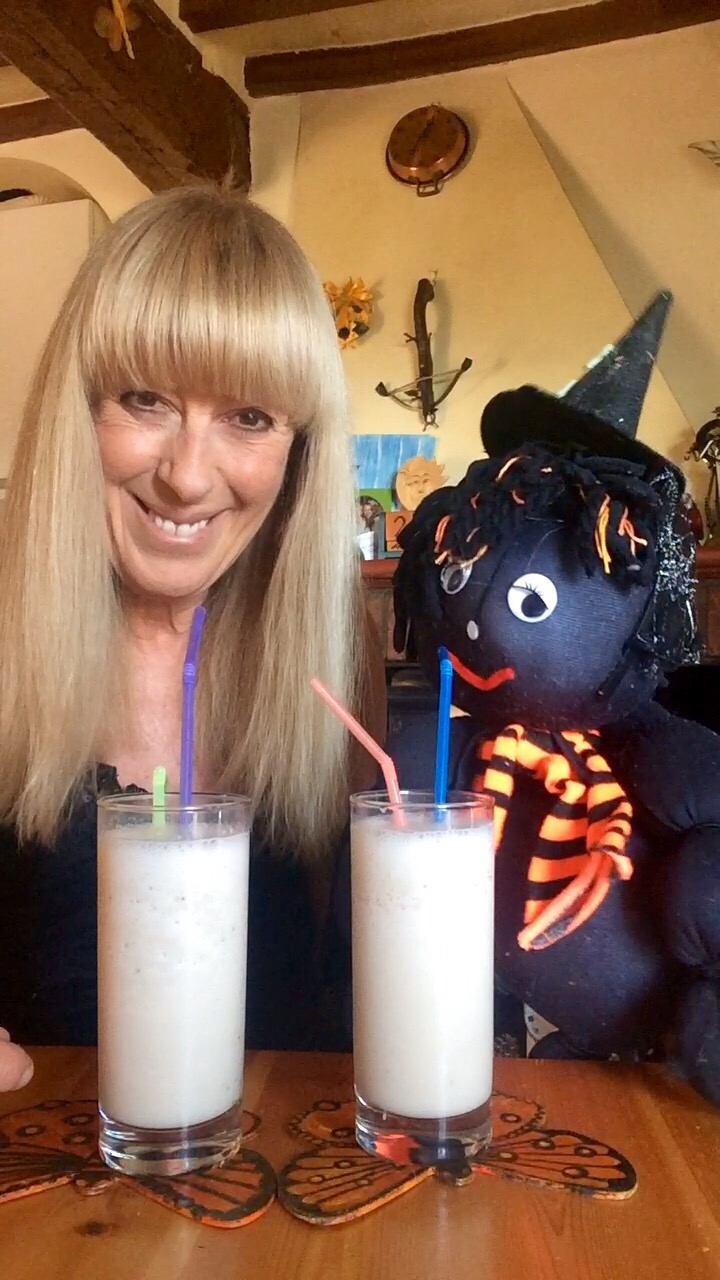
I also use art and craft projects for the same reason. They are very ‘hands on‘ activities for families to enjoy together and the new vocabulary is easy to incorporate into daily activities.
Remember children learn best by ‘doing’!
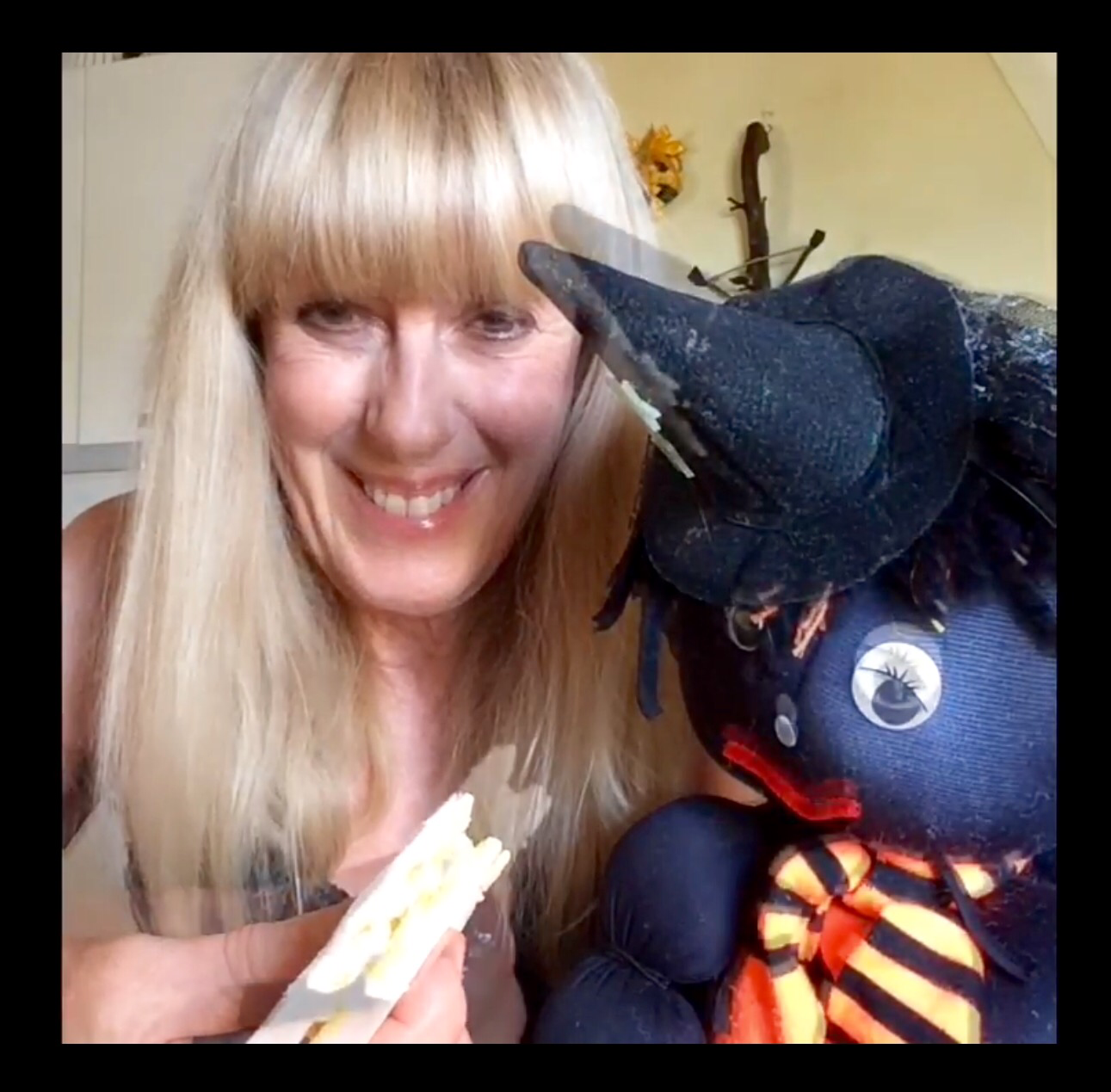
Take a look at this video English lesson which uses a cooking theme:
The Jumble Fun English Channel:

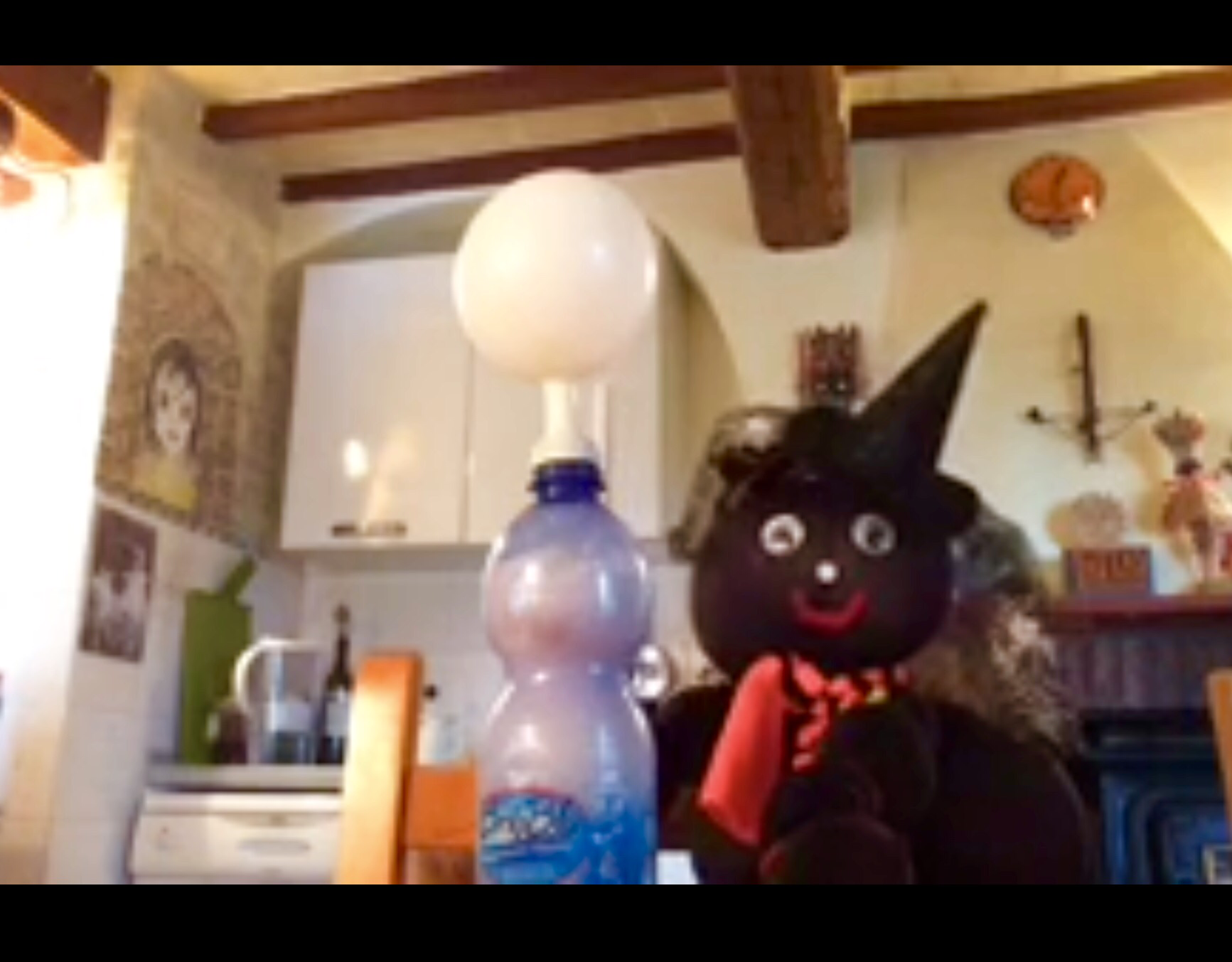
Can you predict which egg will sink? Or which egg will spin faster?
Have fun with Lizzie Witch and learn a little about the strange properties of eggs!
The Jumbles have been writing stories.
Here is the one that TuTu wrote about Mandy Melon.
Illustrated and narrated.
How are you getting on with your story?
Stuck?
Thinking of that first line for your story is often the hardest part!
Here are some of the ideas the Jumbles have thought of:
An action starter.
Bertie Banana slid down his water slide straight into ……..
Sally Strawberry was so busy listening to her music that she didn't notice the giant hole in the road and ….
Pedro Pear was practising his boxing when …..
A character starter.
Lizzie Lemon was very forgetful. She forgot birthdays. She forgot where she was going. She even forgot …
Georgie Garlic was always playing tricks on his friends. One day …….
Mushy was a very clumsy mushroom.
A question
Have you ever wondered what …..?
What do you think happens when the lights go out in ……?
Guess what Mushy Mushroom caught in his fishing net ?
What do you think Potty Potato found when he was digging his garden?
Time
One day when Matty Melon was playing table-tennis he saw ……
Yesterday was a particularly bad day for Arthur Apple.
Last night a strange thing happened in the vegetable patch .
See you on Sunday !!
It’s Lizzie Witch again !
Learn how to change the colour of flowers without using a magic spell !
 Creative Learning for Young Children