Colour Recognition 

Have you ever thought how confusing colours are to a child? 

We accept the many shades of red, of green, of blue but try to look at it through the eyes of a child and you will be surprised! 

We also generalise when describing colours. We say that the sky is blue. That grass is green. That roses are red. REALLY??? 

Then of course there are the very subtle differences between the colours.  For example when does green become yellow? 


When does yellow become orange? 


Yes, learning about colours is difficult. It takes time and experience.

It also requires good observational skills. 

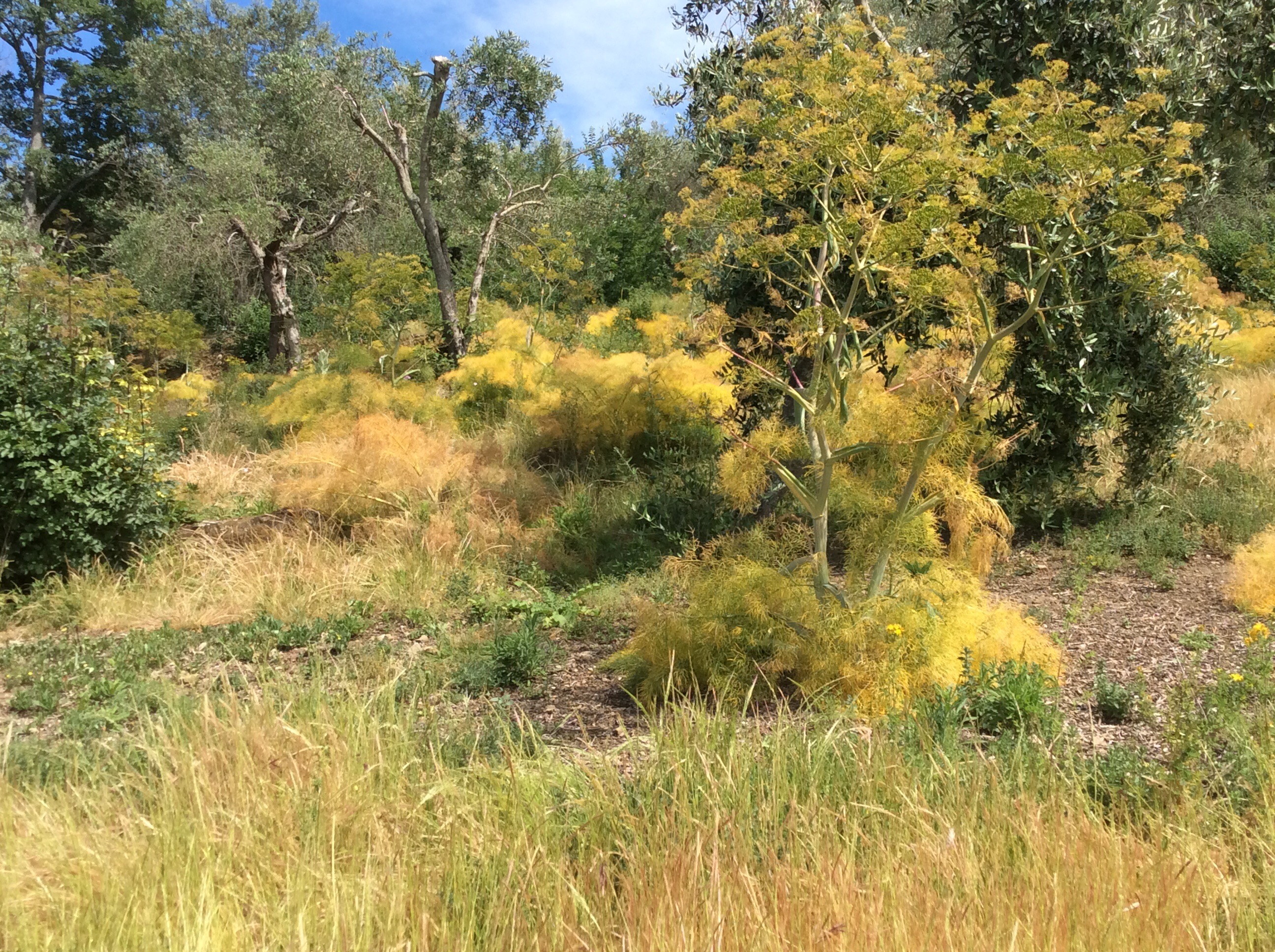
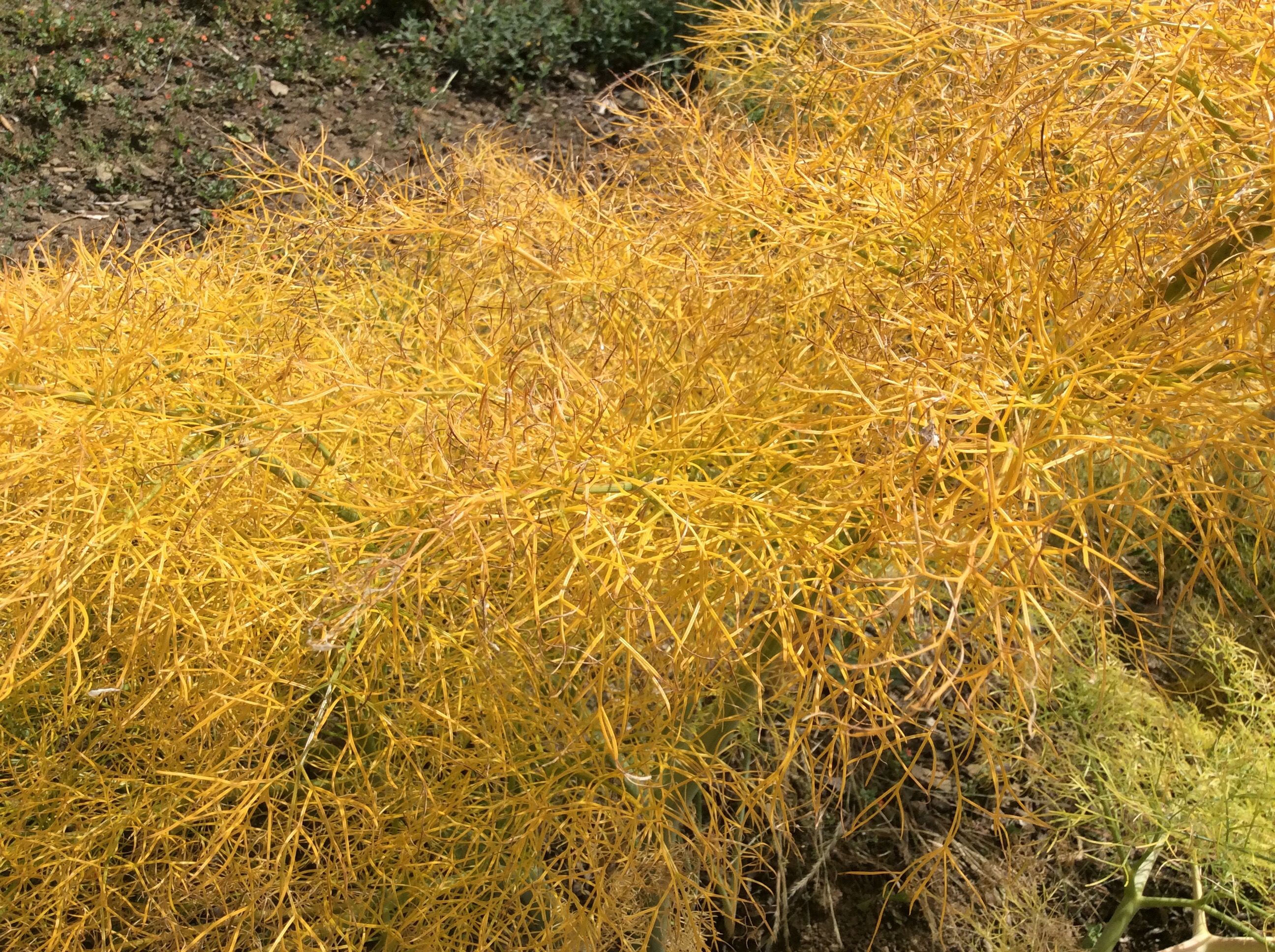
Often a child’s experience of colour is largely confined to the toys they play with.  Toys are usually made from plastic or wood and display a solid colour but children also need to experience natural colours. Colours in nature  are hardly ever solid and so walks in the country and by the sea offer wonderful opportunities to learn about the subtle differences of colour. They also improve observational skills. 

In this story for young children, ‘Jumble Tuft’ learns that sometimes things are not always as they seem and that we often miss the obvious. 

In Search of Blue

Shopping with young children 


Supermarket Shopping with young children is not easy but I found this activity  helped. In addition it improves observational skills and extends vocabulary and understanding. 

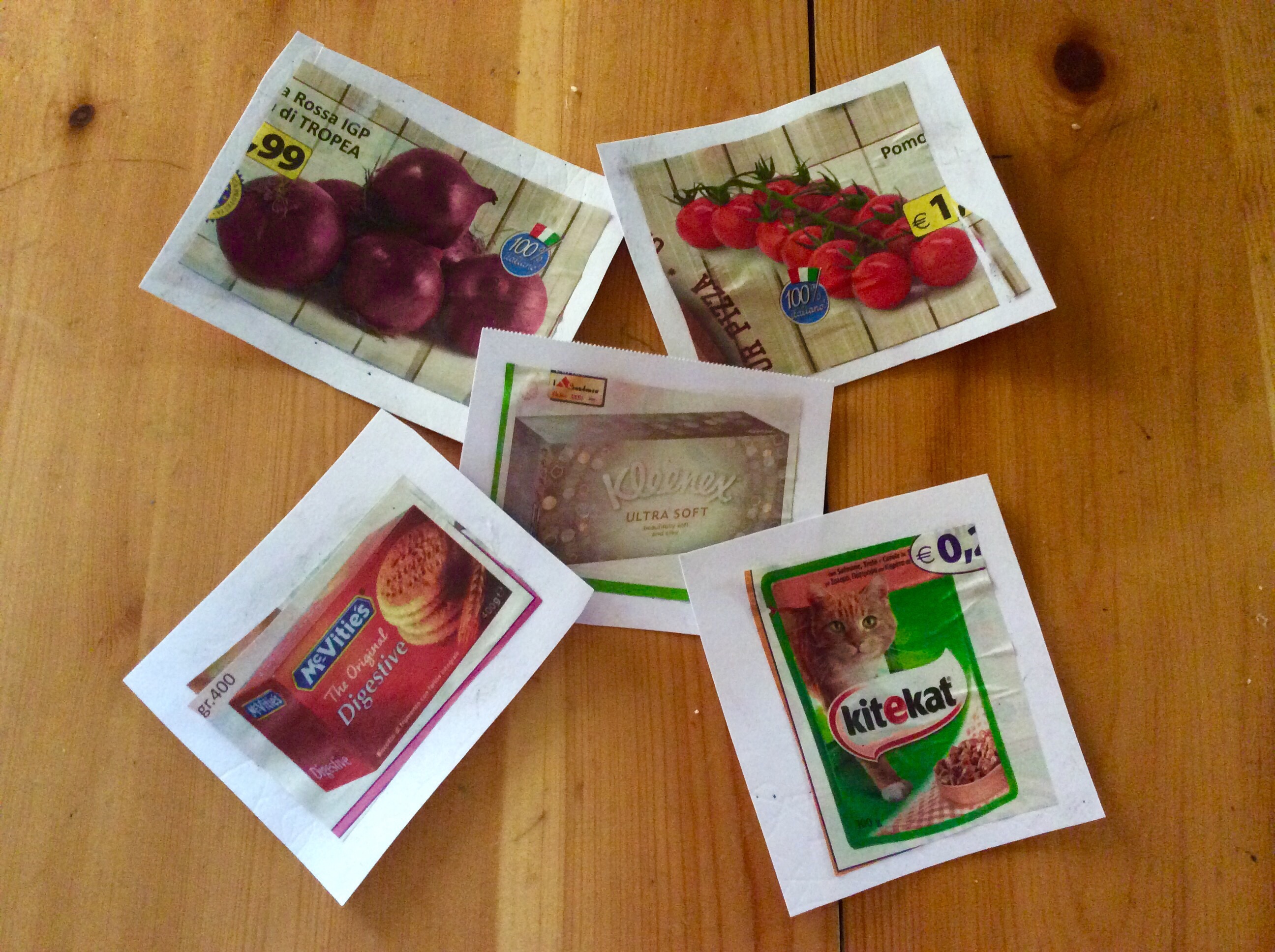
Make a card resource of all your usual supermarket items. 

Prior to going to the shops sit down with your child and make a visual card shopping list. It helps to put the cards in isle order..

As an appropriate isle is reached hand two of three of the cards to your child and challenge them to ‘spot’ the items before you do!   Keeping a score of who is winning also shows children that numbers have a practical side. That they are used in real life. 

Very important! 

It is important to establish ground  ‘rules’ before you go shopping.  The best way to do this is to roleplsy and have a few sessions of ‘going shopping’  games.  Try to include positive rather than negative statements. For example instead of saying ‘You mustn’t run’  say ‘please walk down the isles.’ 

For example:

  •  Please walk down the isles. 
  • Please stay near mummy/daddy
  • We must use out quiet voices.
  • Please wait to be told to take the item off the shelf.

Scratch Board Art


It’s fun and very compulsive. Just doodling with colour!  It also creates a lot of fine black dust so  cover the table with some newspaper. 

It’s something the youngest child will enjoy although you will probably find they have finished in five minutes whereas you have only just started! 

The general rule is, the younger the child the larger the surface and the sturdier  the tool so something like a spoon  works well as they can grip the bowl and scratch with the edge of the handle. They also need a large piece of board or thick paper and supervision although it’s much more fun and better for them if you do one yourself.

I’d recommend  trying  out different techniques and tools on small pieces of paper before launching on a masterpiece! 

Fun with Ice

Young children are fascinated with ice and will enjoy and learn from this simple activity. It’s a great opportunity to introduce some new vocabulary.   Older children will be fascinated in simply experimenting with a solid block of ice but for twos and threes there is more incentive if you freeze lots of little objects in the ice. Choose a variety. Ones that float and ones that sink. Even little chocolate eggs wrapped in foil work well. This extends the learning.

Freeze the water. Gather together some small containers and fill with salt, food colouring and water and tiny scoops and dropper or syringe. 

When you are ready turn out the ice onto a large tray. Have ready kitchen paper and cloths and protective clothing! 

Of course as soon as small children spot the objects they will want to get them out. Especially the chocolate eggs!  But it’s surprising how long ice takes to melt and young children get bored very quickly! 

That’s where the salt comes in. If salt is sprinkled on followed by food colouring then they will be able to watch while the salt carves out little rivulets in the ice.  It’s a good opportunity to talk about salt and how we sprinkle it on ice paths in the winter.  If you use liquid watercolours in place of food colouring then the variety of colours is extended and you also have a lesson in colour mixing. 

When the fascination wears off they can resort to dripping first cold water and then warm water over the ice. Again lots of opportunities for learning.  

The most important thing is that do everything themselves. Dripping on the colour, sprinkling on the salt. Don’t dictate what they should do,rather ask open ended questions. Questions that motivate. Questions that challenge. You can hide the water until they have experimented with the salt and colours! 

 It may look like a disorganised mess but they ARE learning by playing and observing. Try again in six months and you will see that they tackle the activity differently.  

Why is science important?

Why?


Because young children are naturally curious and science investigations stimulate this natural curiosity.

Because science answers all those tricky questions about the world around them.

Because it encourages children to problem solve. To be creative thinkers. To develop a love of learning.

Because it motivates children to be active not passive.

Because by engaging in science investigations children learn to challenge what they see and hear rather just accepting.

Because they learn that making mistakes is the way to learn.

Because children learn best through doing. Through play.

Because it’s FUN!

You don’t need to be a teacher or have a science degree to engage in science investigations. ‘ Jumble Fun’ has made Science easy and fun.

Resources have been kept to a minimum and can usually be found in your kitchen or bathroom. We suggest watching a programme yourself prior to viewing with your child then you can easily gather the resources together in a bag

The short programmes not only show fun science investigations but suggest ways to adapt the investigation plus extension activities plus it’s all free.

        Click here to go to the FUN SCIENCE playlist

It’s FUN learning at JUMBLE HOUSE

It IS fun learning at JUMBLE HOUSE! There are new learning  activities every week for children from two to seven plus lots of Art and Craft and Science projects for all ages.

The resources are all free and I am very happy for them to be used in nurseries and schools (a nice comment and a ‘follow’ on FaceBook being appreciated in return!)

My Channel has over 150 short videos aimed at motivating children to be proactive rather than passive.  To develop a child’s natural creativity and to encourage a love of learning.

            The Jumble Fun YouTube Channel
The videos are free to watch and  to share but again, if you are using them please subscribe to my channel or comment or drop me an email. 

I love Italy and now spend most of the year there so for Italian children I have set up a separate website and channel containing fun interactive English lessons. 

               Lezioni D’Inglese per Bambini e Ragazzi

Delicious Milk Loaf 


I love really rough, dark, whole grain bread oozing seeds and nuts but nowadays either because of age or IBS, or probably both, my system does NOT like it and objects strongly. 

Unfortunately, most of the foods IT likes, I do NOT! 

So,  I’ve come up with a white Loaf which both of us can enjoy.  ( family and friends with ‘normal uncomplaining guts’ like it as well! ) 


It’s light, moist, tasty and keeps really well. It actually brings to mind the bread Heidi used to take to her Granma who found the  rough brown bread difficult to chew!   But, if you haven’t read HEIDI then you won’t know what I’m talking about! If you have, then you are probably as old as me! 

I use strong white flour and I like to crumble a Vitamin C (ascorbico acid) tablet into the flour as it speeds up the process but not absolutely necessary. I also always use fresh yeast. I just love to watch it frothing and the smell is divine. 

The olive oil should be Extra Virgin and allow three nice big tablespoons. 

The grated carrot seems odd I know but it adds moisture and colour and taste (but it definitely does NOT taste of carrot. Trust me! )

We don’t have an oven at Jumble House so I do have to bake the bread in the Breadmaker but that’s all I use it for as I like to knead the dough myself. If I had an oven I would definitely use that to bake the bread because the crust is infinitely better plus you can make interestingly shaped loaves and cobs and bread rolls.  

Anything else ….. only to say that kids love bread making and it is so good for their coordination and strengthens those little hand muscles in preparation for years of writing!  Real dough is better than playdough cause you can eat the results! White dough is also easier to manipulate than brown.  Get them making little plaited rolls and cobs and all kinds of animal shapes. 

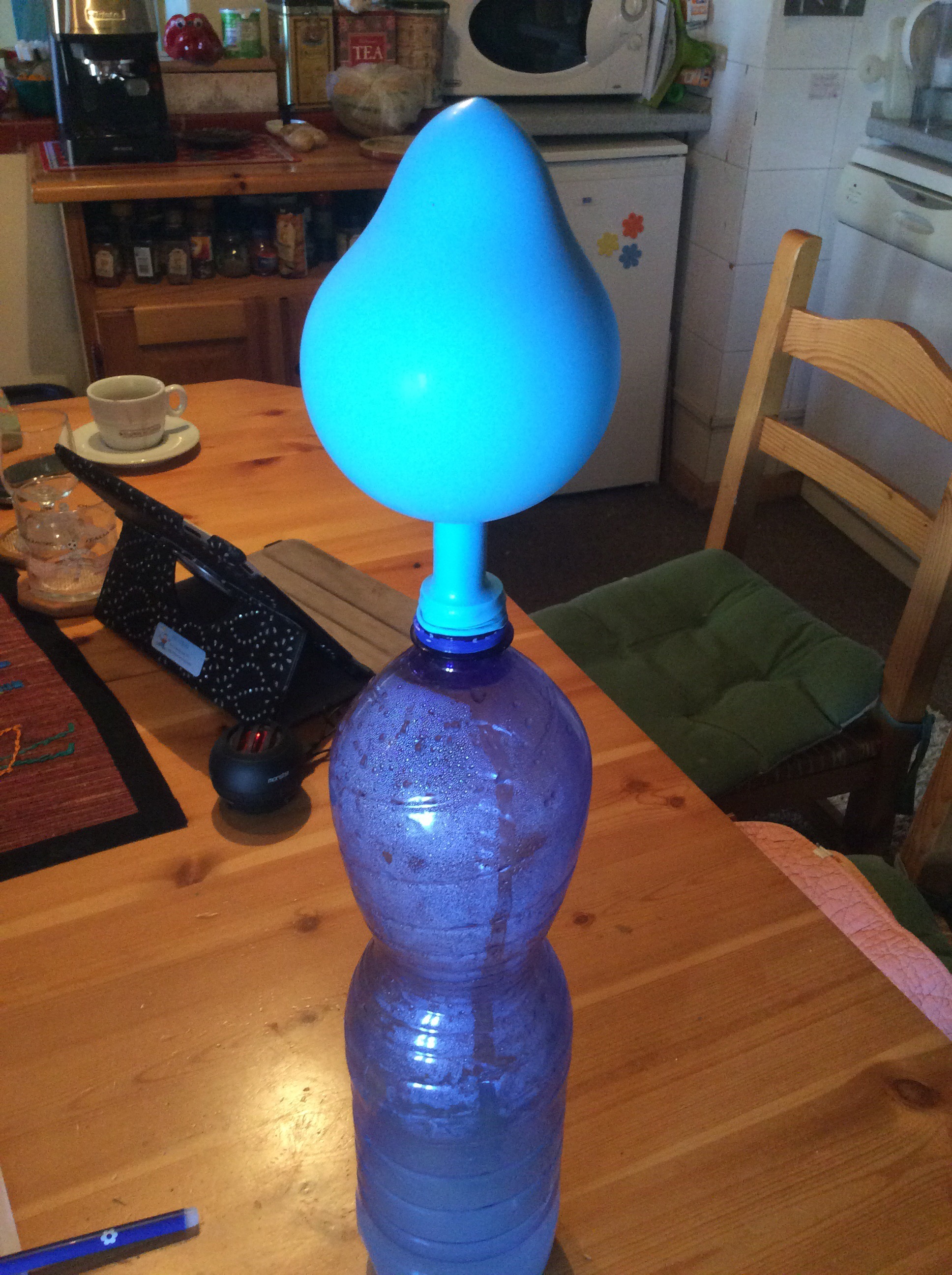
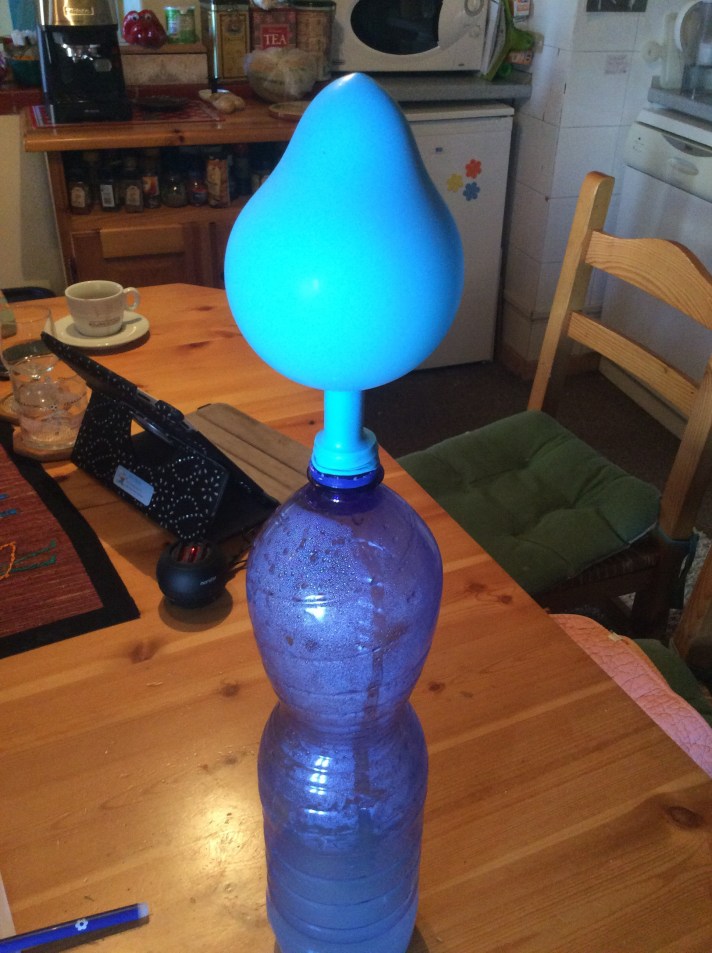
Since I buy fresh yeast in twin packs I sometimes use the second cube mixed with sugar and warm water to blow up a balloon!  (The mixture poured into a plastic water bottle with the balloon over the neck).   It’s a good way of demonstrating just how and why the bread is rising and what makes those little air pockets.  There’s a fun video for kids on my channel showing this. Just click on the link below: 

Link to video for children. All about yeast. Shows how to blow up a balloon with yeast.
An afternoon on Isola Maggiore 

Onions! Rooting veg. FUN


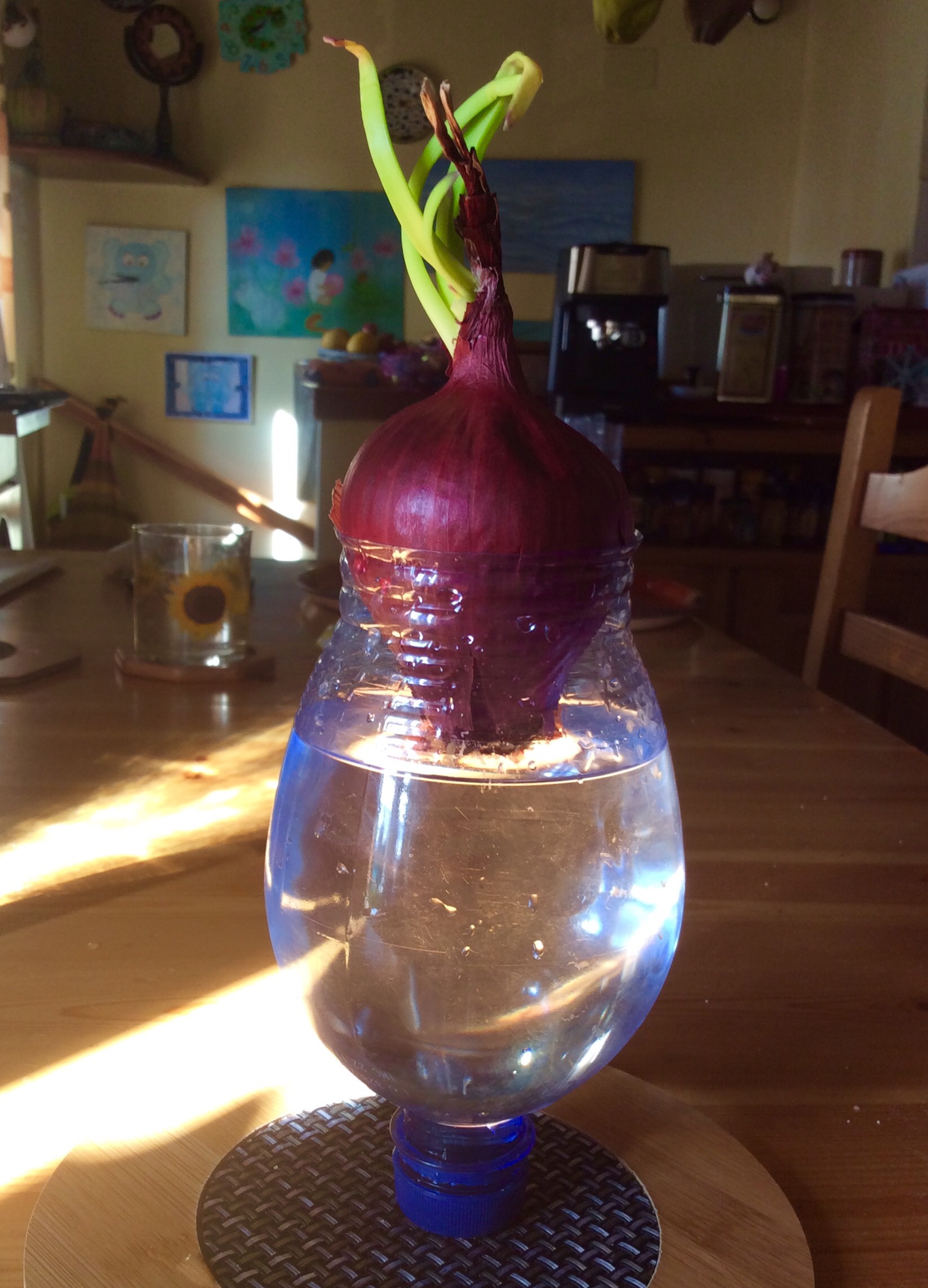
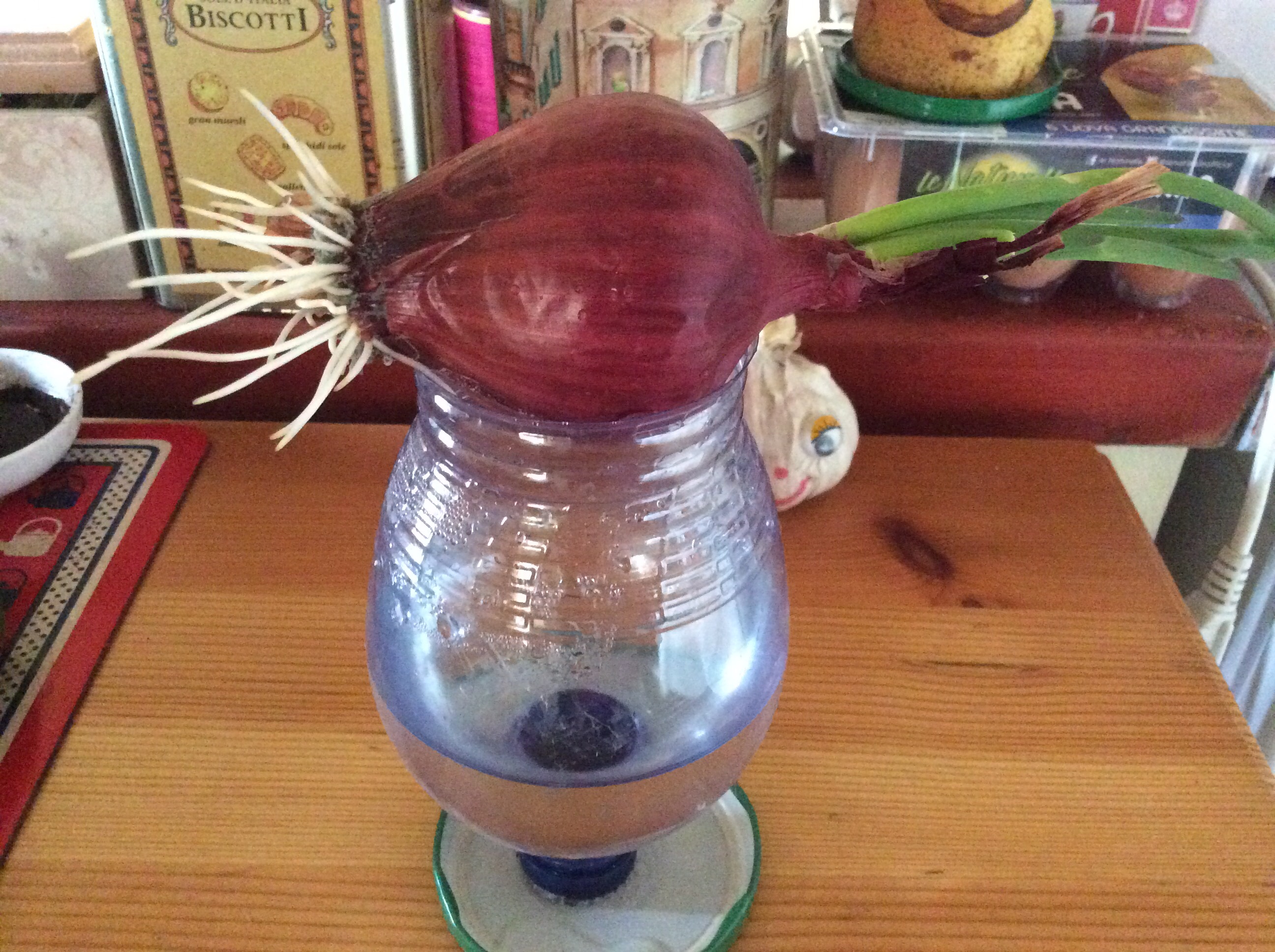
Four days ago we made some little rooting containers from plastic water bottle tops stuck onto lids to keep them stable. They work really well!  We put a red onion in one positioned so the base was nearly touching the water. 

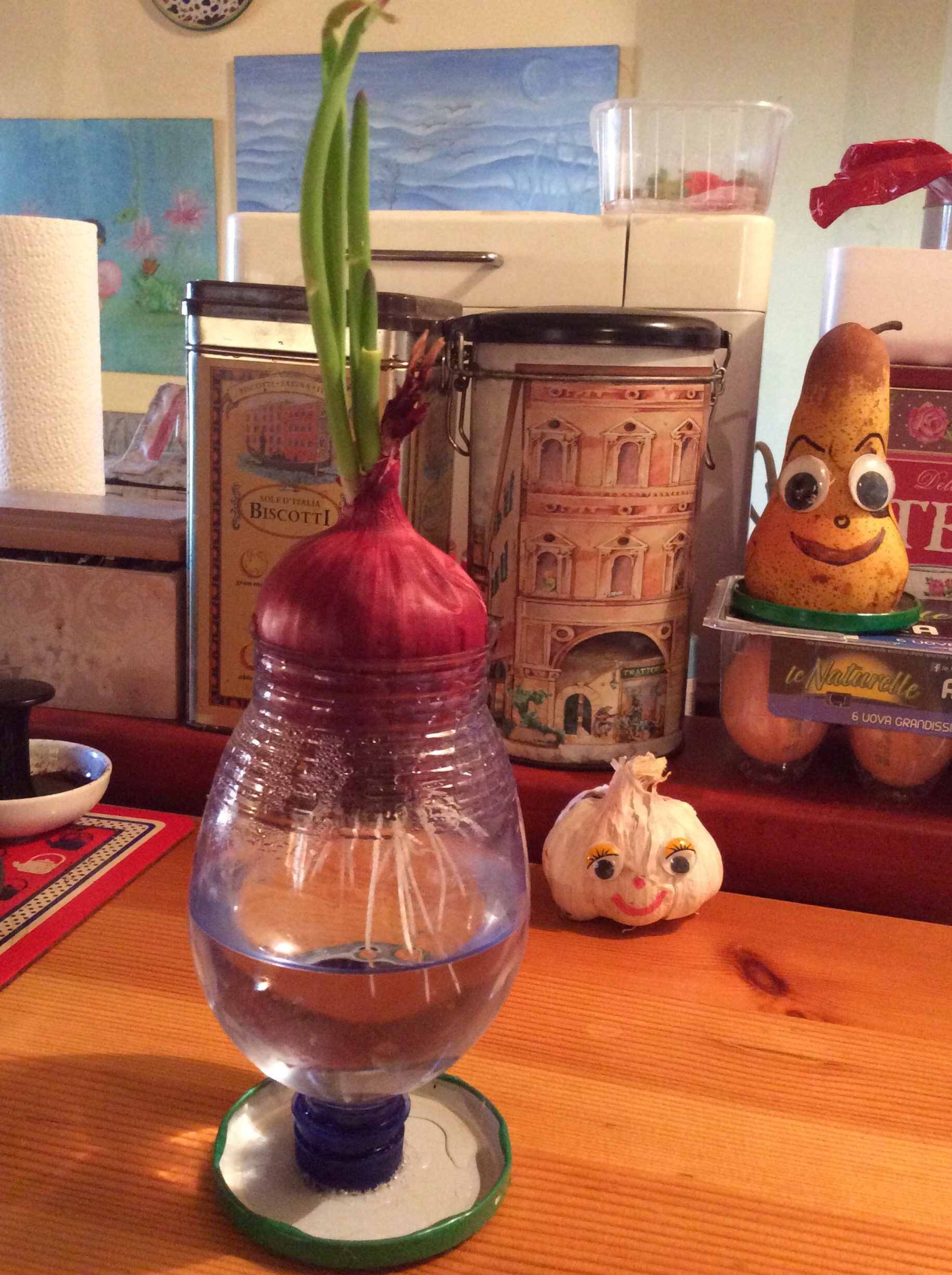
Four days later and it looks like this! 


Children of all ages will learn such a lot from just this simple activity but let them find out for themselves by observation and careful questioning. Get them to predict. To investigate. Suggest their own experiments. How far this goes depends on the developmental stage of the child but don’t underestimate. Children are capable of  understanding  and absorbing a lot more than we think! 

Take photos or draw the vegetables at different stages. Take measurements of the shoot and the root and the girth of the onion bulb at the beginnng and every three or four days. Make charts to show the difference.  

Compare the growth of the plant with our growth. What we need to grow. Where we get food from. Where does the food for the plant come from? 
Ask questions and use the question words. What? Where? Why? How? 

What’s happened to the water? The roots? The shoots? The onion bulb ? 

Will this work with other veg.?

With pieces of veg? 

What will happen if we root two of the same veg. but positioned differently.

Ask them to look carefully at the veg. first and to predict where the roots will grow. 

Why do plants grow roots? 

If you turn the onion/potato etc round what will happen to the roots? Try and see. 

Why are roots white and shoots green? 

Do shoots always grow up and roots down? How can we find out? 

Why has the bulb shrunk? 

Now try this! 


Have fun! 

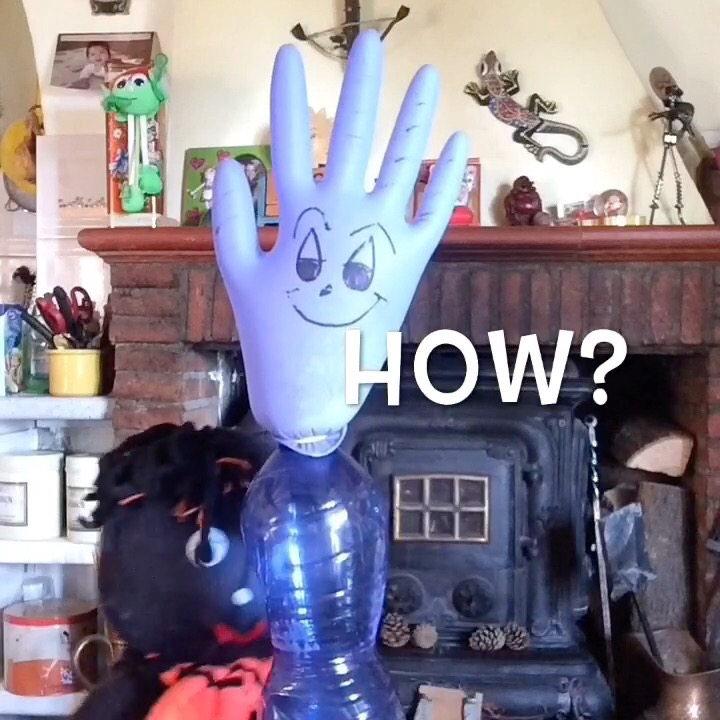
The HAND Science Challenge


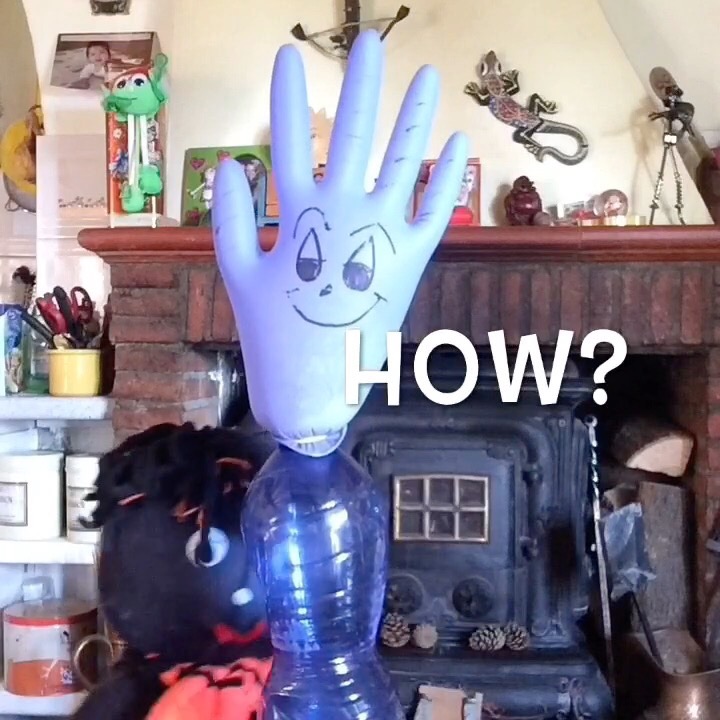
So how does Lizzie make that glove blow up? Watch the video above to take the challenge. 

Did you guess how Lizzie blew up the glove? 

Watch the  video below to see if you were correct!