Fine Motor Skills 

What are Fine Motor Skills ? 

The term Fine Motor Skills refers to the use and control of all the small movements we do with our hands and fingers (and feet and toes). A new baby has very little control of its hands and fingers but by about five or six months it is able to grasp an object with its whole hand.  At twelve months it will be able to pick up small objects using its thumb and index finger. This is the stage when babies repeatedly  ‘practice’ (often to our annoyance!) picking things up and dropping them. By the age of four most children can use a crayon, stack shapes, turn over pages and cut with scissors.

All these actions require the use of muscles in our hands and fingers.  Generally speaking the stronger the muscles the better are our fine motor skills and as our motor skills develop so does our hand and eye coordination.

In the Kitchen 
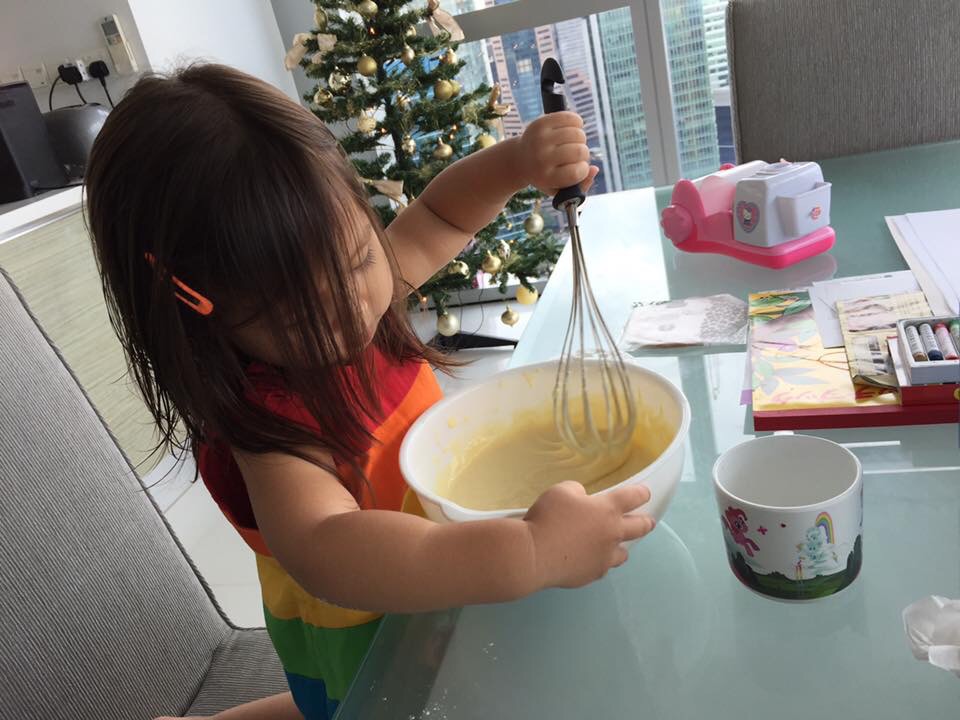
There are lots of activities which help to strengthen the muscles of the hand and fingers and also help with coordination and some of the easiest and most fun happen in the kitchen. Children love helping to cook and bake and it is a great way for them to strengthen their hand muscles in addition to absorbing many basic mathematical and scientific concepts.

If you think of all the different ways we use our hands when preparing food. Whisking cream, kneading dough, stirring soup, rolling pastry, spreading butter. The list is endless.
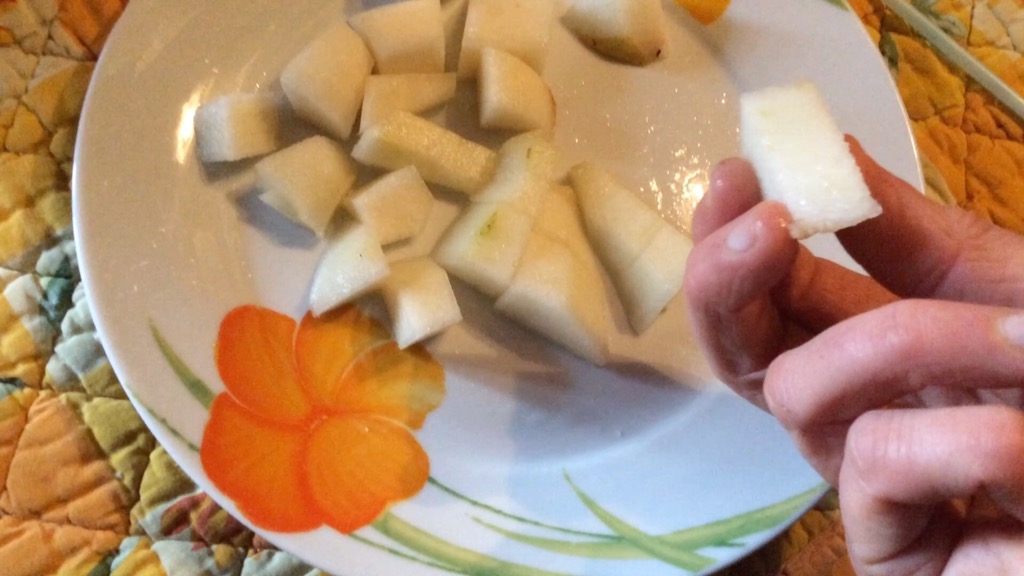
Even picking up small pieces of food involves fine motor skills and the more practice toddlers have the stronger their muscles will become. But we do need to ensure that we demonstrate the correct ‘tripod’ grip. Once children get into a habit of picking things up the wrong way, for example in the fist, it is difficult to correct. 

There are some very ‘fun’ activities involving food. 
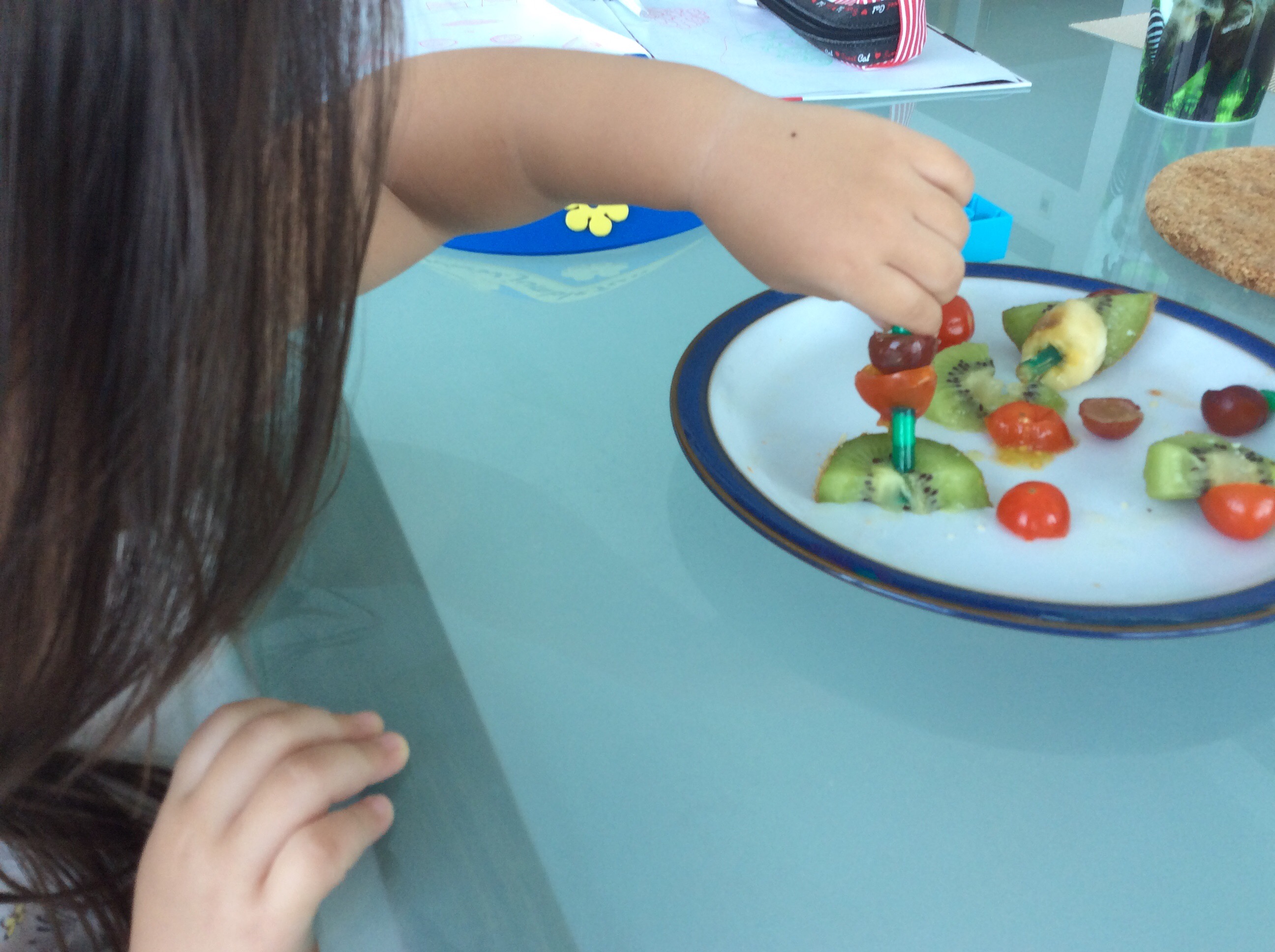

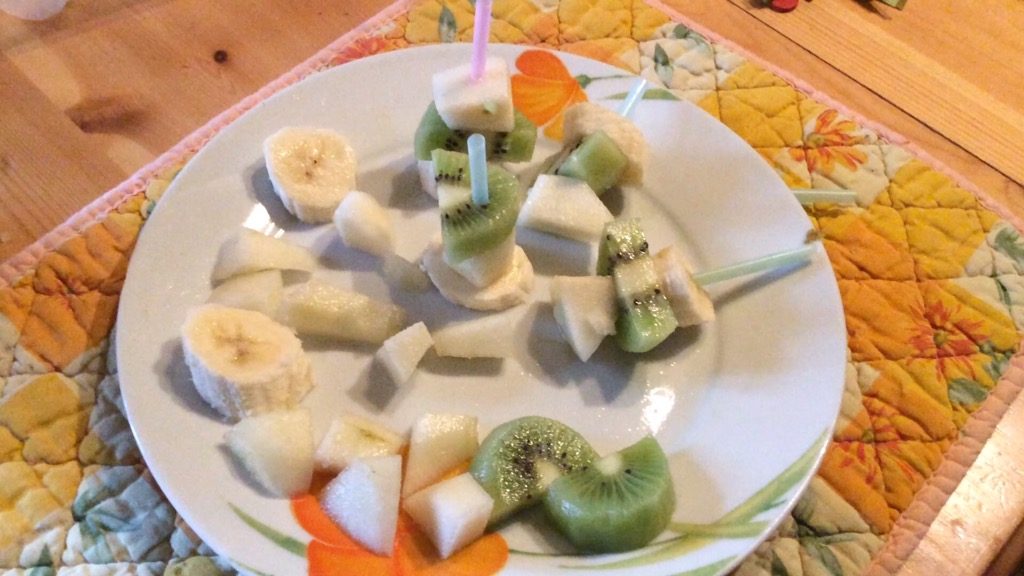
Why not make mini fruit and veg or cheese kebabs using straws. The fruit needs to be firm rather than over ripe. Pears, firm bananas and kiwi, apple, Melon and avocado work well and half grapes or cherries or tomatoes can be used as the end pieces. 

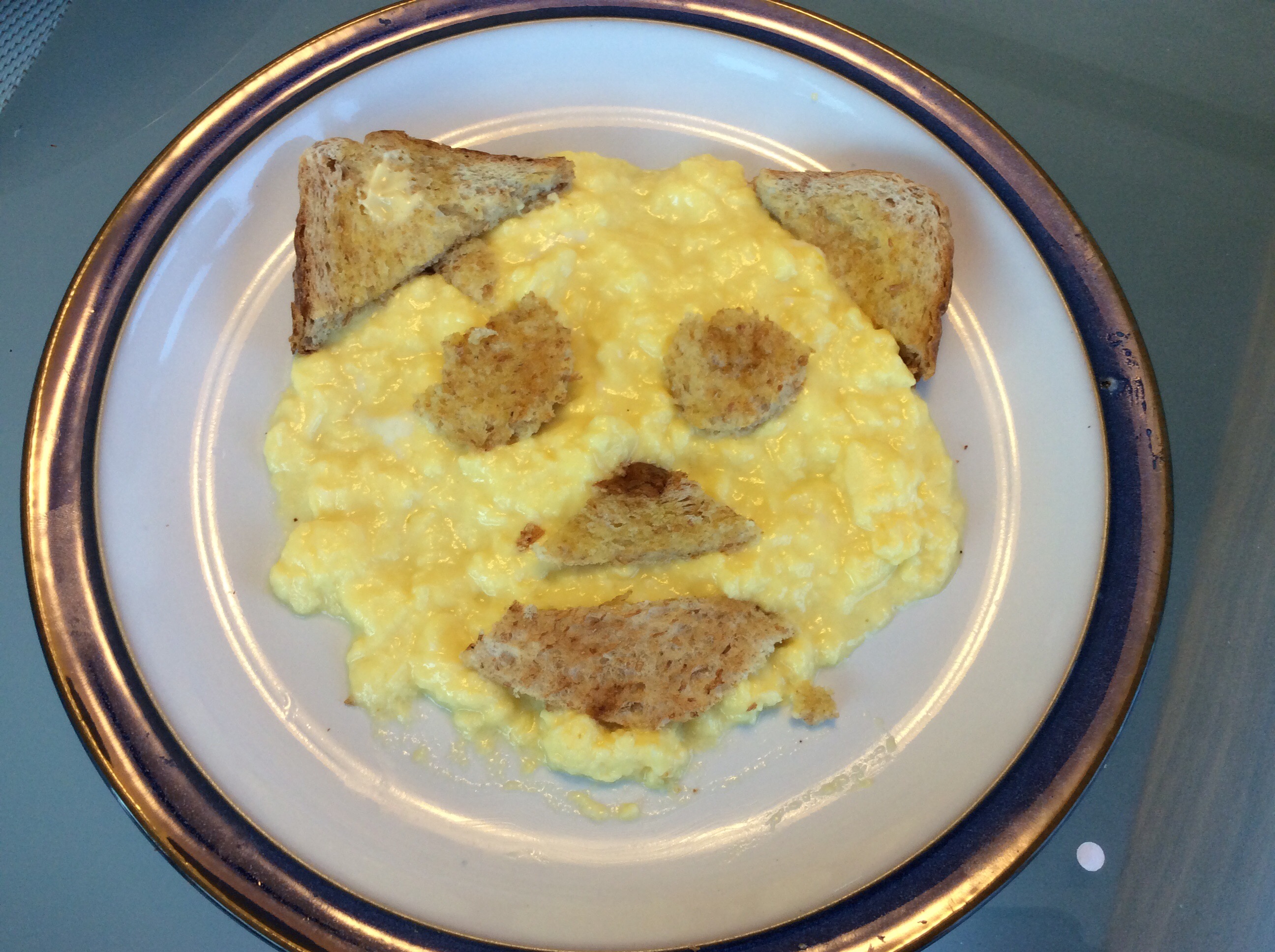
Even placing pieces of bread of toast on a plate of scrambled egg to make a fun face is great practice and improves hand-eye coordination.

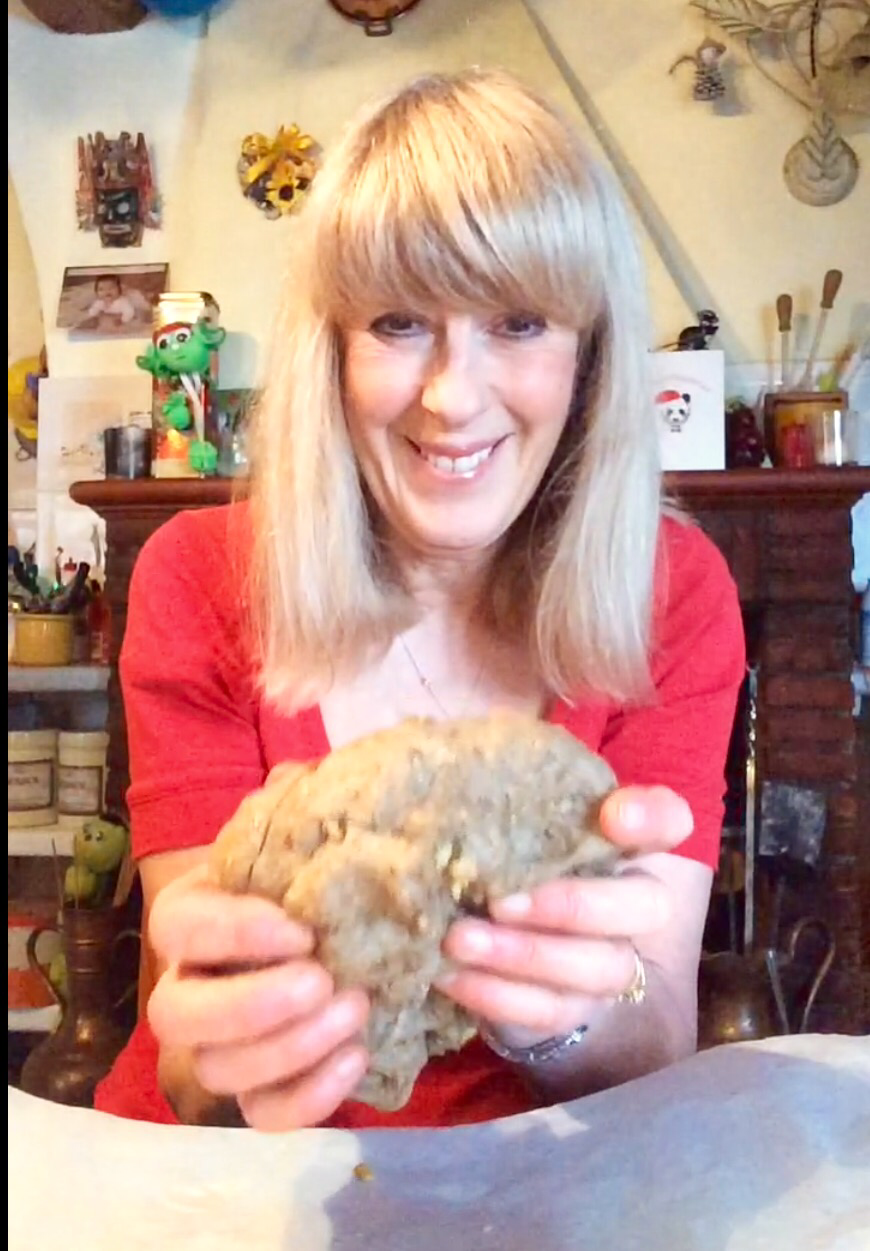
Playdough is a great medium for strengthening little muscles and for hand-eye coordination.

Practice the tripod grip when pulling pieces apart .


Exercise other muscles by squeezing and rolling and pressing.
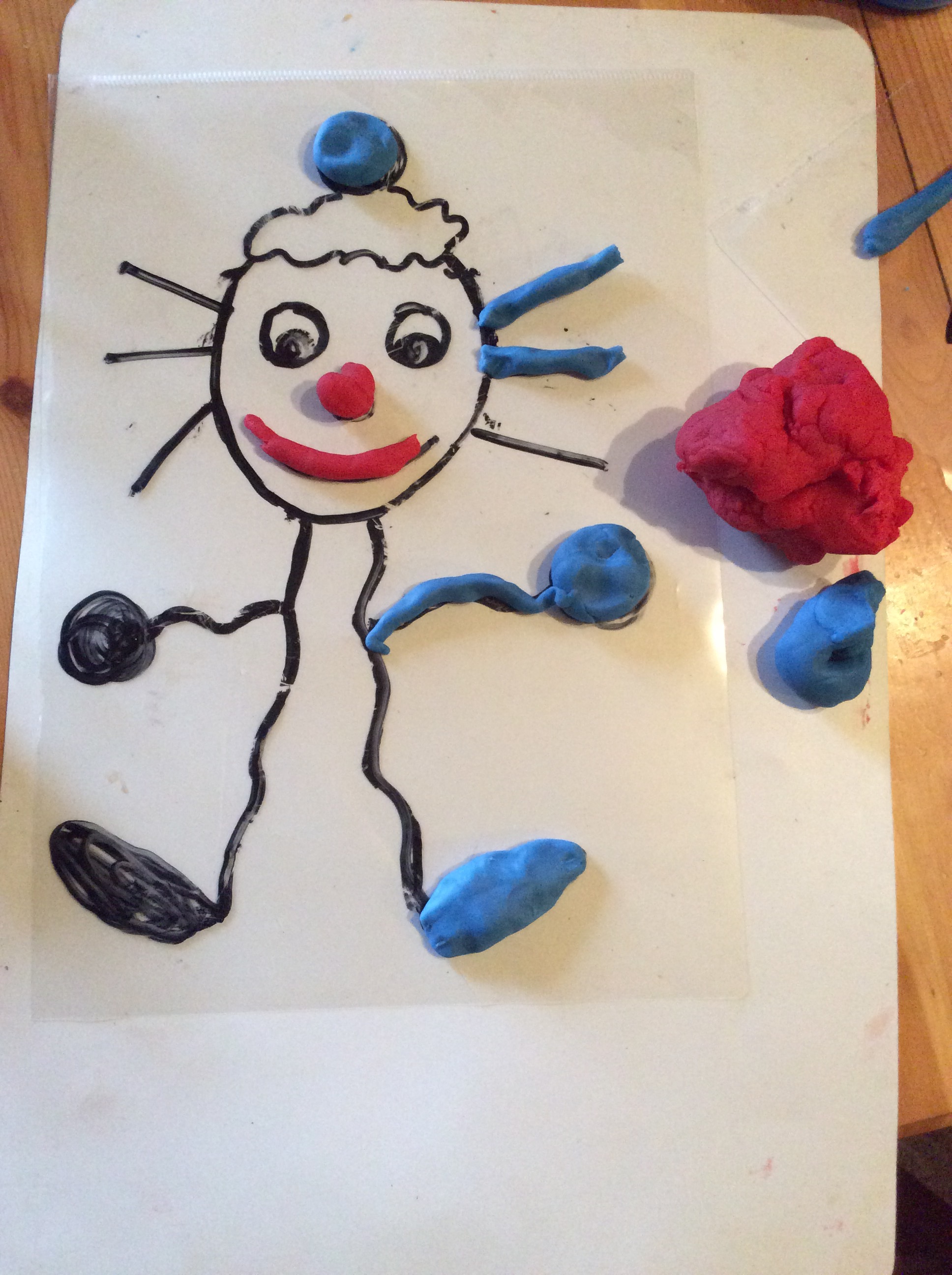

One activity I’ve found very popular is illustrated here.  Different types of lines and circles are drawn on sheets of clear plastic. An assortment of wavy and straight lines, long and short lines plus different sizes of circles can also be incorporated into a design or simple picture.

Then pieces of playdough can be made into the correct shape and size to fit over the lines and dots.

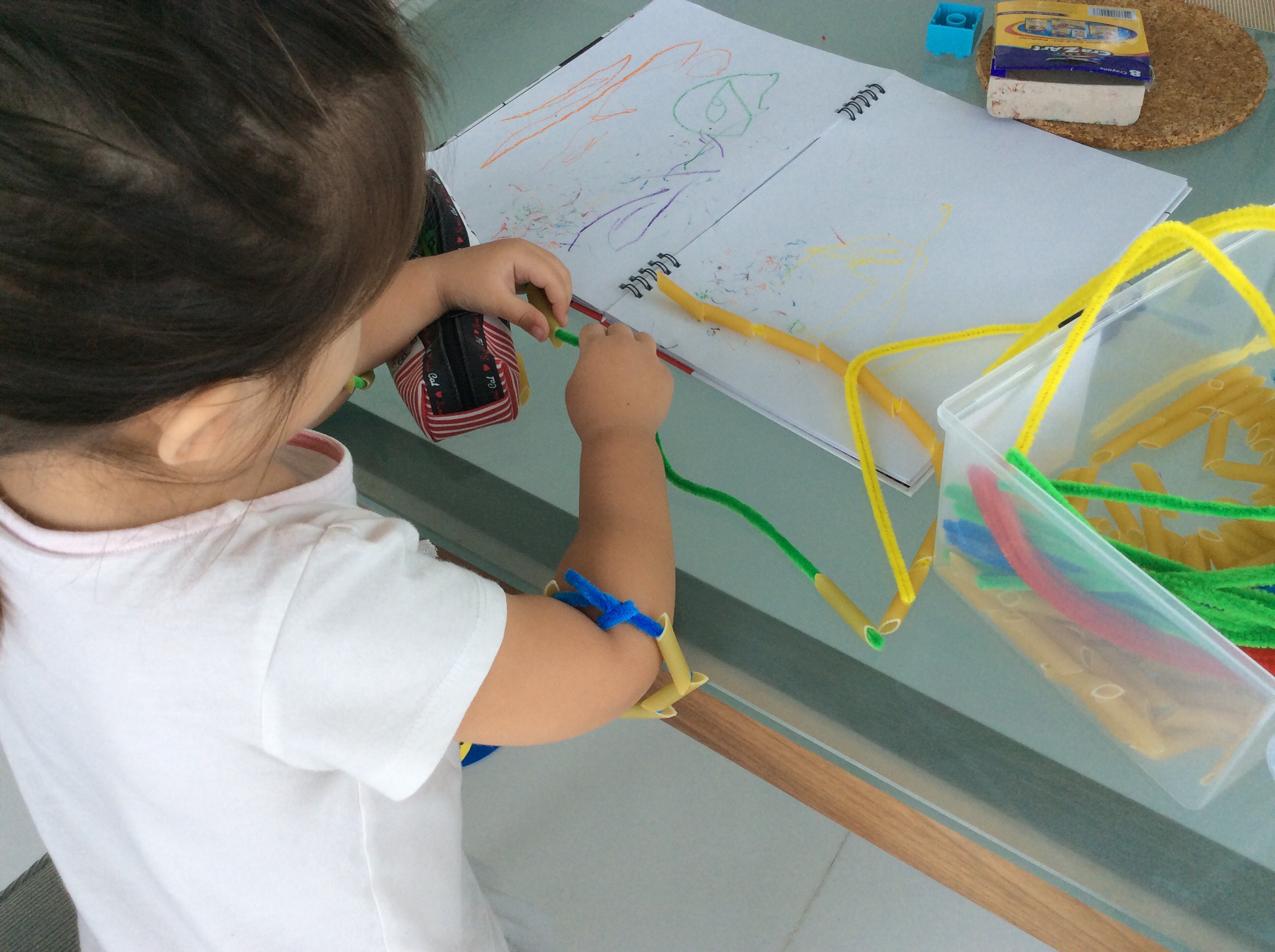
Threading beads, pasta, rubber washers infact anything that has a hole and is safe is great fun. I like to have a lidded plastic box full of pasta tubes, beads, washers, together with plastic cord, coloured string, straws and pipe cleaners.
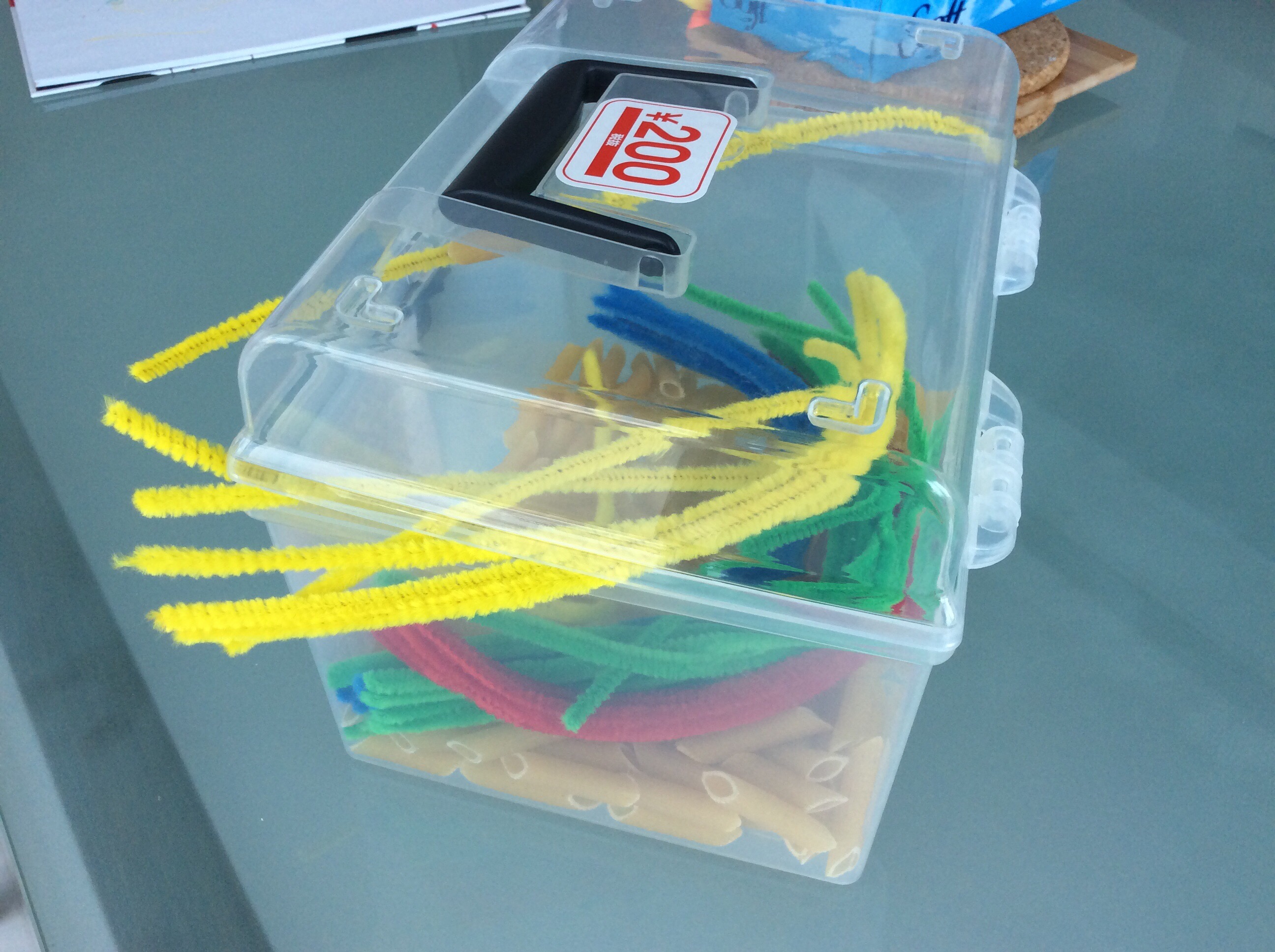

Children will happily play with this assortment oblivious to the fact that they are not only practising fine motor skills and improving hand-eye coordination but are also developing their creativity and learning about texture, colour and even basic number concepts! Not to mention absorbing lots of new vocabulary.
Understanding Numbers

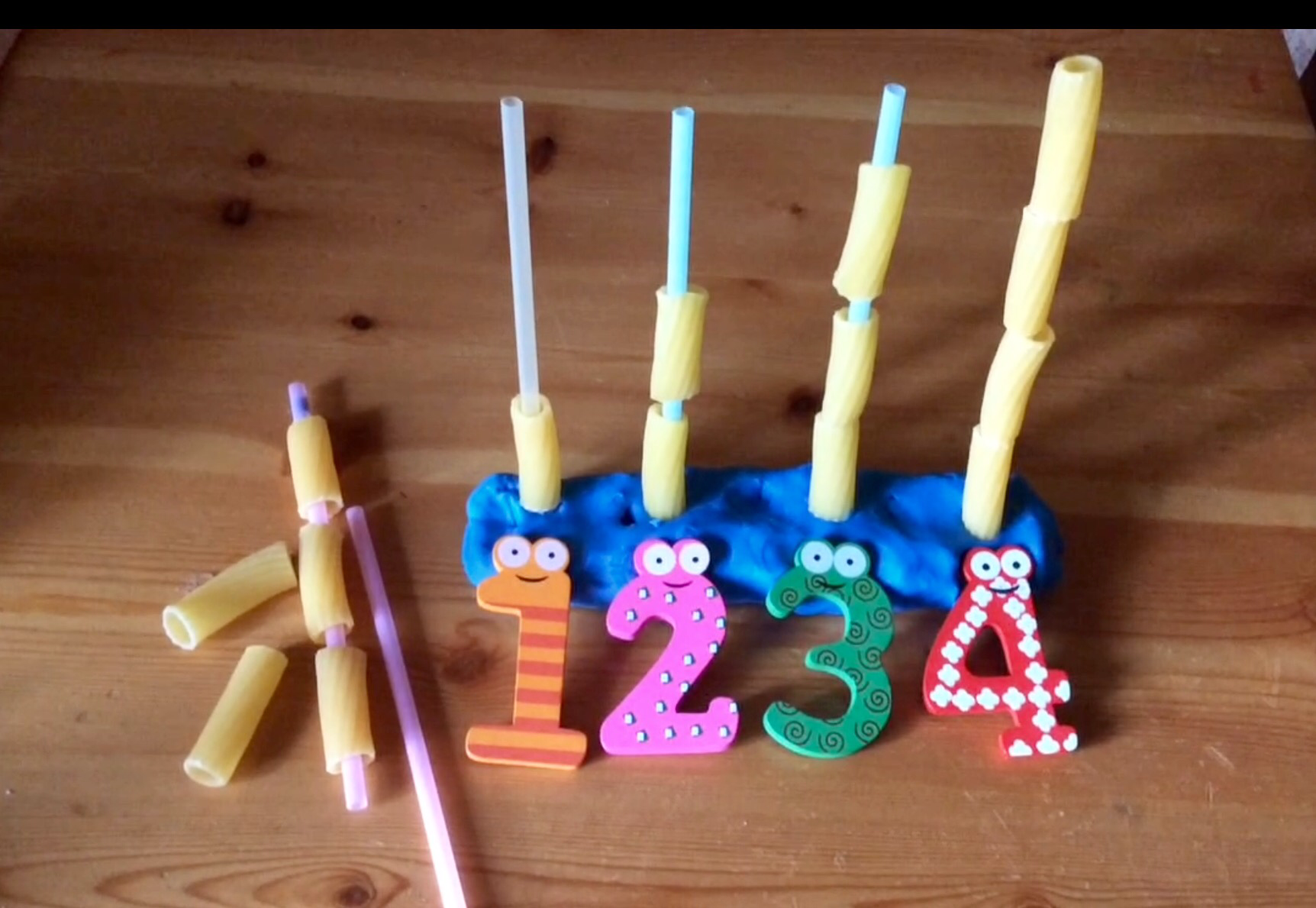
It’s very common to hear young children counting. They count up and down steps. They count cars passing. They count the number of people sat round the table. But do they really understand what numbers are?  It’s unlikely because basic number concepts and number conservation are not easy to acquire and so it’s important to start early.

How can we help?

Children learn best through play so letting them play around with a few counters or bricks is a good start. Begin with one number. Have it as the ‘number of the week’ . Place visual prompts around the house. Magnets on the fridge. Mats on the tables. Toys etc.

For example if its number 3.

  • Have 3 magnets on the fridge. Encourage your child to change the pattern. This will help them to develop an understanding of the number. To realise that three magnets remain three no matter what pattern they make.
  • Set the table for a tea party with three place settings. Help them to put out three spoons, three plates etc.
  • Make ‘cakes’ from playdough and give each toy three cakes.
  • It’s fun to make your own board games. They don’t need to be elaborate or fancy!  For very  small children I like to make them without numbers. (See the video).  Children love ‘action’ games so a board game where actions have to be performed is great fun.  Keep the numbers on the dice low. Maybe just 1 2 and 3.  When the dice is thrown then the counter is moved that number of places and the action shown on the square is performed the same number of times.  So, for example, if you throw 3 you move 3 squares and if the square indicates to clap hands then you clap hands 3 times!
  • Going out on a number hunt is fun. It can also be very useful for parents when they have to do something boring as it keeps the child’s attention!  Numbers are everywhere. On clocks, car number plates, doors, signs. Spotting the number of the week on such an excursion is a great way to reinforce number recognition.
  • Shopping is good for practicing real life maths.   Children can be asked to put a certain number of  items into the shopping trolley. This activity will also keep them from getting bored and cranky!

Don’t pay out lots of money on number resources. Very effective ones can be made at home using resources you already have in the house. Let the children help to make them and encourage them to come up with suggestions for new ones.

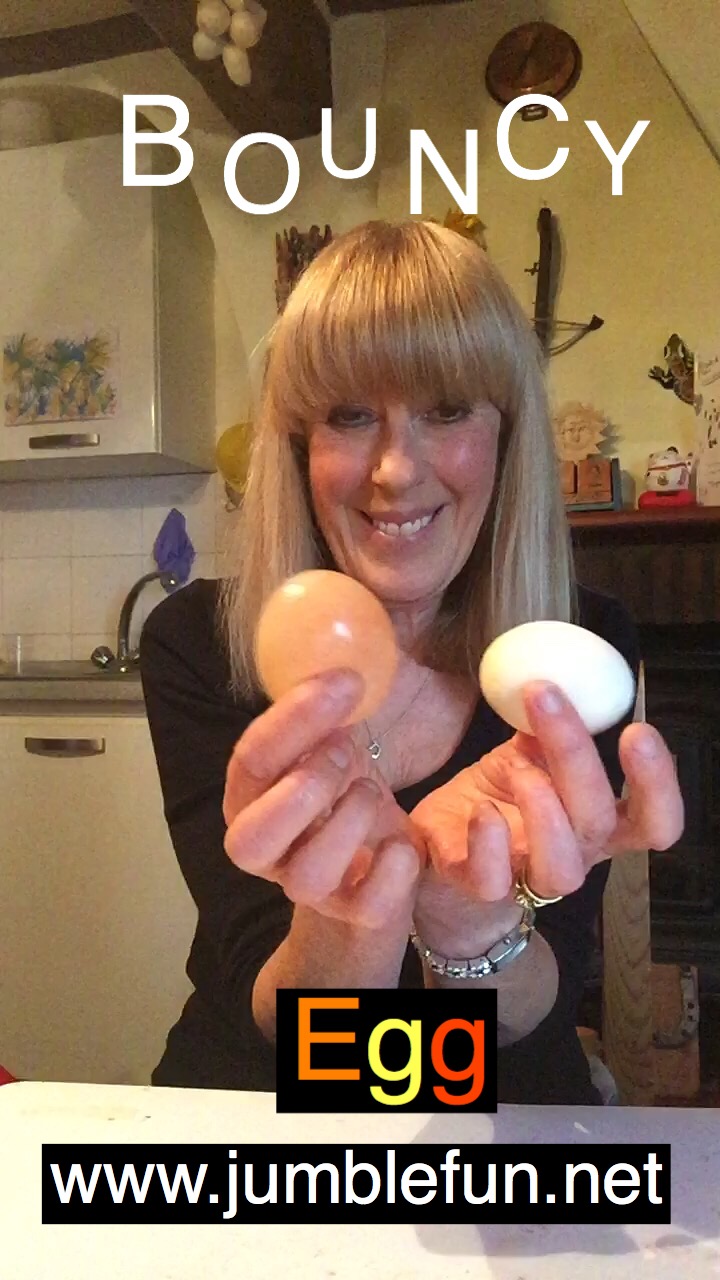
The Bouncy Egg

A fun, simple and effective investigation with eggs.

All you need is two eggs, cider or white wine vinegar and two clear containers.

The experiment needs to be left for 18 to 24 hours.

All my programmes are designed to motivate children to ask questions, to predict, to reason.

This video is in two parts. The first explains how to set up the experiment and asks children to predict WHAT they think will happen to the eggs. Then they do the experiment and try to think WHY it happened.

The second part is the explanation put very simply. I suggest you stop the video between the two parts.

Adult supervision is required

Click on this link to watch the video

Balloon Drum

Easy and fun.

Bought musical instruments for young children are very colourful and adaptable but you can’t beat helping your child to make a musical instrument and a good first one is a drum.

I made this one it’s my little granddaughter from a burst balloon and a coffee mug but an empty canister would do just a# well. She played with it for ages. We tried out different drumsticks, wooden spoon, metal spoon, chopstick, paintbrush and achieved very different sounds. Then I clapped out simple rhythm patterns and she tried to copy.

Then all the toys arrived and had a go! It was great fun and that’s where learning starts , with play.

Scratch!

Fun for kids and adults.

Choose large tools like spoon handles an£ forks for younger children .

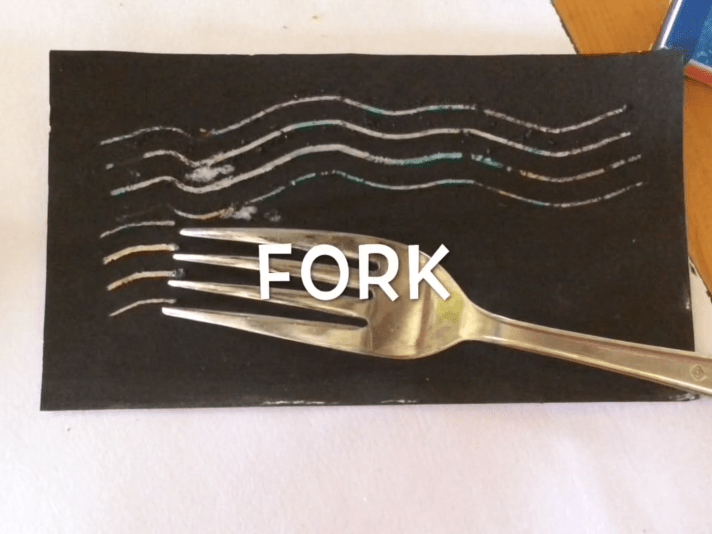
The homemade alternative to scraper board.

Click here for the demonstration

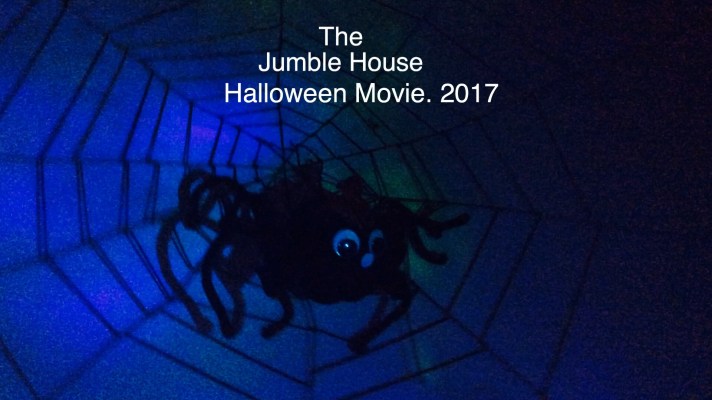
The Jumble House Halloween Movie

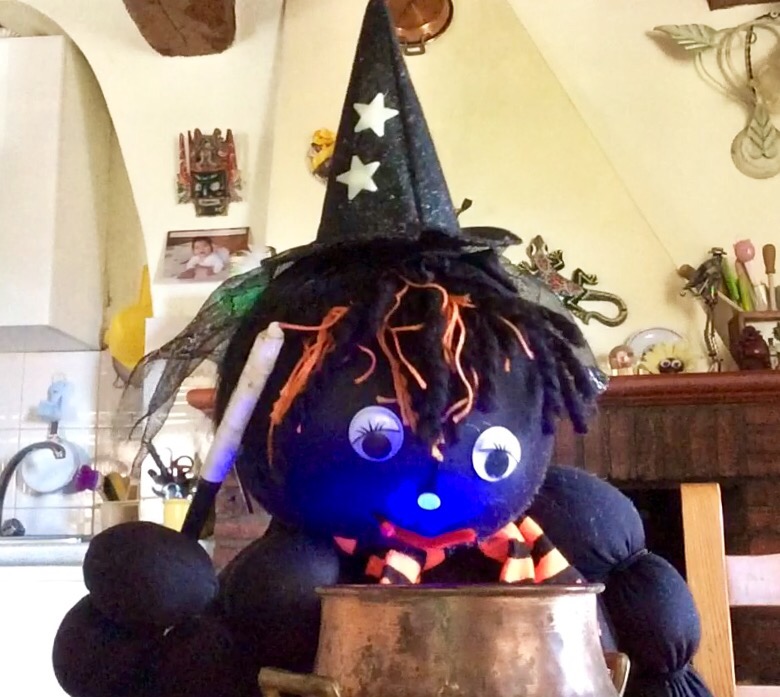
This is the culmination of previous posts showing how to make spooky noise effects, ghosts, spiders and witches.

A warning for parents. Children may be frightened by this video. Please watch first!

If however your family has been involved with the previous posts then they will understand how the effects came to be.

The Jumble House Halloween Movie

Halloween Magic

Make a Spider’s Web for your Jumble Tuft Spider.

This is a bit fiddly plus I use wooden skewers which have sharp ends so it is not suitable for young children and older children will need help and supervision. I suggest clipping off the pointed ends o& the skewers before you start or pieces of wooden doweling could be used instead.

Halloween Magic

Cappuccino, Monks and this Gate in Spello

The Cappuccini Gate in Spello.

What’s the connection between this gate in Spello, a cappuccino, an order of monks and Lizzie Witch.

Well, if you are a child it’s all about frothy milk and Lizzie Witch so for children go to the programme here: Frothy milk

If you are an adult then read on!

Around 1520 a friar from Marche in Italy said that God felt that the lifestyle of friars of his day was not that intended by their founder, St. Francis of Assisi and He endeavoured to return to the original primitive lifestyle

The Church tried to surpress this movement and Friar Matteo and his followers had to go into hiding. They were given refuge by the Camaldolese Monks and later adopted the hood or Cappucio worn by that order as a mark of gratitude. From this came the name of the order. Capuchin Momks.

Legend has it that when a Turk army fled after marching on Vienna in 1683 they left lots of sacks of coffee beans behind. The coffee made with these beans was very bitter and so milk and honey was added to make it drinkable. The drink was called Cappucino after the capuchin order of Monks the habits of which also just happened to be the same colours as a Cappuccino.

Above: the road in Spello leading from the Cappuccini Gate.

Learn and have Fun with Bubbles

img_8890

Bubbles are so much fun and kids love them. It’s incredible too how often we come into contact with bubbles during our every day lives without even thinking about it. Bread making, whipping up cream, whisking egg whites, fizzy drinks, washing etc etc.

We see them and use them so often that we take them for granted.

But to children , they are MAGIC!

There is so much to be learnt from bubbles but to kids it’s all just good fun. A perfect example of learning through Play.

The theme of one of my learning programmes for preschool children has a theme of Bubbles. If you haven’t watched it yet you can use the link below to view.

BUBBLES. Stories from Jumble House

If you are looking for some more activities on the ‘bubble ‘ theme then here they are! I’ve made short videos on most of the activities so just click on the links to view.

Why are bubbles different colours?
My kids loved this activity!
We half filled a bowl with water and added lots of soap to make masses of strong bubbles. Then we placed our hands under a pile of bubbles and walked around inside and out observing how the colours changed. Children will realise quickly what is happening but they won’t probably know the term ‘reflecting ‘ so this is a good  opportunity to introduce and explain.

Are bubbles always round?


No matter how you try the bubbles you blow will always be round because they are free. There is nothing pushing on them. But, look at the shape of the bubbles on a bubble print. There lots of bubbles are squashed together and so push each other into all kinds of shapes.  Can you make a square bubble?  With a bit of an effort yes!  Learn how on the link below: 

Can you make a square bubble?

Where else do you find bubbles?
Play a game, ‘Spot the Bubbles ‘ . It can last a whole week!
There are bubbles everywhere!

Make some bread.  Yeast produces bubbles when it is given warmth, sugar and liquid. Make some bread using fresh yeast then they can appreciate the process.
Click on the link below the photo to watch how to make delicious ‘ Yummy Srummy Good for my Tummy Bread’!!


Make Bread with Maisie Jumble

Bubbles on the surface of a pond or lake.

Ask questions later like: ‘where do you think they come from?  ‘what is in the water that produces these bubbles? ‘

Click on this link to find out more:  What’s making the bubbles?

Some foods have bubbles.   Just look at a block of Aero chocolate!

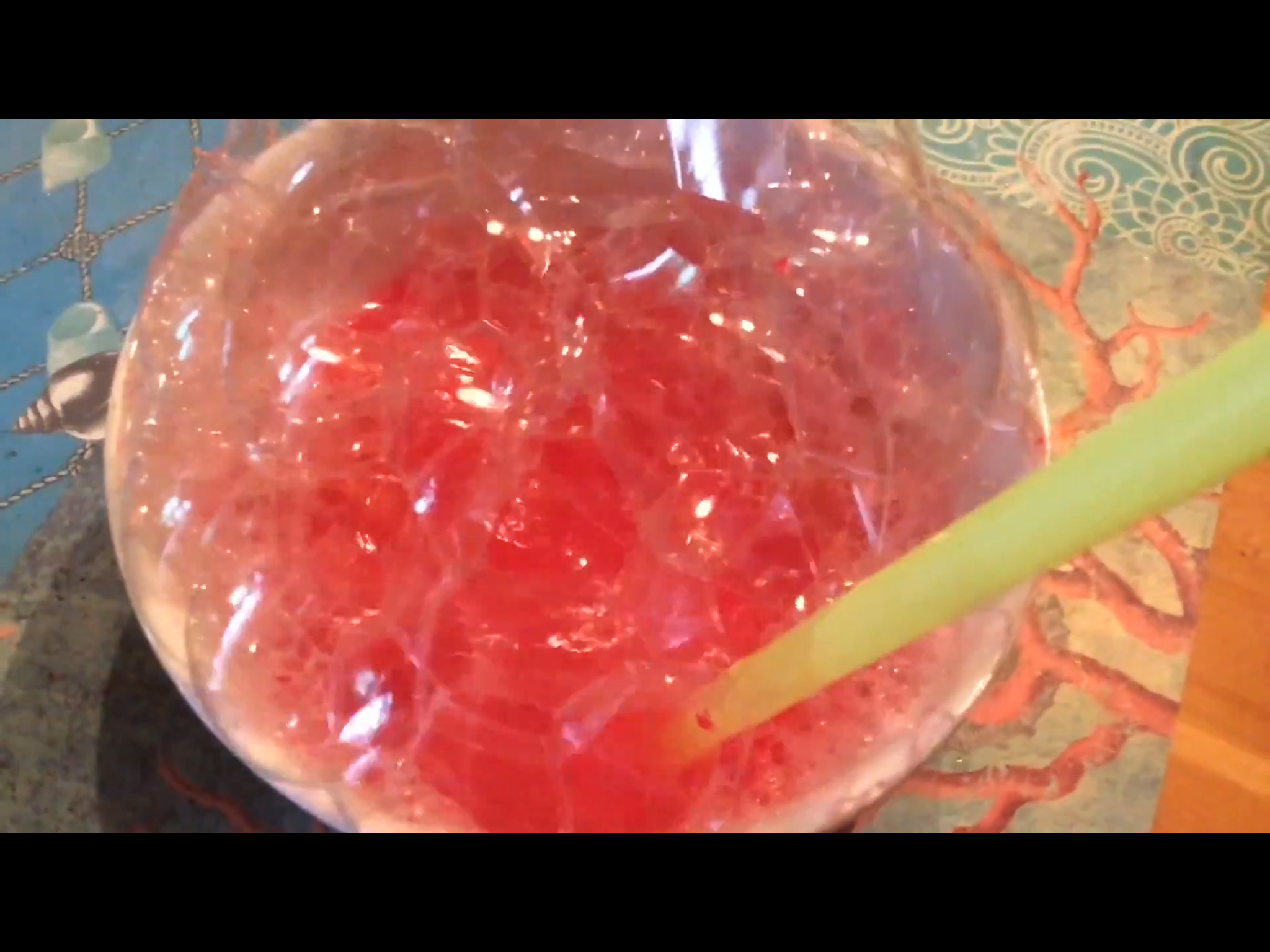
Bread. Chocolate Mousse  You can make a fun bubbly jelly too.

So how do we get the air into the liquid?
Here are some good ways to demonstrate this:
Whipping   (cream and egg whites)
Blowing
Steam-like for Cappuccino.
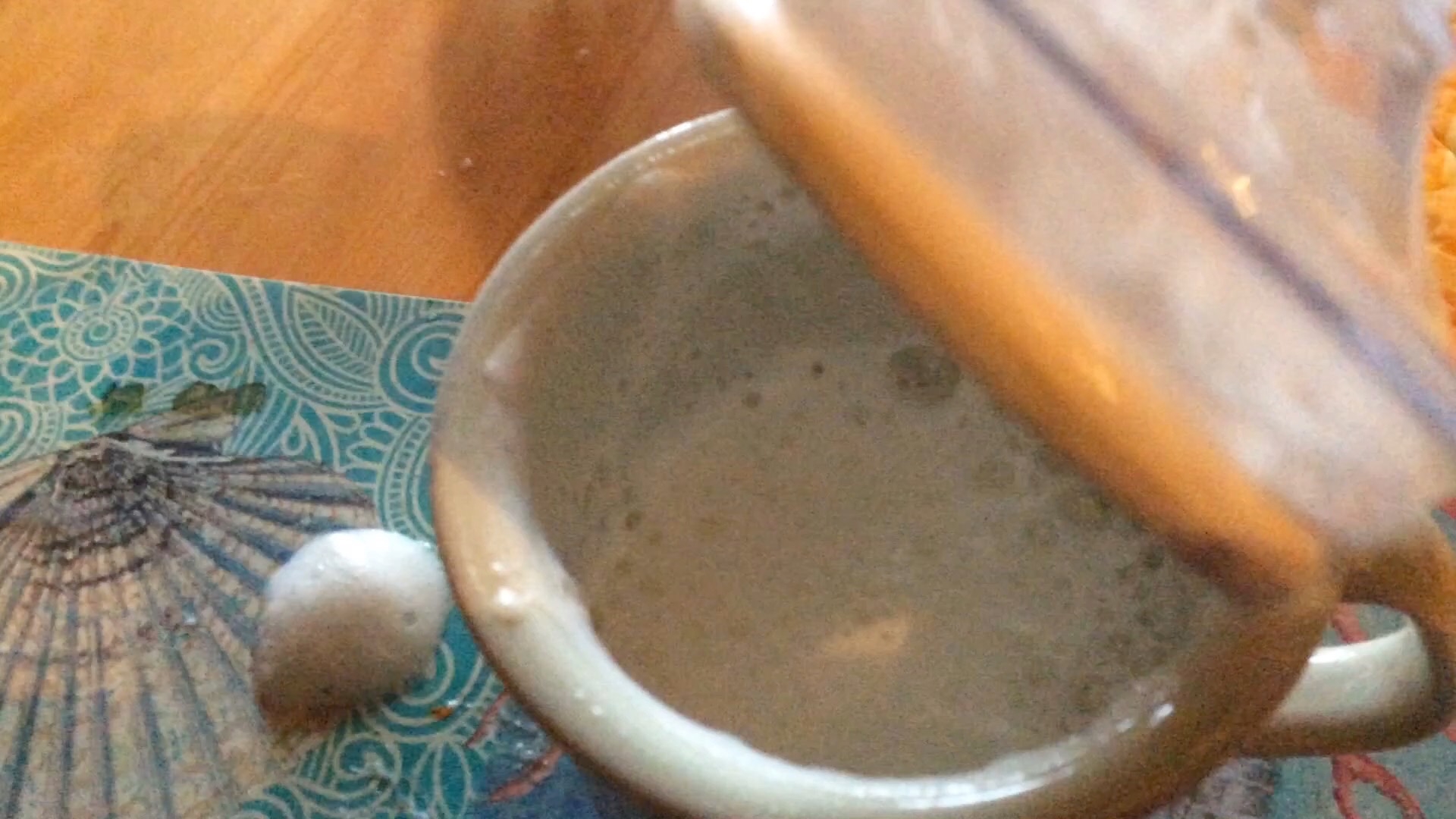
Using a milk frother – .These little milk frothers are really good and providing the milk isn’t too hot Children can make themselves a frothy milk drink.

Bubbles, air and frothy milk 


Early Learning
Of course, while your little ones are discovering bubbles they will also be learning basic scientific and mathematical concepts like temperature, weighing and measuring, density AND accumulating lots of new words.

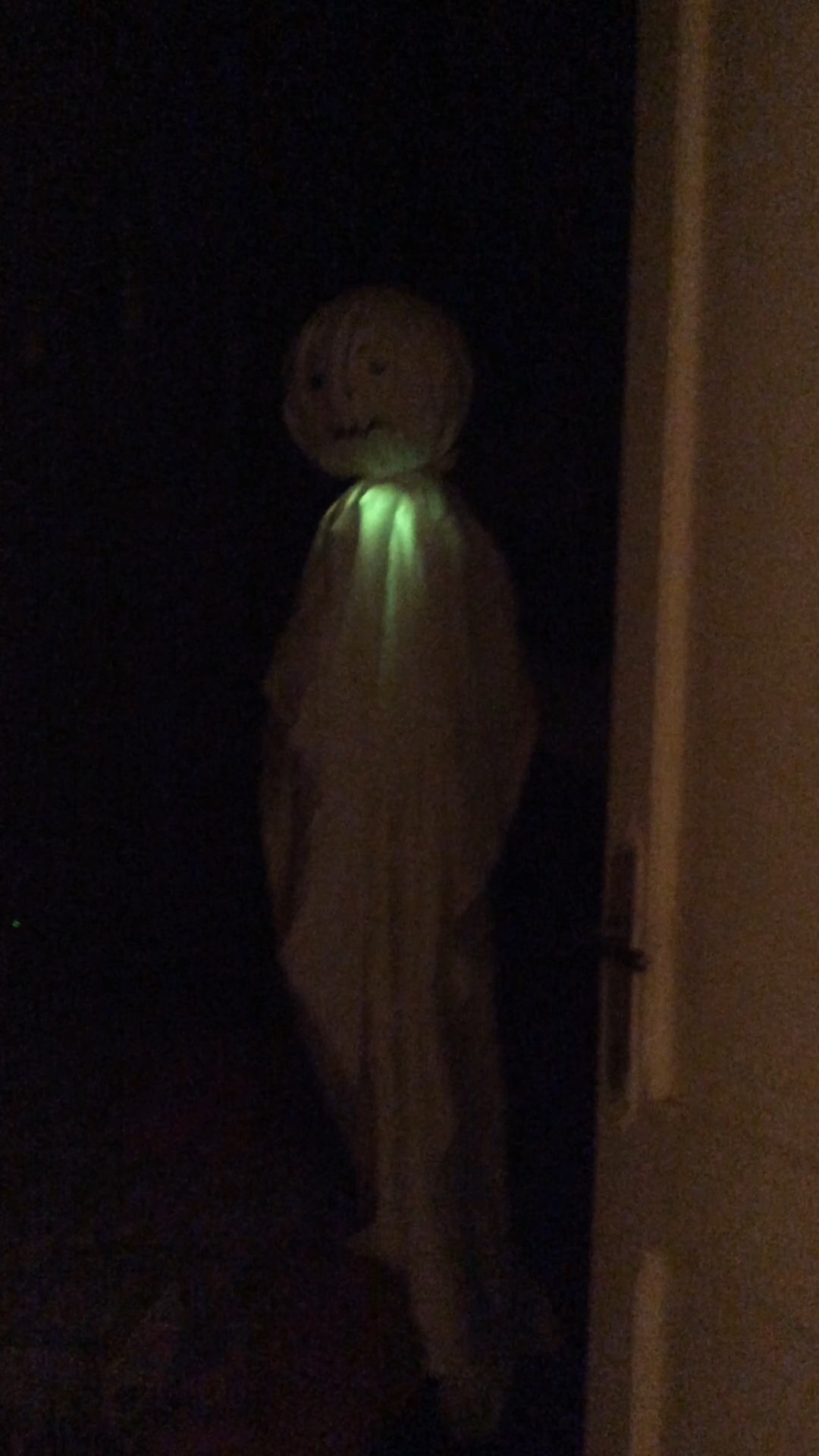
Make a spooky ghost.

This IS so easy! Takes less than ten mins and is SO effective! The easiest prop I have ever made.

All you need is a large piece of white fabric. An old sheet is perfect. A football and a toilet brush! Yeah! A toilet brush. New of course. I was trying to find something which was wide enough to support the head with just a wiggle but had a handle to hold and a toilet brush is just perfect!

Watch the video to see.

Make a

Don’t forget to follow us. (Well actually , it’s follow ME because that’s all there is to this site and channel .just ME!}

There’s lots more Halloween fun to come plus great learning for little ones.