Are you sitting comfortably? 


‘Tell me a story….’  a request that used to be heard and acted upon by parents of under-fives at least once a day. 

Now sadly this, along with the traditional bedtime story, is often replaced by a narrated or cartoon story viewed on a tablet or phone.

But how important is this ‘tell me a story’ time? How important is a bedtime story? 

First and formost it is the sharing of quality time that is so important.  The emotional and physical closeness that is present when a child cuddles up with its parent or carer to read or listen to a story is essential for emotional development. It is telling the child, ‘You are important to me. I enjoy being with you.’  Messages that are vital for boosting self-esteem. It also sets an example. The child sees that books and stories are important to you. They are not just things for kids. 

Through stories children begin to make sense of our complicated world. It’s cultures. It’s traditions. It’s acceptable behaviour and behaviour that is not acceptable. They identify with characters, emotions and experiences thus realising that their own feelings and reactions are shared by others and are not unique. 

Reading and making up stories also has a long term benefit. The more books children read or have read to them, the more ideas, characters and settings are stored in their memories.  They will gather different beginnings and endings and absorb the writing styles of different genrés. This will be greatly improve their own writing and prove invaluable during their school years. 
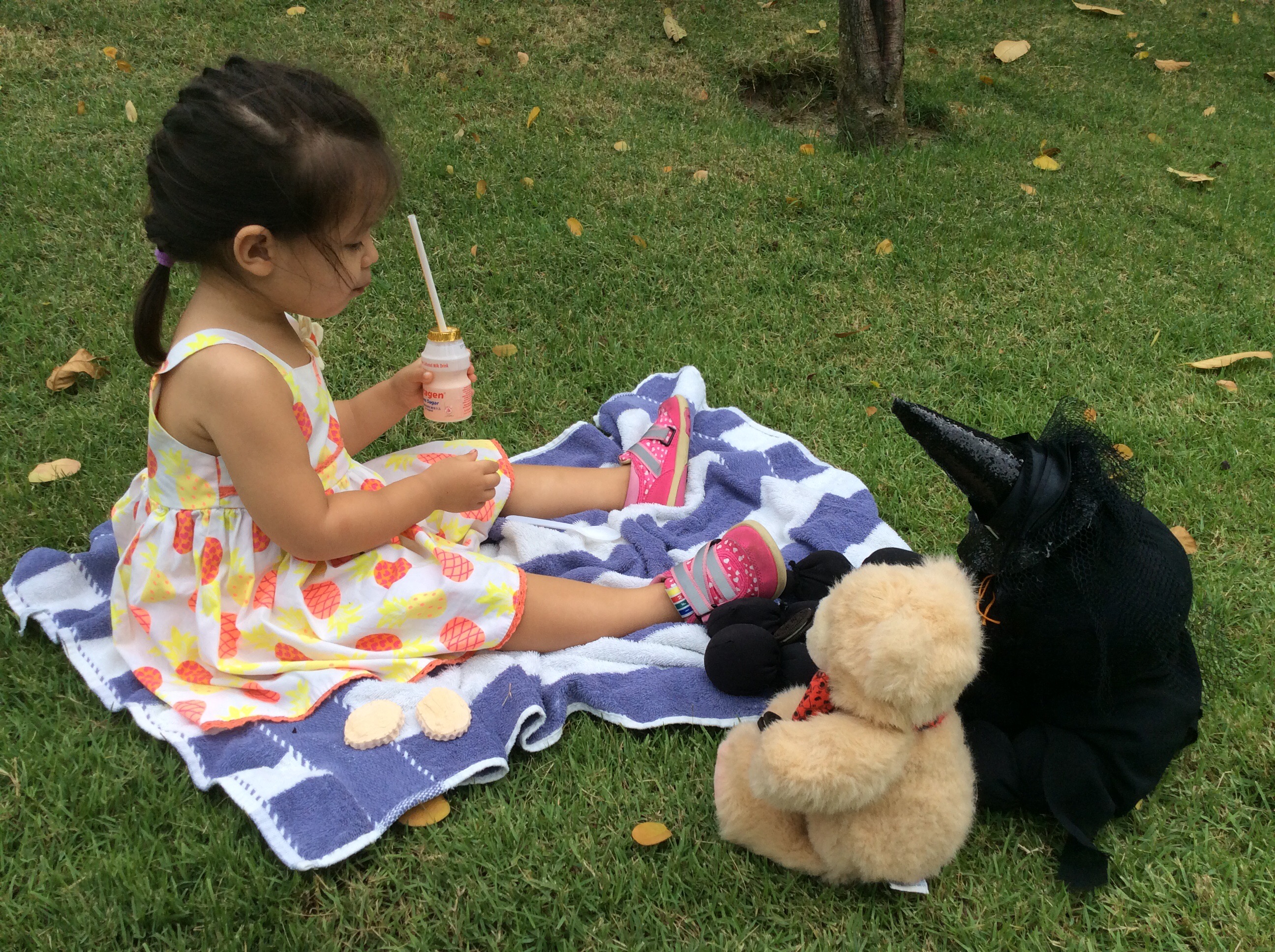

Watch two and three year olds playing with their toys. Often they will be acting out everyday routines like mealtimes and bedtimes. Teddies and dolls will be fed and bathed and put to bed. This is a way of understanding routine. Of rehearsing behaviours and roles. Often the toys ‘become’ the children and they themselves take on the role of mum or dad. 
Sometimes the situation will be a new one. An experience like a first visit to the doctor, or dentist or playschool. This kind of play is important because it helps the child to understand and to come to terms with new experiences. 

Children will also ‘act out’ stories they have read. This kind of multi sensory play improves understanding and increases vocabulary. As they move the characters of the story around they remember and learn to use in context, words and phrases from the story. This helps them to order events chronologically and to come to understand consequences. Skills essential to future learning and life in general. 

How can you help? 

  • By ensuring you have a selection of good picture books available at home. A mixture of traditional tales and good modern storybooks.
  • By keeping or introducing a bedtime routine that includes reading a book together.
  • By reading yourself so your child sees that this is something you enjoy too. 
  • By providing an accessible box of bits and pieces that can be used to ‘act out’ stories or make up stories of their own. Children don’t need models of animals and people.  They don’t need real garages, and cars and castles. In fact these have been found to present a barrier to creativity. They will happily use cotton wool for a sheep, a roughly mounded piece of plasticine for a dog, a pipecleaner for  a person. Plastic margarine tubs become swimming pools or boats, toilet roll tubes cars, trains or towers. Don’t interfere!  Their imagination is much better than yours. 
  • By sharing their experiences. Children should not require attention 100% of the time. They need to be able to play on their own but they will benefit from your presence for short periods during the day. You will learn a lot about their feelings and understanding of life by simply sitting and watching them act out . 
  • By encouraging them to ‘act out’ their favourite stories. Try this too when your child keeps asking for the same story to be read over and over again. This may be just because they like the story but it could also be because they are finding some event or character or message difficult to understand.  If this is the case then ‘acting out’ the story should help. 
  • Why not have a special ‘storytime’ session each week when everyone either makes up a short story or takes a traditional story or nursery rhyme and chooses a way to tell it with mime, pictures, cartoons, or puppets. 
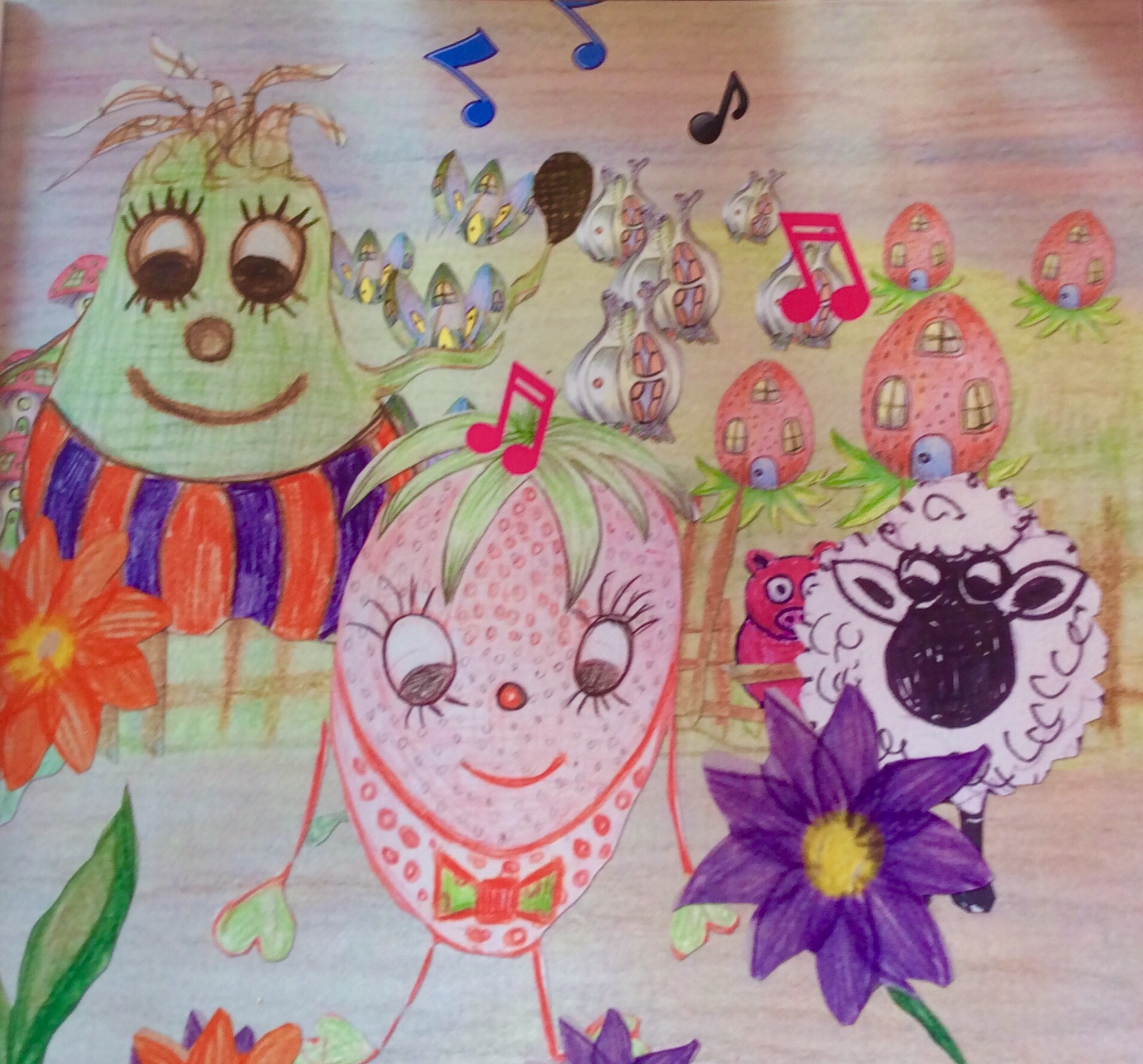

STORIES SET ON FIVE A DAY HILL

I wrote this series of picture books last year during a set of story-writing Workshops I held for children aged seven and eight years old.   (Books are available on this website :   Books and Birthday Messages

The stories are suitable for reading to children aged between two and five years old and contain lots of repetition and opportunities to respond.  The characters are fruit and vegetable ‘people’ hence the name!  Each story contains a ‘message’ or lesson in life. 

The video below demonstrates how one of the stories, “The Trouble with Pedro Pear” can be retold or ‘acted out’ using pieces of fruit.  Any story can be told in this way.  


Copywrite: Text and illustrations  Copywrite held by myself, Judi Brereton. 

Jumble  Mess


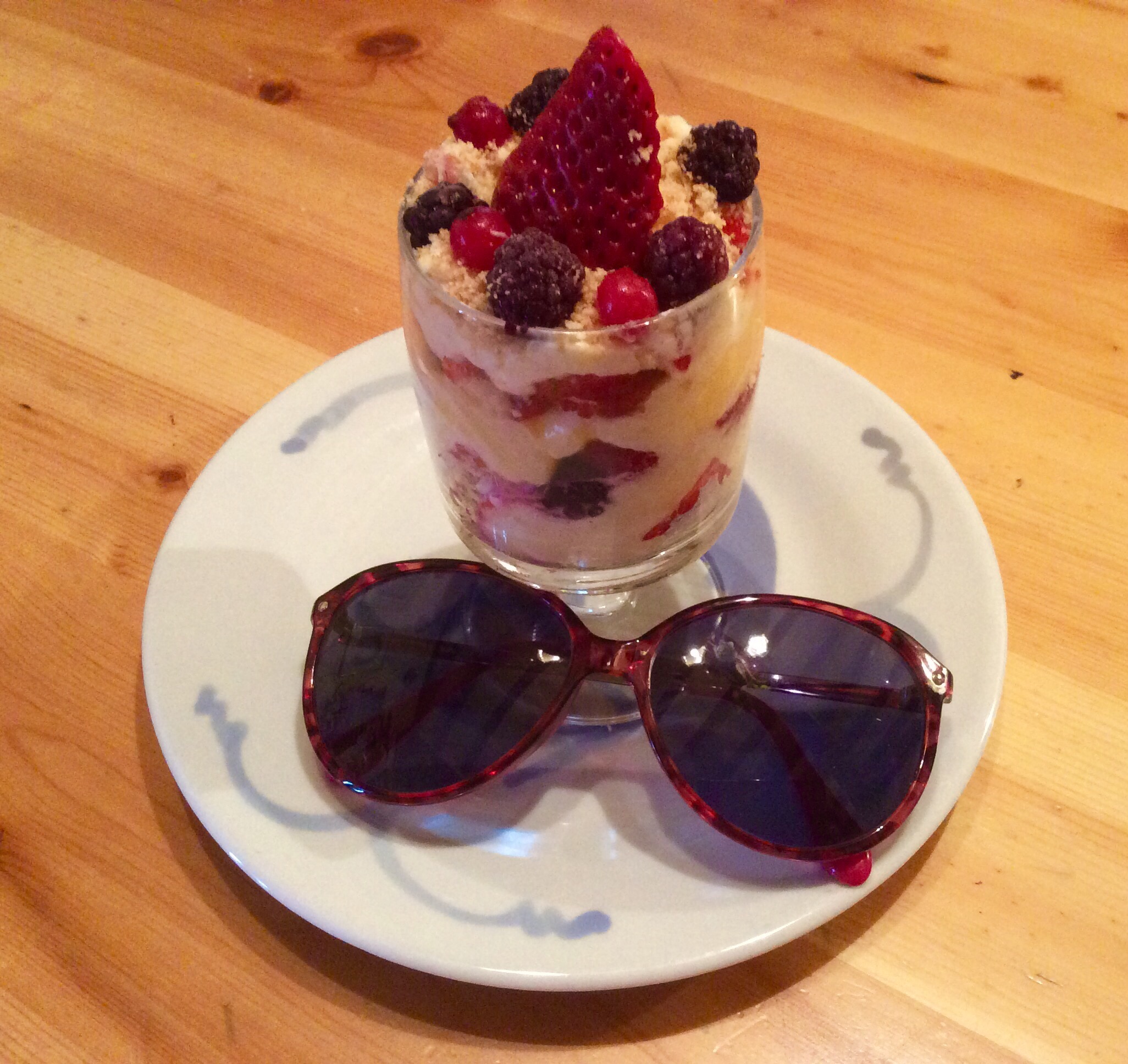
If there’s an ‘Eton Mess’ (Strawberries, whipped cream and broken meringue) then I don’t see why we can’t have a ‘Jumble House Mess’!  Actually I had intended to make Eton Mess but then didn’t have any meringue so concocted this instead! 

To be honest I’d prefer a piece of cheese any day but then I’m not normal!  Most people love a dessert, my husband being no exception and he wolfed the lot! 

This can be made with fresh strawberries or mixed berries or even frozen frutta di bosco or fruits of the forest. It’s even nice if you mix the two! 

Ingredients

Berries ..strawberries or fruits of the forest.

Whipped cream – I added a sachet of brown sugar (1 teaspoon) 

Custard. (If English)    crema pasticciera  (If Italian) and if neither then I’m not sure! I used a packet of Birds Custard powder but used less liquid. Half a pint instead of three quarters. 

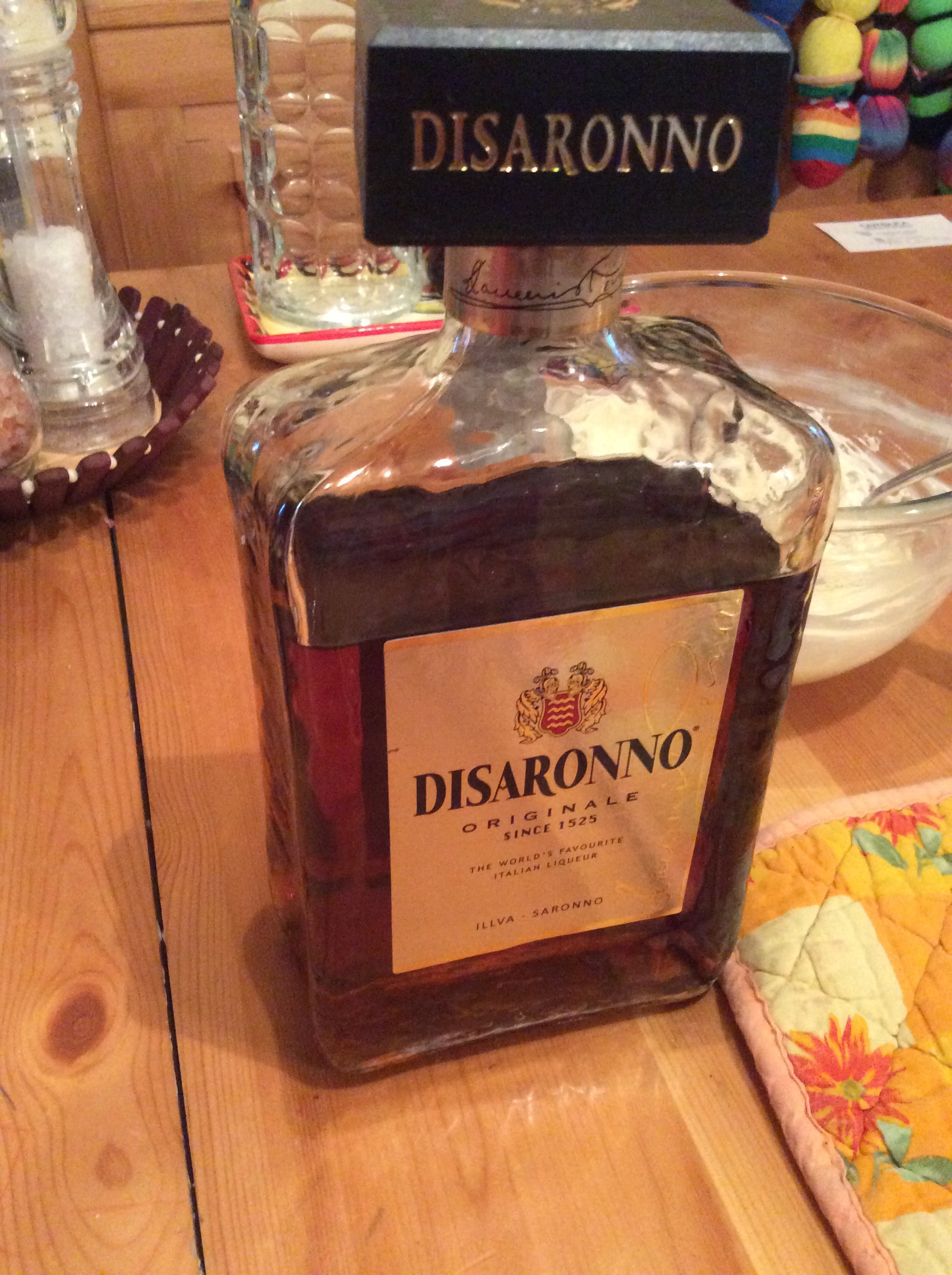
Di Saronno

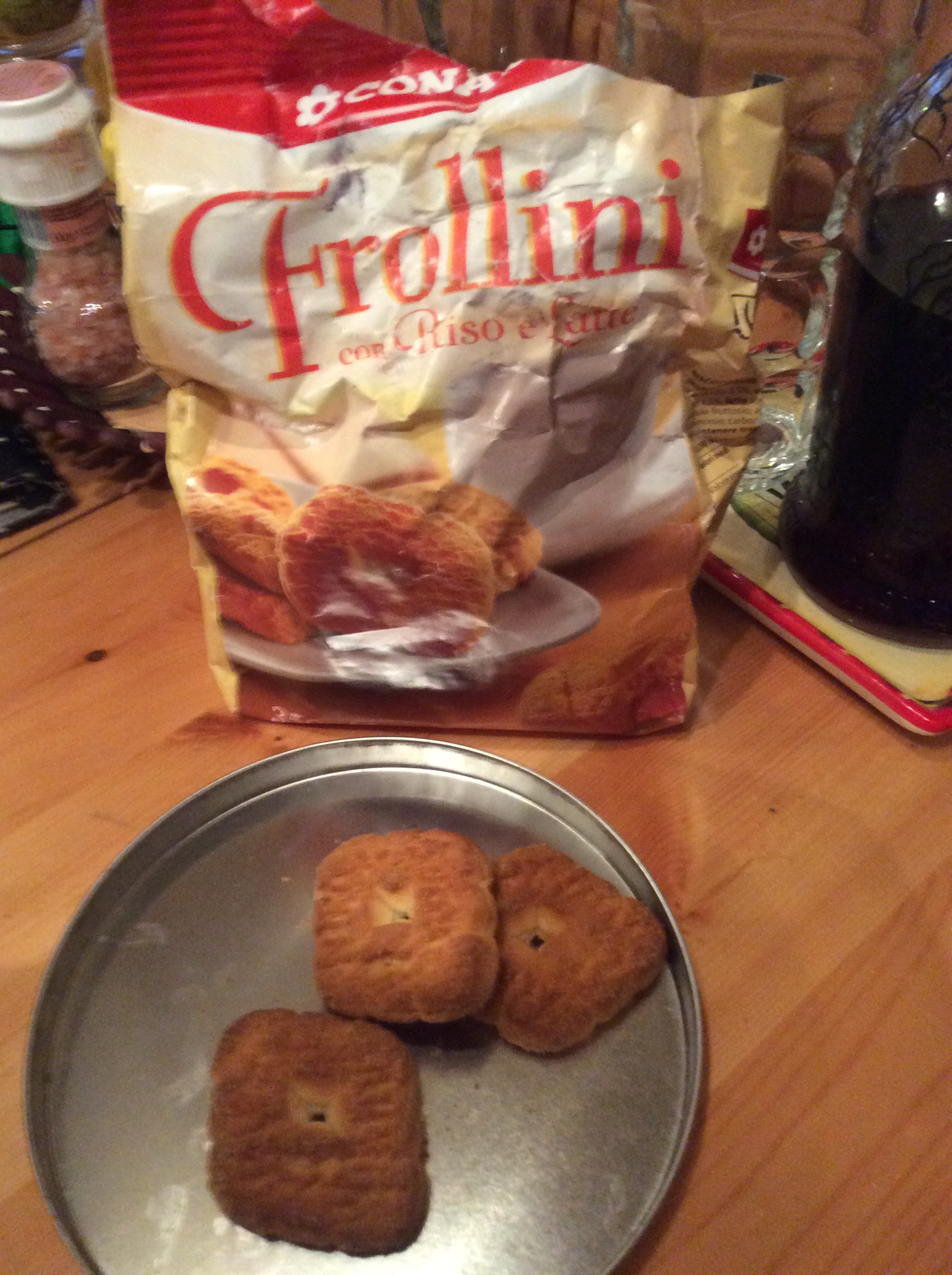
Biscuits. I used an Italian biscuit. In England.  Definitely not Digestive Biscuits because they are too rich. Rich Tea are too plain. Maybe ‘Hob nobs’ or similar would work. 

So the method:


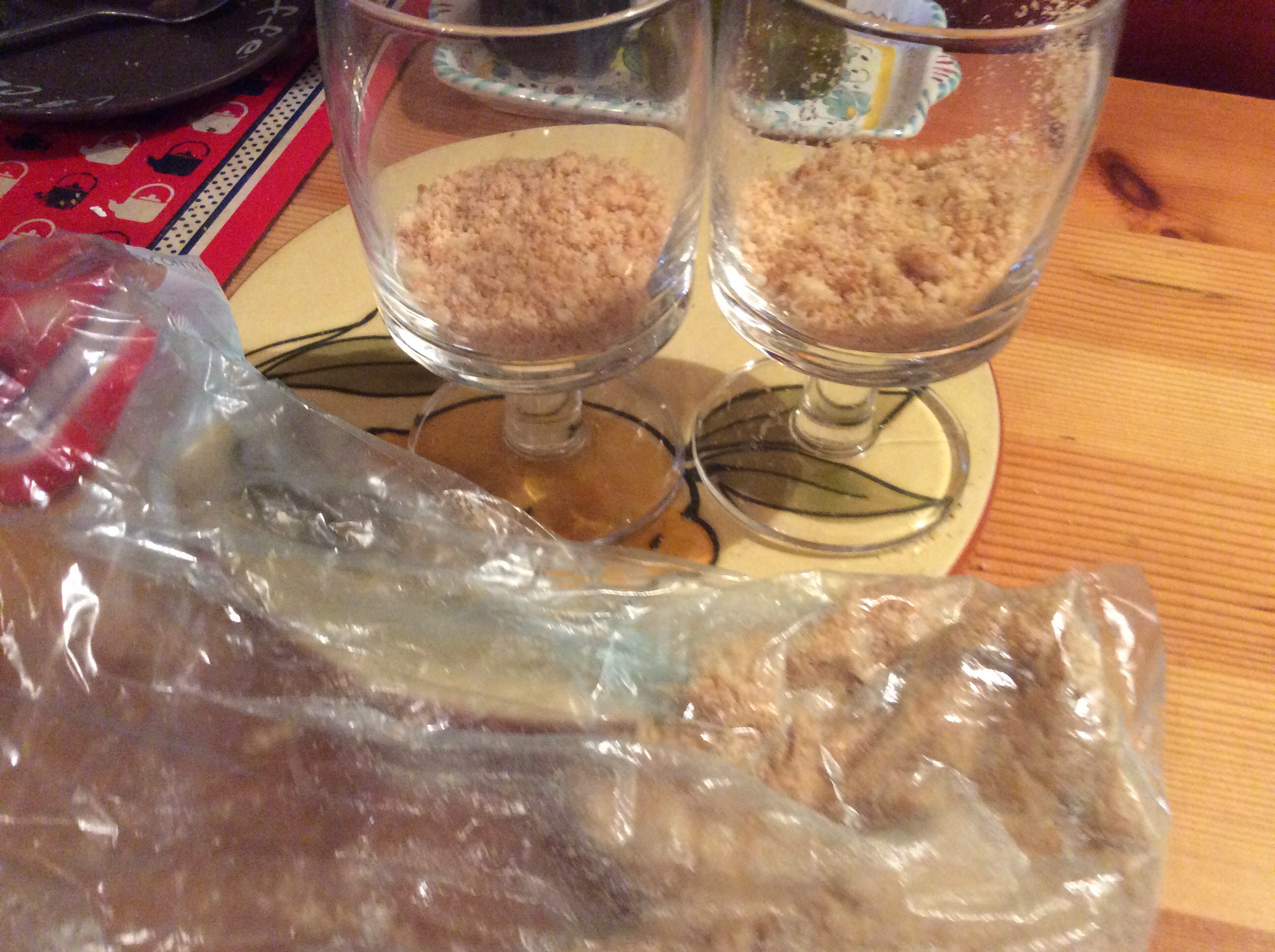
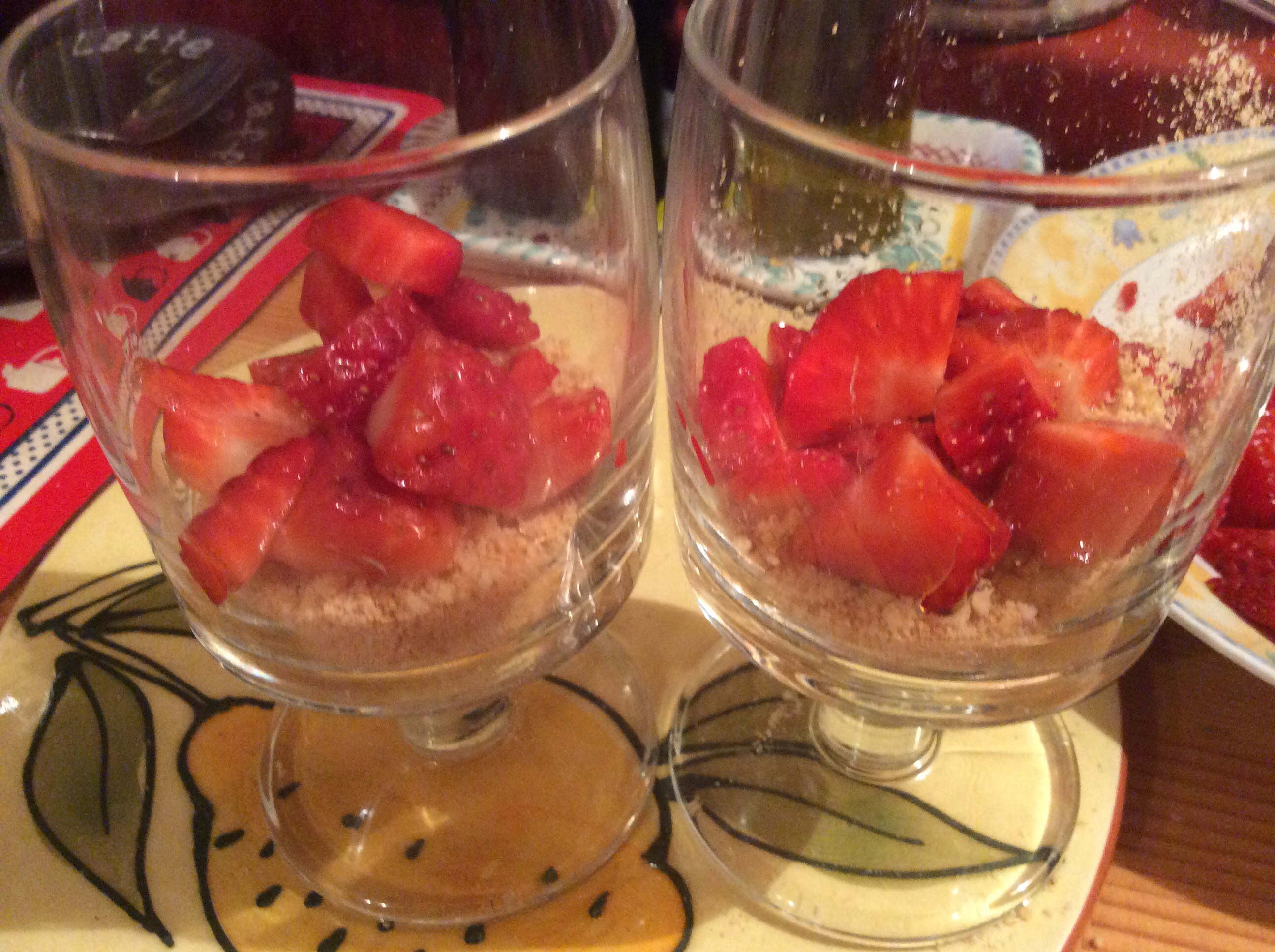
First crush the biscuits. 2/3 per person. I put them in a plastic bag and beat them with a rolling pin. Then put a thin layer of the biscuit crumbs at the bottom of the glasses. 

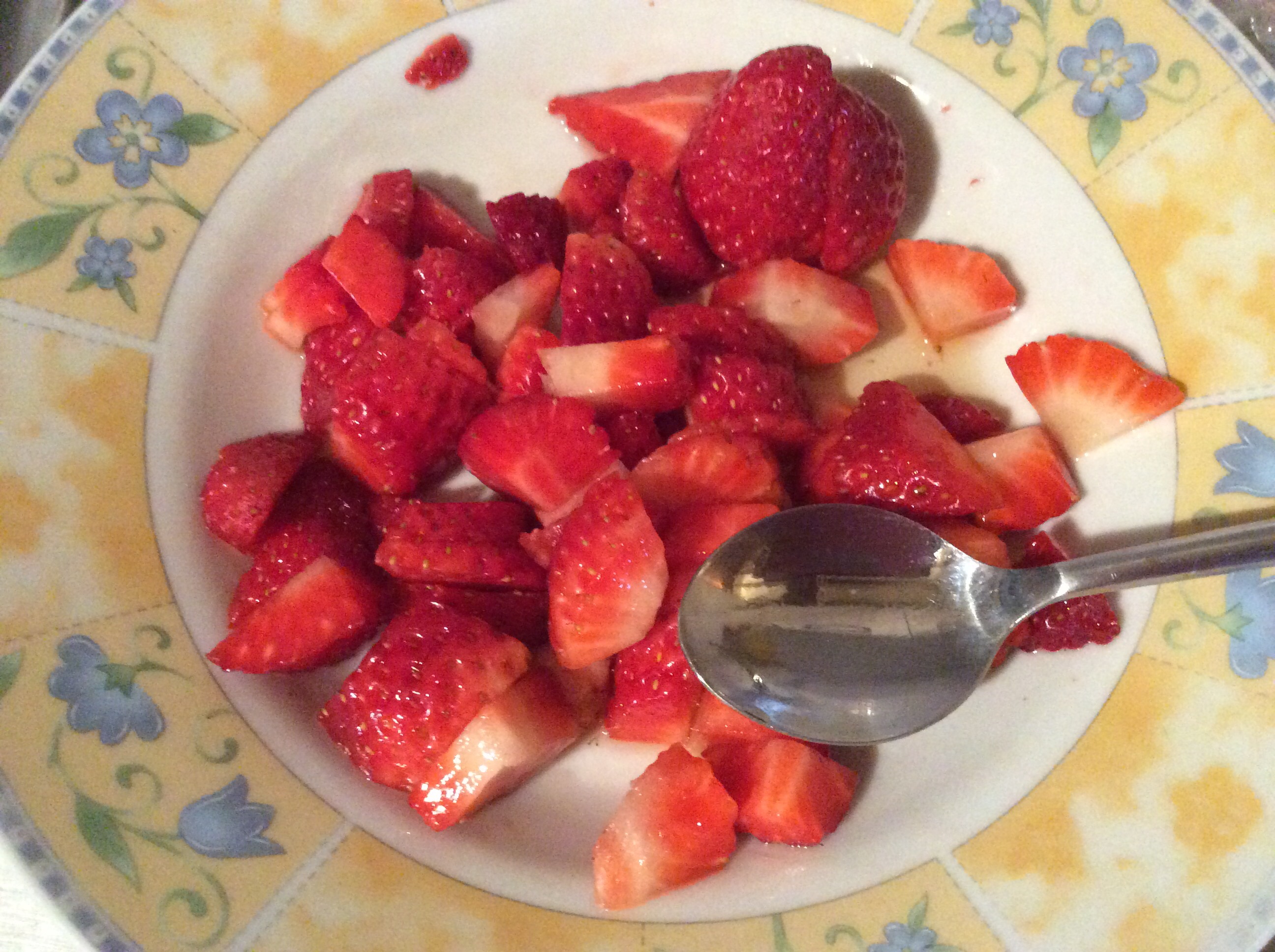
Chop the strawberries into bite sized pieces and soak in Di Saronno for half an hour.  I used one tablespoon per person. If you are using berries or frozen fruits of the forest do the same..


Then put a layer of strawberries (or your chosen berries) on top of the biscuits. Don’t forget the juice!! That’s VERY important! 


Carefully fold the cold custard and whipped cream together then put a big dollop on top of the fruit. 


Now repeat the layers: biscuit crumbs, fruit, cream mixture.

Finish off with some sprinkled biscuit crumbs and a strawberry or berries. 

That’s it! 

Enjoy.

Floating Egg Experiment

Why don’t they do this kind of thing at school? By that I mean in  first or primary school.  

If you catch them young so many more children would be interested  in Science! 

Lizzie demonstrates how to make an egg float and delivers a challenge.  

A quick and fun activity to do at home.  Parent supervision is needed. 

Lemon Cheesecake 

This is a quick, creamy and deliciously lemony Cheesecake. 

Preraratin time:  thirty minutes plus two hours in the fridge. 

About six servings. No bake. No eggs.

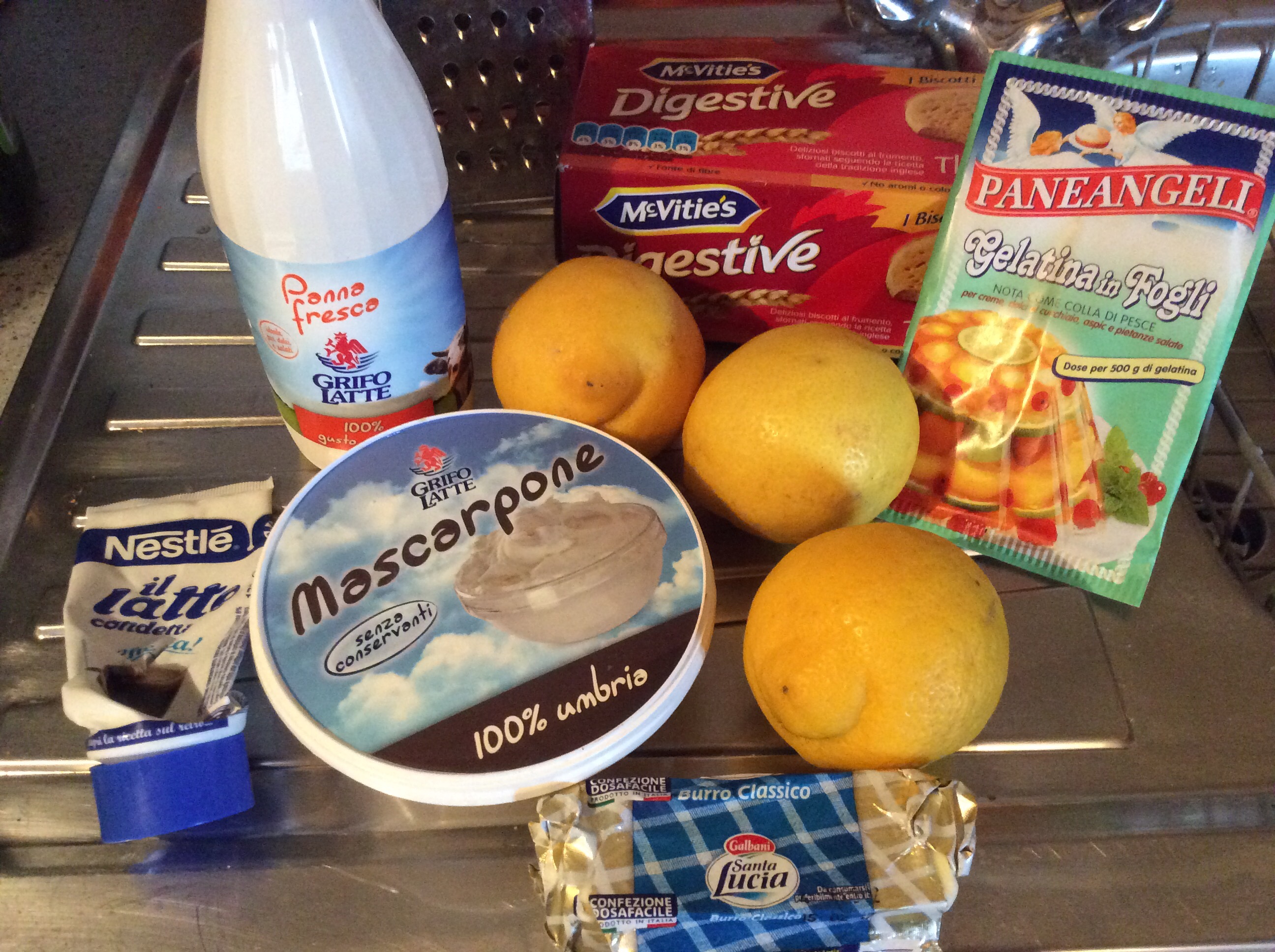
The ingredients


Mascarpone – One tub of full fat. 

Butter – 4 ozs

Nestle Condensed milk – one tube

Fresh Cream – 250mls –  the whipping type. (I used half the one in the photograph.)

McVitie Digestive Biscuits -about 12

Gelatine – 2 sheets 

Lemons – the juice and grated rind of three big ones. 

Method: 

It’s best to watch the video but just a few points to observe.

  • I really believe in getting kids involved in the kitchen and they will enjoy helping to put this Cheesecake together. Even the smallest will have fun smashing the biscuits up . Supervised of course!  Then they can help to spoon the mixture in the dishes before licking the spoon of course! 
  • I followed the instructions on my gelatine advising to soak for ten minutes in cold water and then added it to the cheese and cream mixture prior to whisking . But do use as little water as possible. It helps if you break the gelatine into,small pieces. 
  • There’s no need to add sugar because this is present in the condensed milk. 
  • Choose large juicey good quality lemons. It really does make a difference.  

Butterflies and Chromatography 

Chromatography is a big word but it simply means splitting something down into its basic components. So milk is milk but it’s components are fat, sugar, protein, water etc. 

In the same way but MUCH more fun, we can split colours down into their basic pigments. 

Sounds complicated but it’s a piece of cake!  A,fun activity that even a preschool,child will enjoy (always supervised, of course) . 

Watch the video and you will see! 

Filter Paper Flowers

Great fun for adults and children. 

Great way for kids to learn about colours and diffusion. 

Great presents especially for Mothers Day and Easter. 

​​


 Full instructions for the flowers are here.
All you need are some coffee filter papers and felt tips. 

Paper Flowers

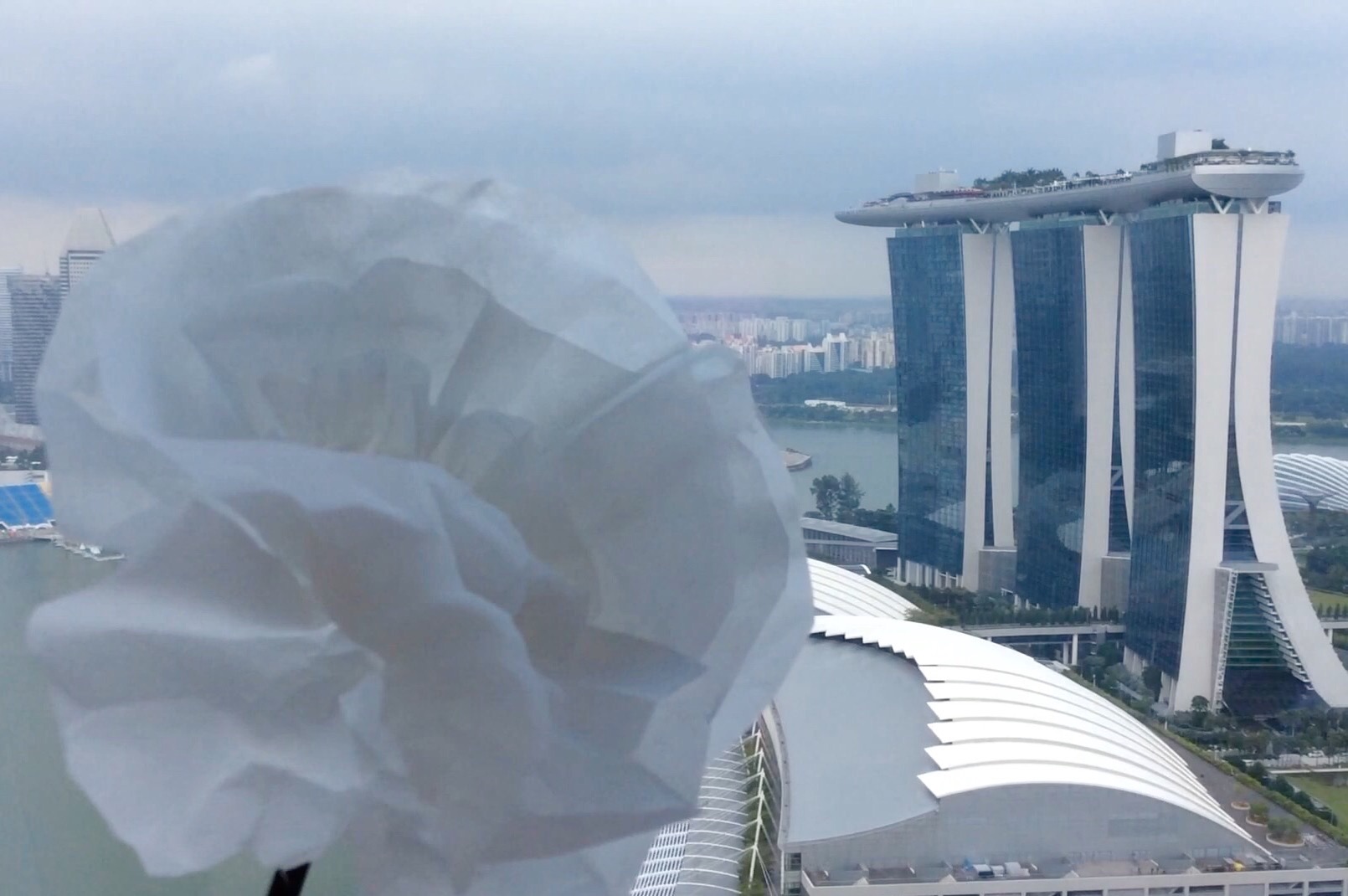
The flowers above are part of the i LightUp Marina Bay in Singapore. 

At night they are illuminated but I really prefer the white purity of the flowers during daylight.  They contrast beautifully with the bright green foliage and blue skyscrapers. .

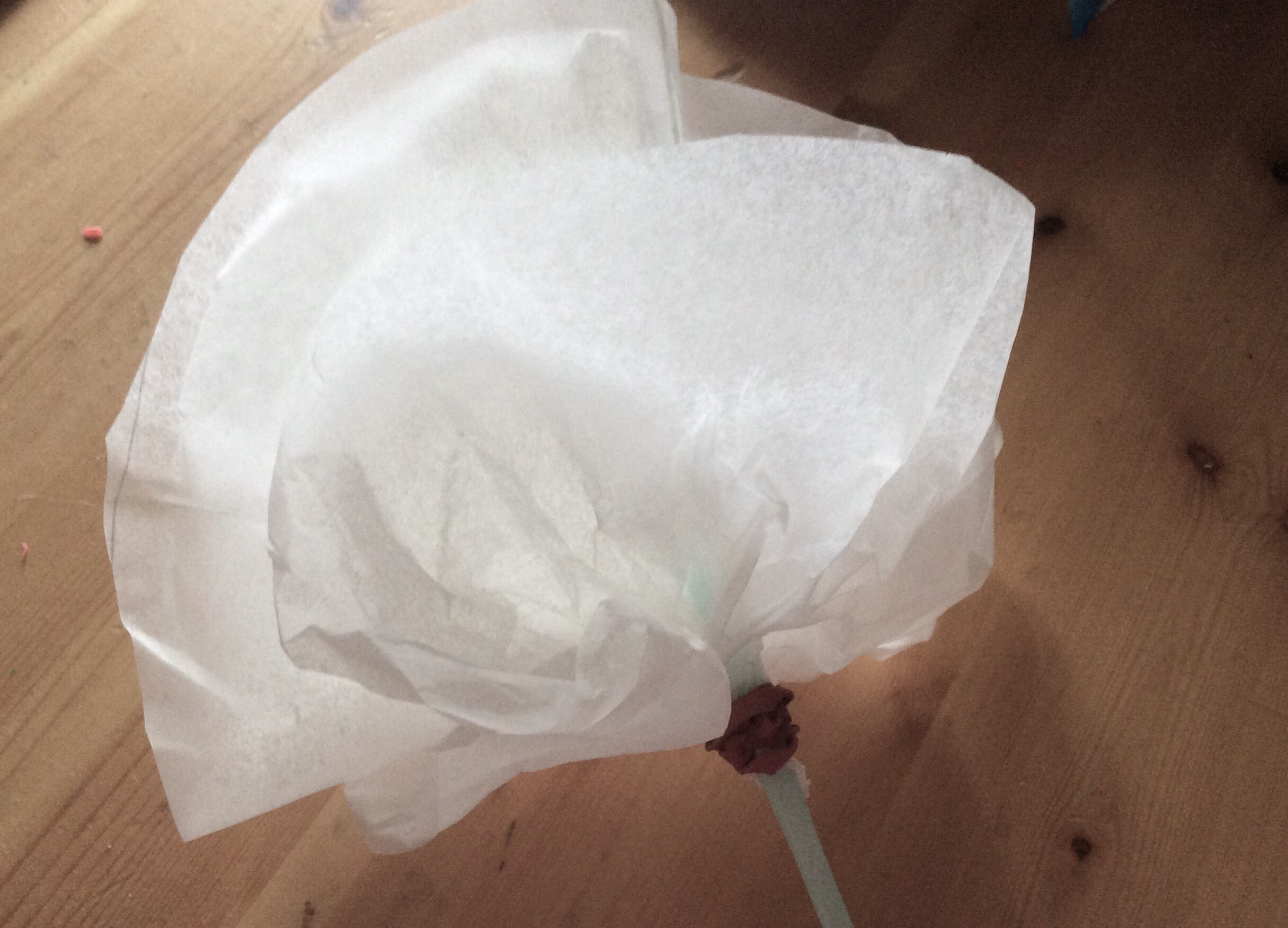
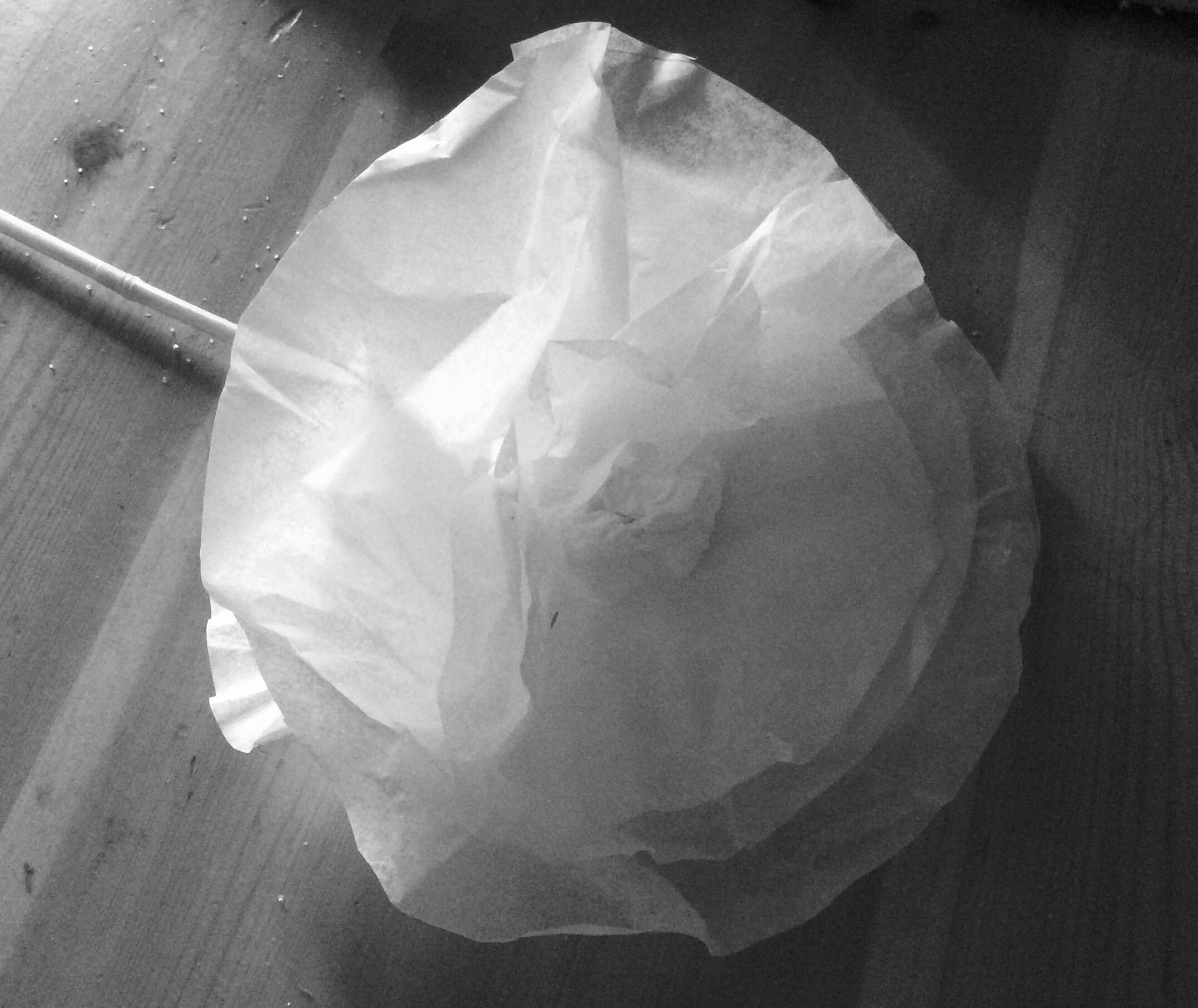
I made a very simple and quick version for my granddaughter from greaseproof paper. She has danced with it every day since so it’s very durable! 

It’s also very easy and something you can enjoy as a family activity. 

All you need is some greaseproof paper, a straw, pipecleaner or wooden skewer for the stalk and some glue and a rubber band. A blob of playdough or blutack helps but not essential.

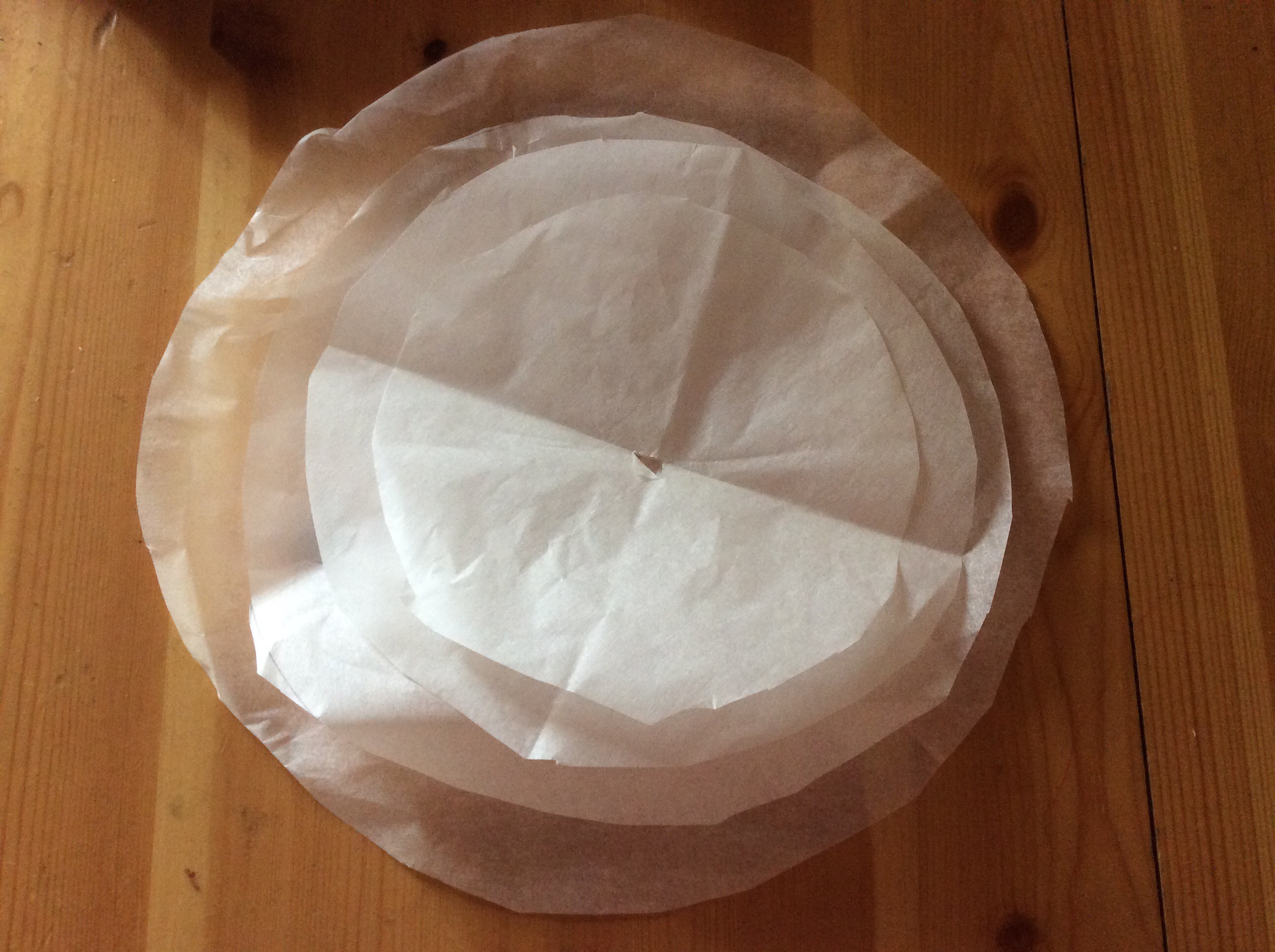
I simply used different sized plates to draw round as templates and cut out four concentric circles from the greaseproof paper.  The size depends on how big you want the finished flower.  Then all you do is place one circle on top of another and make a small hole through the the Centre.  Push the straw (or whatever you have chosen to be the ‘stem’) through the Centre. 

Then it’s simply a matter of scrunching the Centre of the circles together around the stem. A blob of blutack or playdough may help to hold the circles together and stop them coming off the stem.   The more you scrunch the better!  Then I just bind an elastic band to hold the base of the circles to the stem and stick a crumpled bit of tissue to the Centre of the flower. That’s it! 


Feely Box Game 

It’s all about texture and sensory play. 

Make a Feely Box 

A fun game which will improve your child’s sense of touch and increase their vocabulary. 

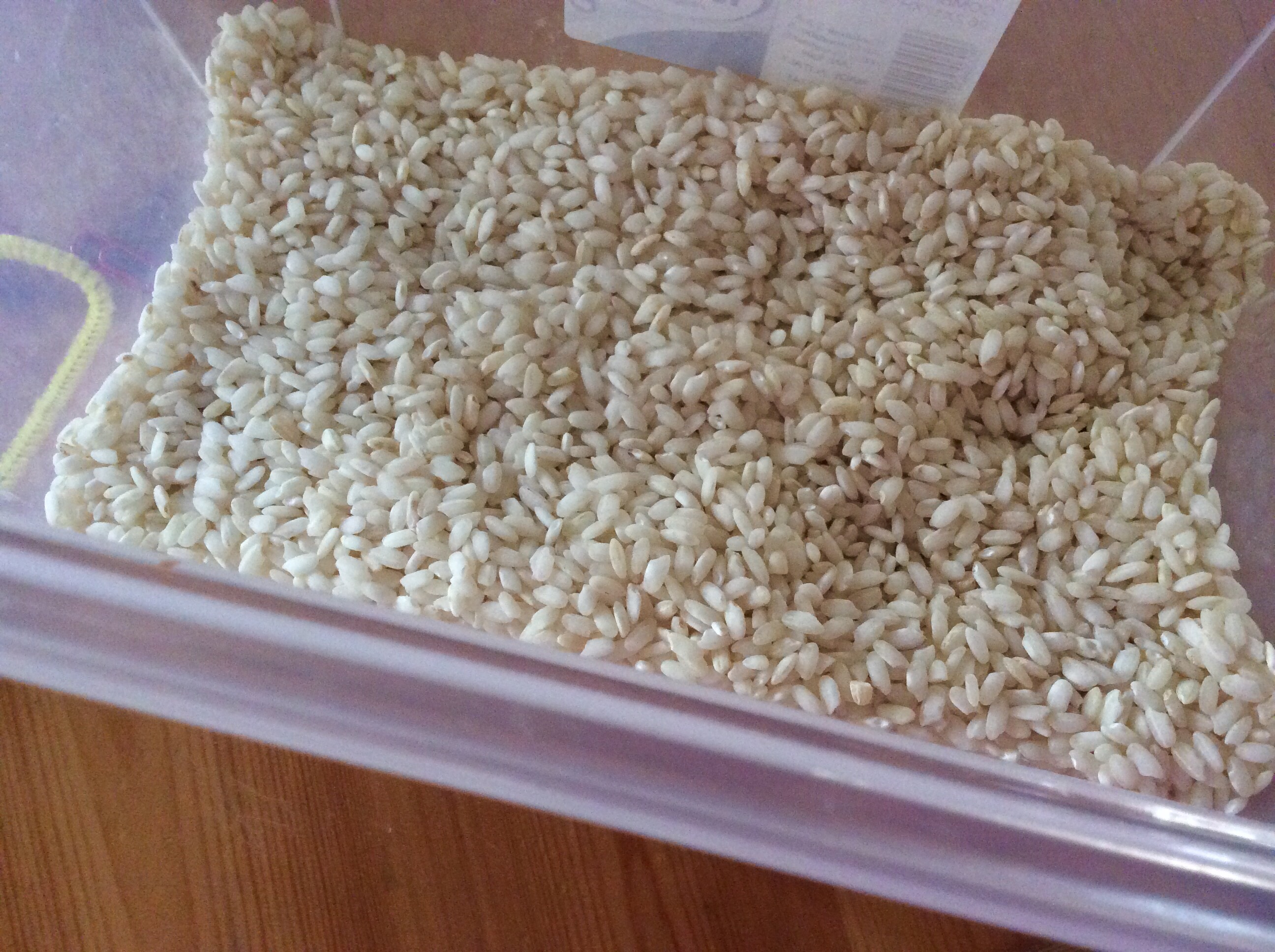
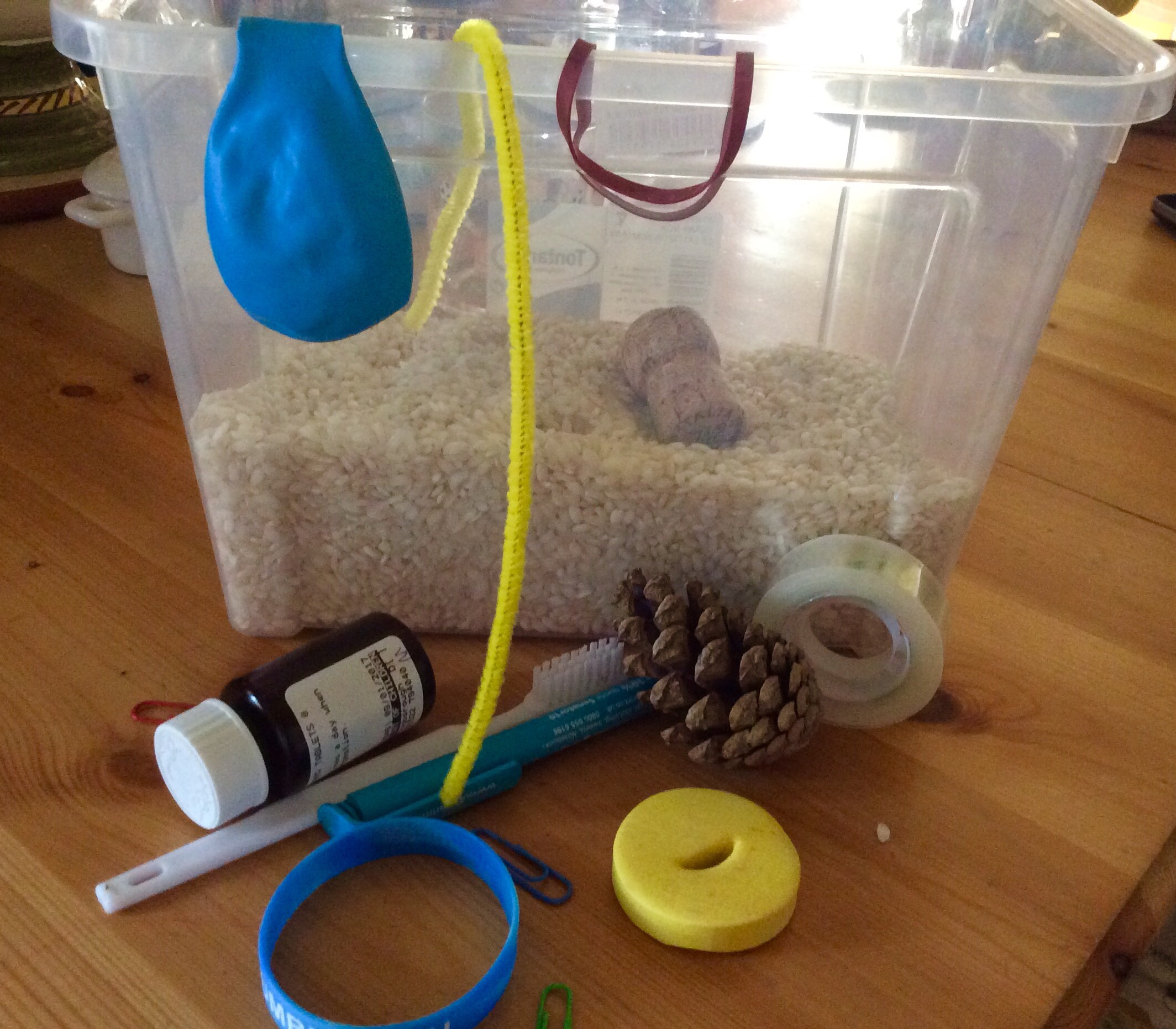
All you need is a plastic box. A 4 litre size is good. 

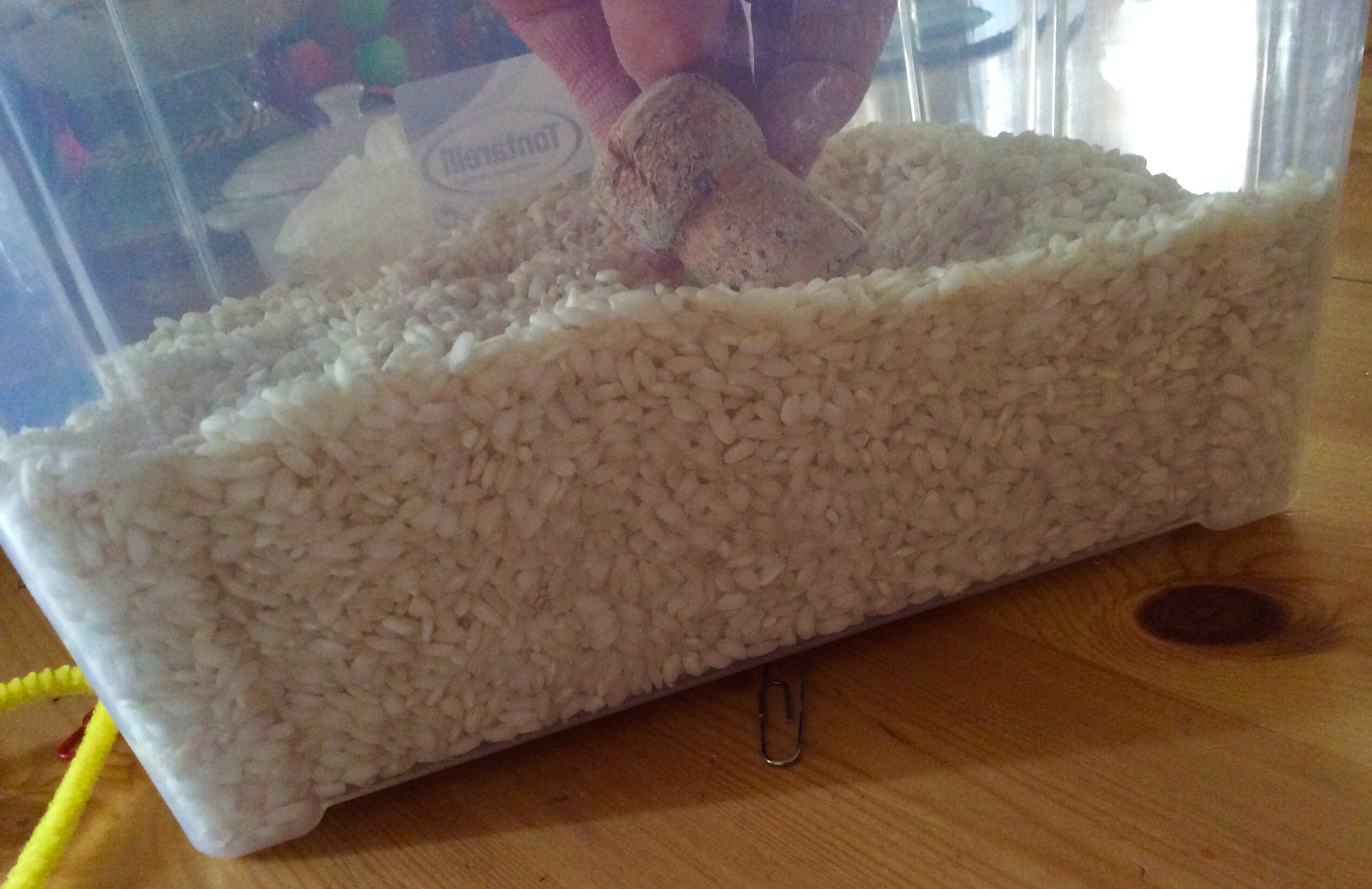
Fill with rice. You will need quite a large quantity so choose the cheapest. 

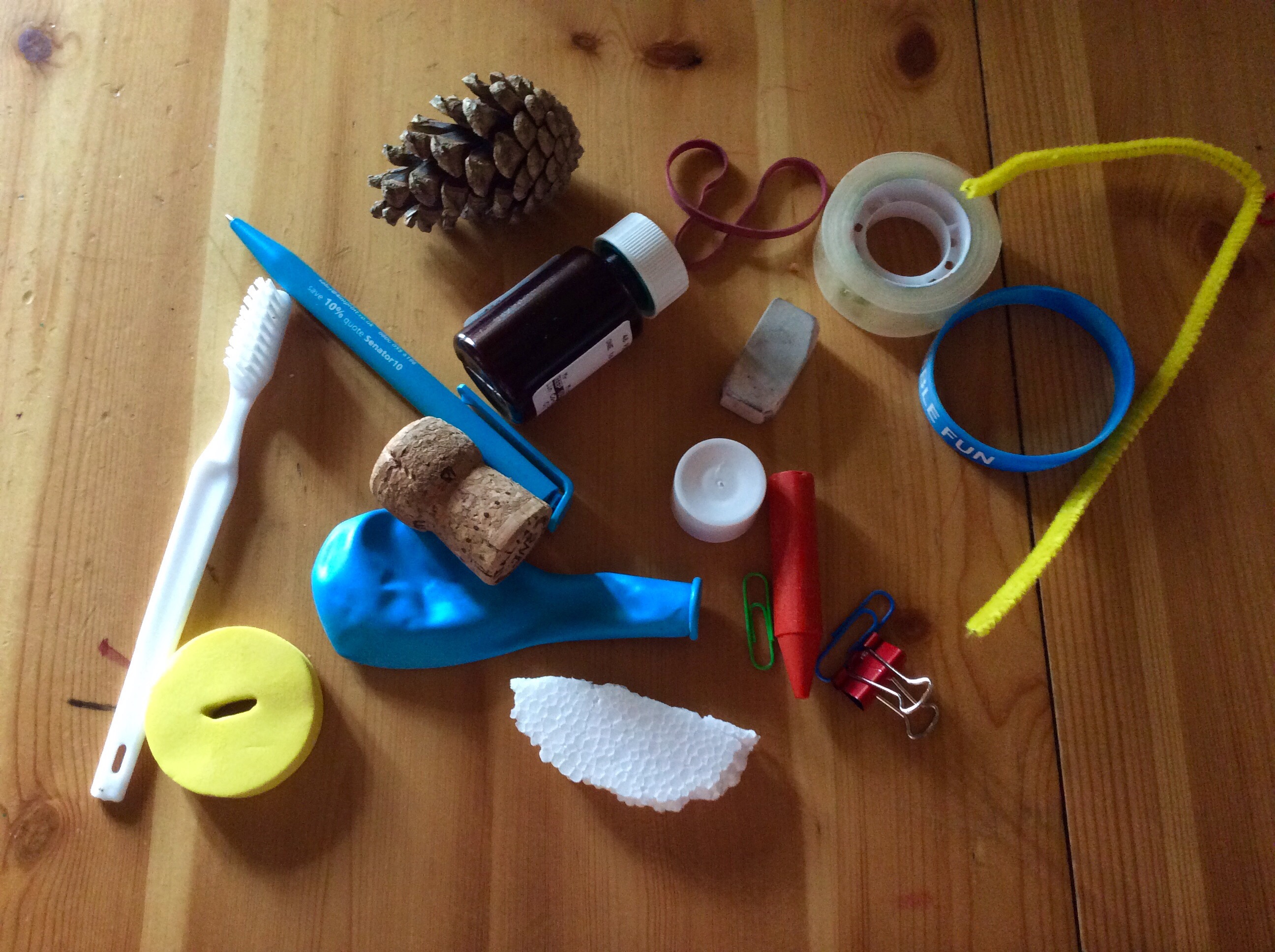
A few items with varying texture. 


To play:

Start with 4 larger objects. So maybe a fir cone, a toothbrush, a pen and a small bottle.

When your child is confident finding these larger objects make it more difficult by hiding small objects like keys and paper clips and small bottle tops and hair slides and bobbles and Lego and tiny toys.

Put the 4 objects on the table and let your child handle them so they becone familiar with  the shape and texture. This is a good opportunity to introduce new texture words like smooth, rough, prickly, spongy, squashy and shape words, round, long, hollow, oval, square, circular etc 


Then hide the objects in the rice and take turns in finding one of the objects by touch. Model the finding process when it’s your turn by describing what you can feel. I usually deliberately find one or two of the ‘wrong’ items so I can model the ‘finding’ vocabulary. 

For example if I was asked to find the toothbrush I could say: 

“I can feel something. It’s long and thin and smooth.  It the same shape as a toothbrush and the handle is smooth like a toothbrush but it hasn’t any bristles.  So it can’t be the toothbrush. I need to try again. ”

It is better if you cover the box with some paper to prevent any visual clues otherwise it’s open to cheating!

Sinking and floating. Programme Two. Preschool Learning from Jumble House

Children learn best through play activities and they LOVE playing with water so here is a programme on sinking and floating plus some fun with number seven, the letter Bb and the colour  blue.


Follow the link below for the programme.

Fun Floating Activities

Keppel Centre for Art Education 

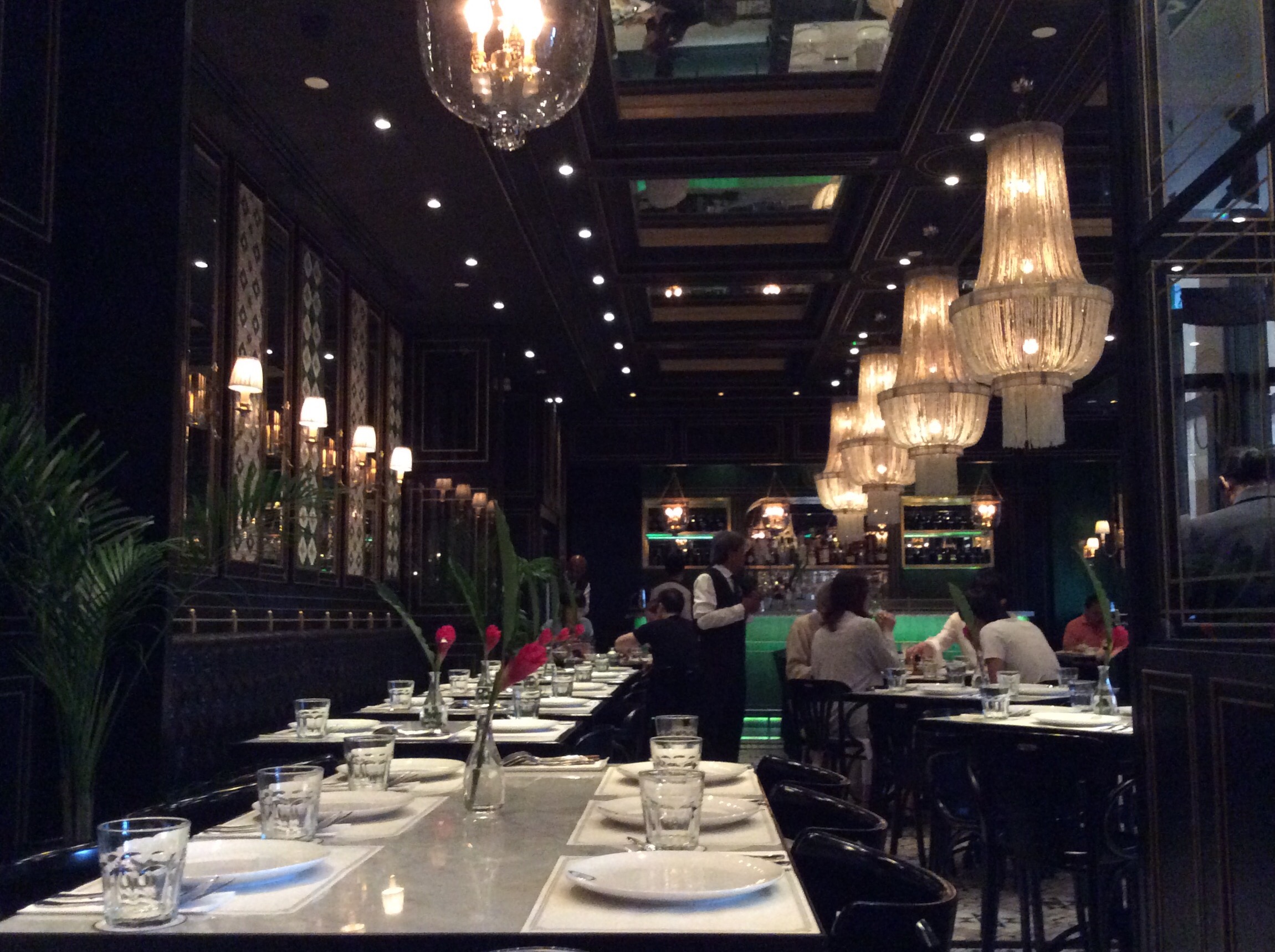
The National Kitchen Restaurant

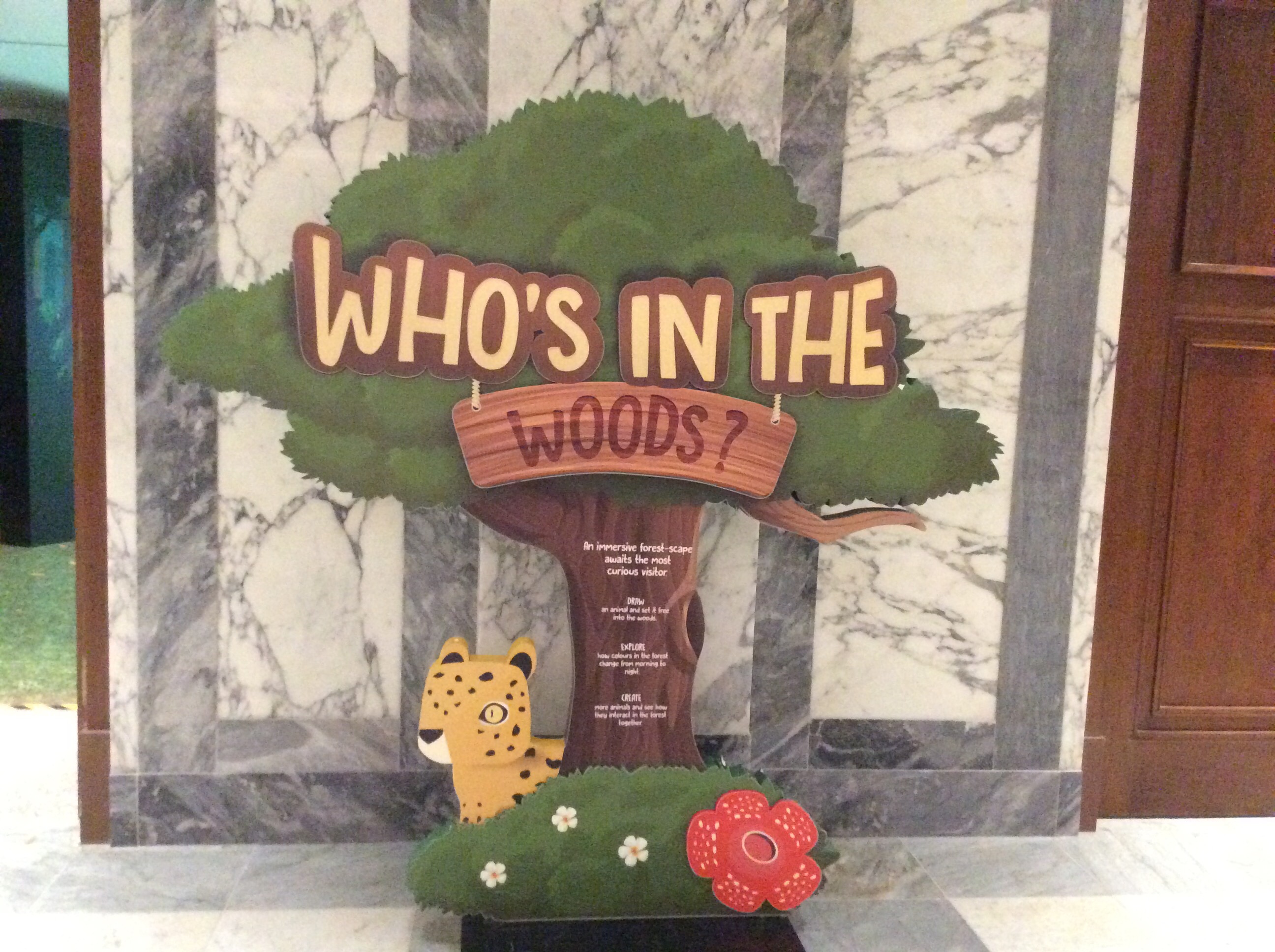
Yesterday following a delicious meal in the exquisite  ‘National Kitchen’ restaurant in the Singapore National Gallery we stumbled on a really fun activity area called ‘Who’s in the Wood’. I’m not sure who enjoyed it most. Our two year old granddaughter or the adults in the party! 


Click here to see more:  ​​​​Who’s in the Woods?

​When we were able to tear ourselves away from ‘We were in for another amazing discovery. The ‘Keppel Centre for Art Education’ 
On the first level of the Gallery, this imaginative Centre for children is made up of four areas. The Art Playscape, Art Corridor, Museum and Project Gallery. The activities and resources encourage children to think creatively, to problem solve and to communicate.  In other words, everything that ‘The Jumbles’ believe in. 

This is such a wonderful learning resource for residents in Singapore but a visit to the National Gallery including the Keppel Centre (and a meal in the’National Kitchen’ ) is also something I would rate as a ‘must’ for families visiting the country. 

For more information and amazing photographs, click on the link below. 

      Keppel Centre