
Yes!
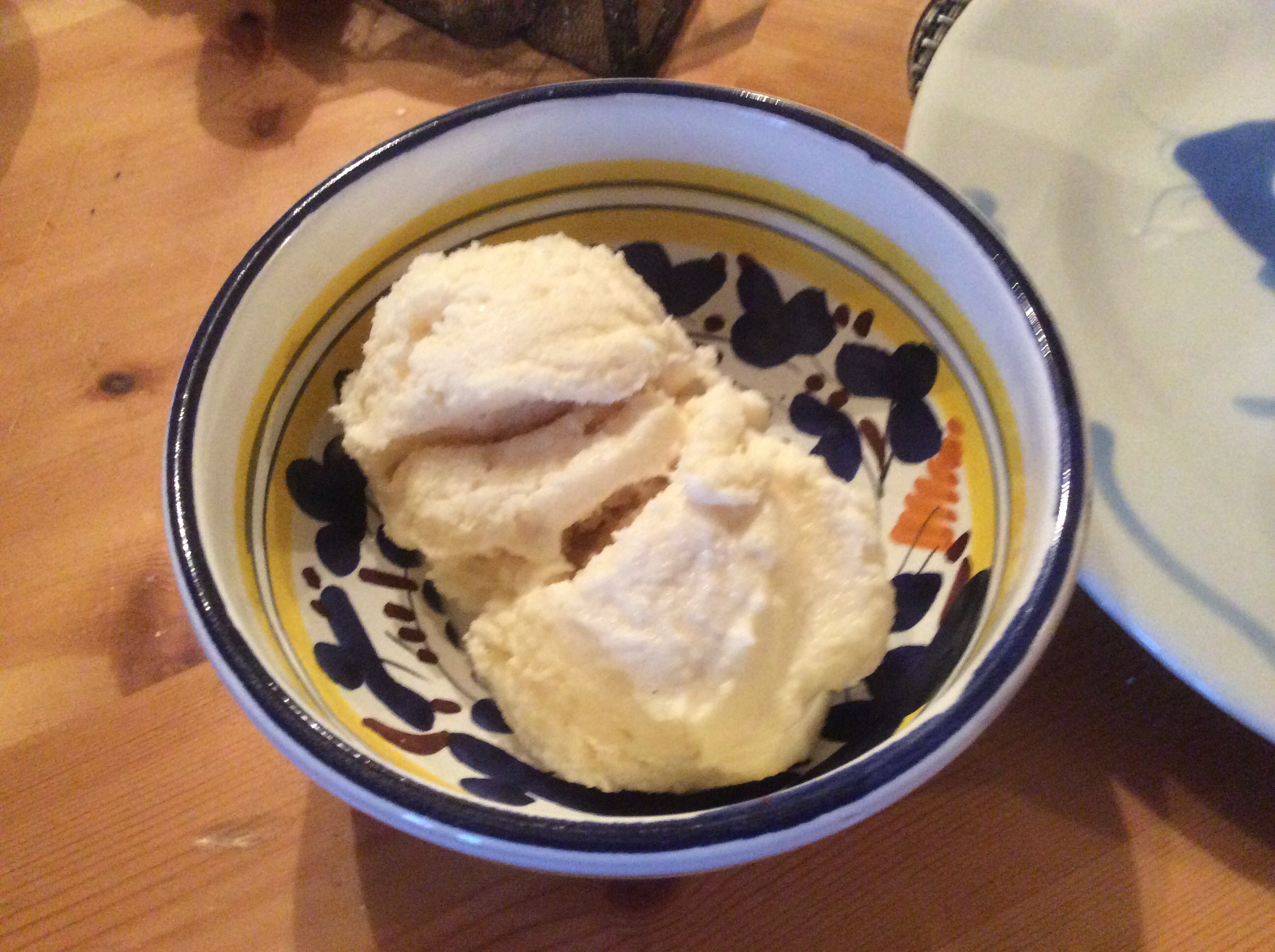
The creamiest ice cream in just ten minutes .
No additives. Natural ingredients.
Click on the link below for video instructions.
Yes!
The creamiest ice cream in just ten minutes .
No additives. Natural ingredients.
Click on the link below for video instructions.
What IS a cloud? Where do they come from? What do they feel like? Can you sit on one? Can you catch one ?
Children ask lots of difficult questions!
Often they require more than just a verbal answer and that’s when Lizzie Witch comes to the rescue! The Lizzie Witch Science Programmes explain the most complicated of scientific concepts with easy-to-understand and fun presentations. They motivate children to ask even more questions, to investigate the world around them and, I hope, to develop a love of science!
In this programme Lizzie explores the subject of ‘clouds’
Click here for the science lesson on clouds
A fun and easy investigation for children from 4 years upwards.
At Jumble Fun we don’t spoon feed ! We want youngsters to ask questions, to think creatively, to try out their own experiments and not just copy ours!
Children need to be encouraged to predict the possible results before watching or doing an investigation and to draw conclusions from the results.
This experiment is a fun way colour mixing as well introducing acid reactions.
Click on this link watch the video

Moulds are plants but not green plants. They don’t have the green pigment chlorophyll and so cannot produce their own food. They belong to a very large group of plants called FUNGI. The same group that our mushrooms and toadstools belong to. But Moulds are very, very tiny and their bodies are made up of thin white threads like cotton.
They reproduce in the same way as mushrooms and toadstools by producing black spores. When these land on a suitable food source they put out hyphae which grow into the food. These spores are in the air everywhere and we can’t get away from them. Even when you seal food in a plastic bag or an airtight container there will already be spores on the food so it will go bad. How quickly depends on the temperature. That’s something you can investigate!
They get their food by secreting enzymes that break down whatever they are growing on which is often our food ! Then the digested food is absorbed by the hyphae.

So. We know that Moulds make food go bad and that is very annoying! Do Moulds have any uses?
Well yes! We would be in a mess without them! Literally !
Like all Fungi, Moulds help to break down (decompose ) dead animals and plants and any odd bits of food that careless people have left lying around. They are very active in compost heaps. While breaking down the dead plants and animals they release nitrogen carbon and oxygen back into the atmosphere.
There is also one very important mould from which we obtain the antibiotic Penicillin. To learn more about this click on this link:
PENICILLIN
Do you like cheese? Well, we wouldn’t have that if it wasn’t for Moulds !! Check that out here:
BLUE STILTON CHEESE PRODUCTION
Things for you to do:
Please remember that you must always check with an adult before doing any investigations and before looking anything up on the Internet. Mould spores are a risk to health so never smell Moulds! The Mould garden should be disposed of without removing the lid.
1. Grow a mould garden : see the JUMBLES DOING THIS HERE:
2. Find out how temperature affects the growth of mould.
To do this you will need 4 plastic bags . The type that seal with little zips are best. Four similar items of food, for example four slices of bread from the same loaf.
All you need to do is sprinkle each slice of bread with just a tiny bit of water. Half a teaspoon is sufficient. Then seal in the bags. Put one in the freezer. One in the fridge and one should be left out in a cool room. He last one should be placed somewhere warm like on a sunny window ledge.
First predict what you think will happen.
Then check very couple of days and record your results.
At the end draw your conclusions. What happened ? Why do you think this happened?
3. If you would like to see a speeded up video of Moulds growing and reproducing click on this link:
Lizzie Witch saw this as an excellent opportunity to teach us all about evaporation and steam and condensation.
To watch the programme just click on this link (and please subscribe to our channel):- Evaporation Programme
Lizzie left us with a challenge and hear a a couple more:
1. Water evaporates more quickly when it is warm than when it is cool. Can you think of a way to,prove that this statement is true?
2. Take two identical pieces of cloth. Soak them in water and then squeeze the water out. Place one in a sealed plastic bag and spread the other out on the floor in a sunny place. What do you think will happen by the same time tomorrow?
Check every couple of hours, record what you see and explain the results.
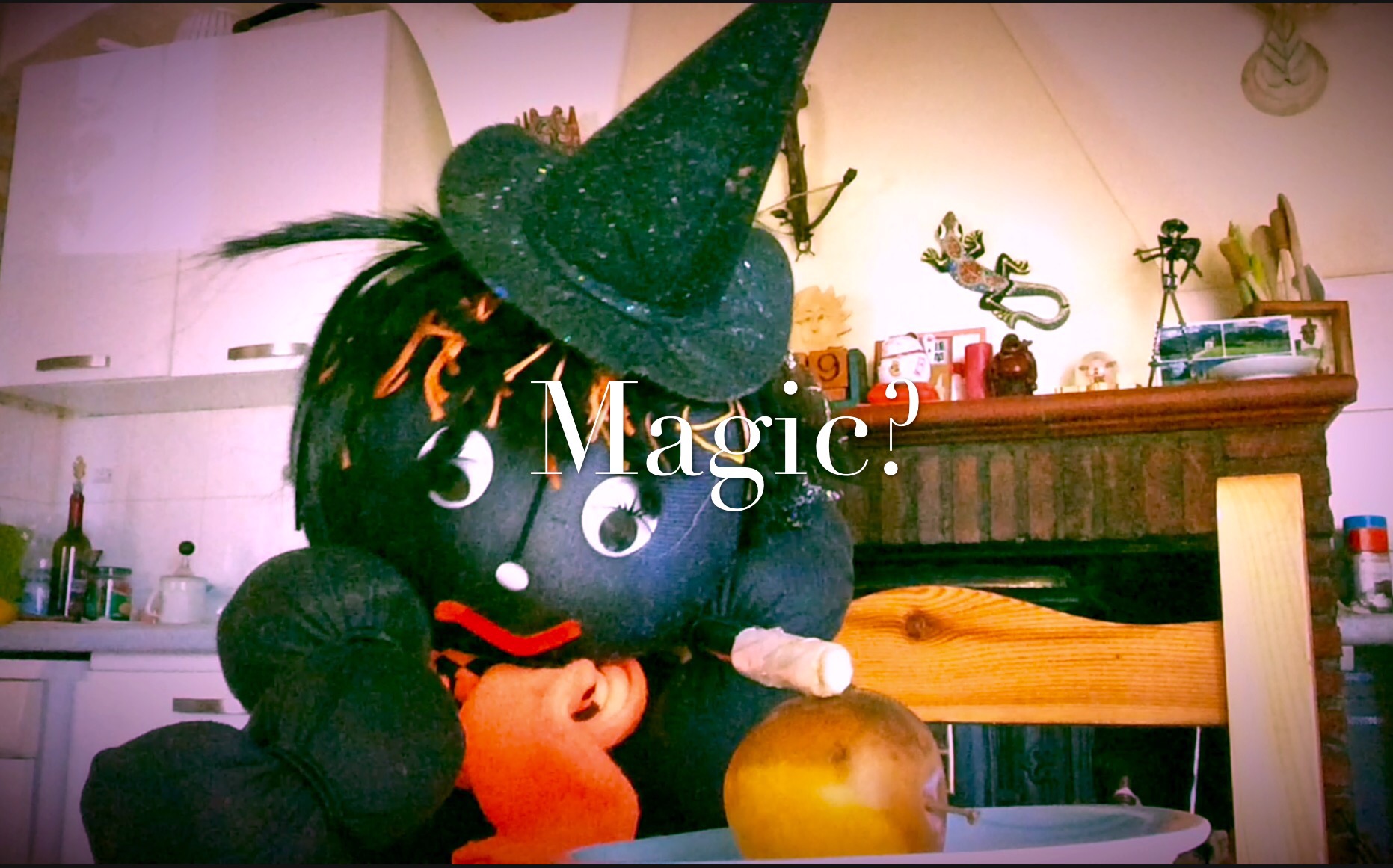
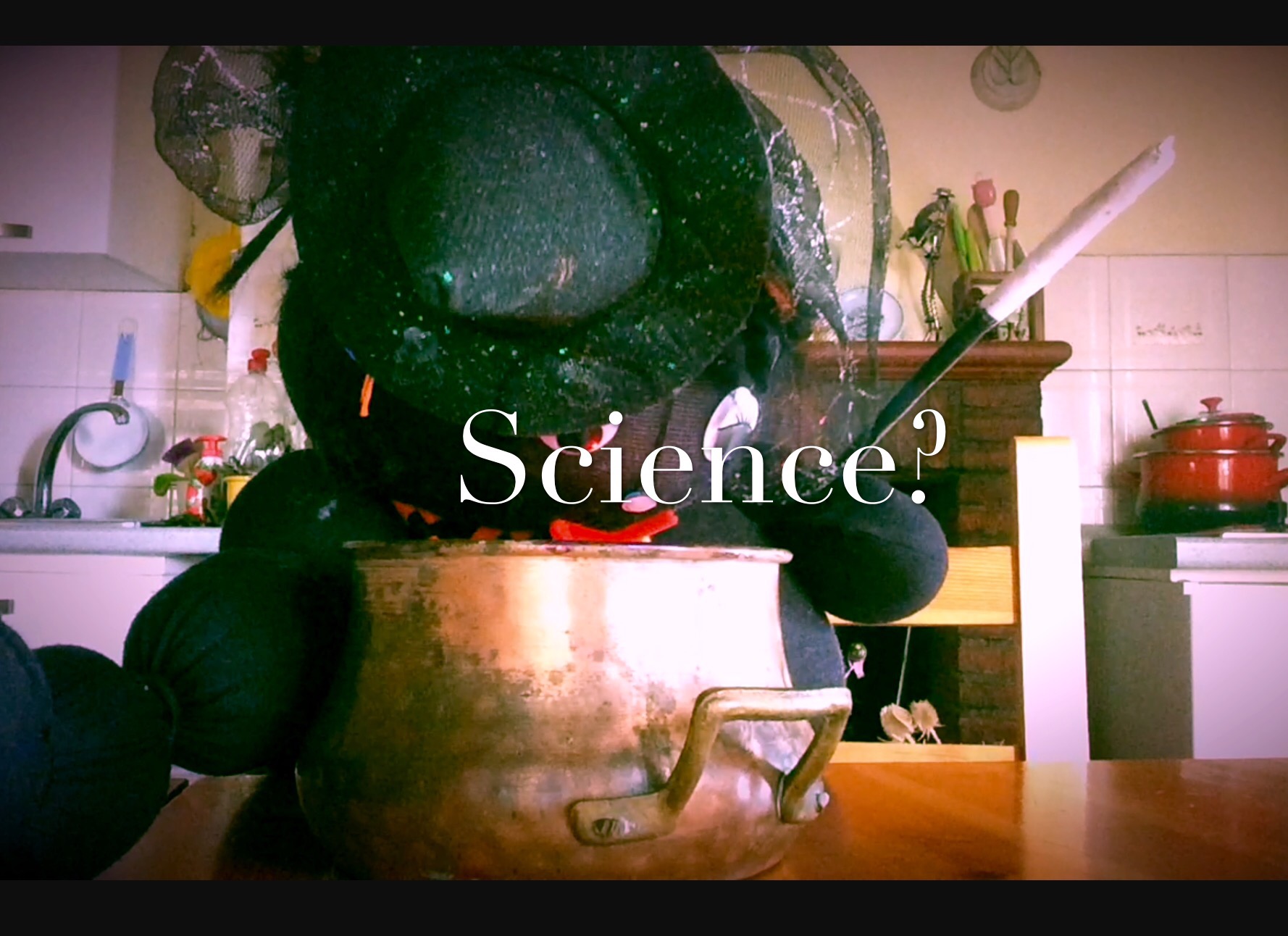
Is it Magic or is it Science?
We never know when Lizzie is around but you can guarantee that something will go wrong and that she will make a lot of mess!
It is also guaranteed that she she will make learning basic scientific concepts very magical for young audiences
AND that this is one series of children’s programmes that adults won’t mind watching too!
Lizzie has a glass jar containing a very weird assortment of food.
Is she going to cook something?
Will she make them disappear ?
Will she say a magic spell and change them into a cake or a frog or ……?
Click on this link to watch the video. Maybe you will find out ! Maybe you won’t ! But if you don’t try you will never know!
Fun Science With Lizzie Witch. Food preservation.

Can you predict which egg will sink? Or which egg will spin faster?
Have fun with Lizzie Witch and learn a little about the strange properties of eggs!
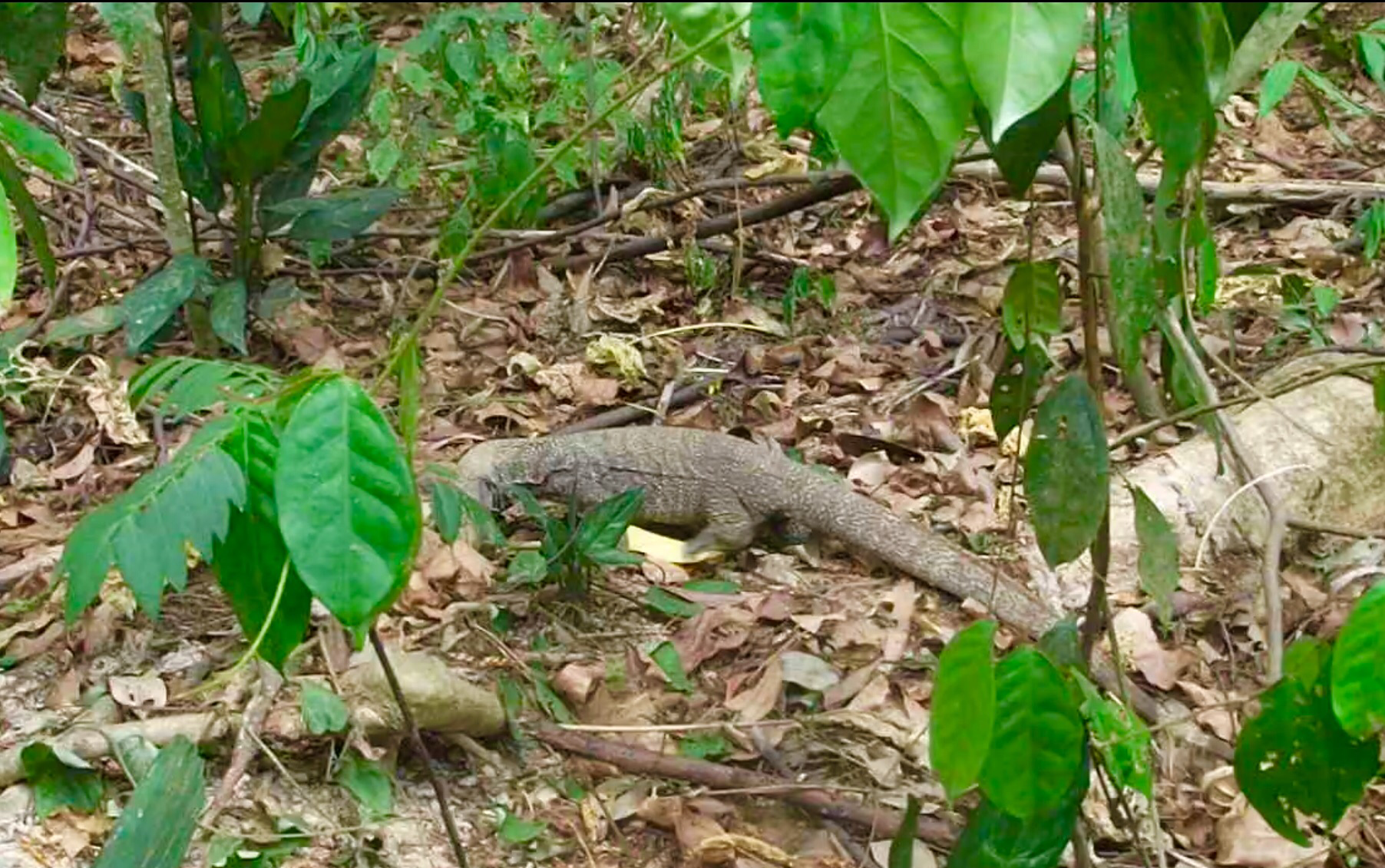
Remember our Little Lizzie Lizard? (See previous blog post).
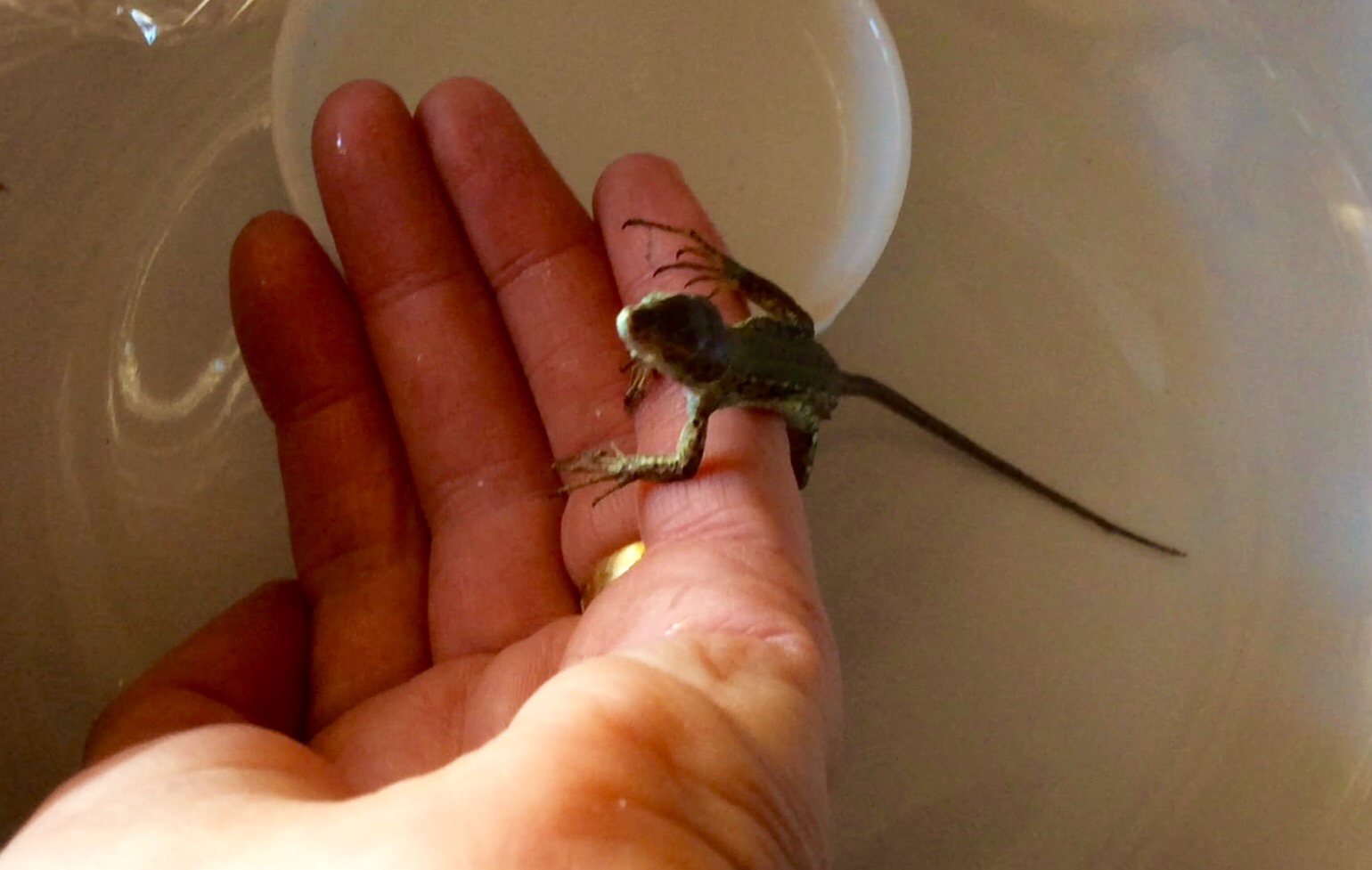
She looks a bit small compared with this one doesn’t she? But then Lizzie is a typical European lizard and they don’t grow very big. These lizards are found in much hotter places like Africa and Asia. We filmed this one in Singapore.
It is a Monitor Lizard and they DO grow very big! (Although a few are very tiny)
They do, however share some of the same characteristics as Lizzie Lizard. They are cold bloodied, have a scaley body, a partly detachable tail which will regrow and they lay eggs.
Unlike Lizzie, however, they are carnivorous and eat fish and insects and birds and small mammals.
Most are completely harmless but the Komodo Dragon (the largest Monitor lizard) has a weak venom (poison).
They are also very good swimmers! (Click on the link below).
https://youtu.be/joVk-w5P26s
There is an old story (a legend) about monitor lizards which says that they are a sign that crocodiles are near by!
We didn’t see any in Singapore! This story probably came about because these lizards stand on their hind legs to check if any predators are near.

Here’s a short clip of a monitor lizard:
.
It’s Lizzie Witch again !
Learn how to change the colour of flowers without using a magic spell !
Please remember that it is always advisable for an adult to supervise these activities.
Is it magic or is it clever science and what is that ‘magic’ powder?
Lizzie has a lot of fun and makes a lot of mess as usual whilst presenting some basic scientific concepts and fun investigations you can do at home.
But don’t be content with just copying what Lizzie does!
Science is all about trial and error.
About making mistakes and learning from them.
About changing elements of the experiment to see what happens.
In this experiment you could try changing
Have fun!
 Creative Learning for Young Children