‘Tell me a story….’ a request that used to be heard and acted upon by parents of under-fives at least once a day.
Now sadly this, along with the traditional bedtime story, is often replaced by a narrated or cartoon story viewed on a tablet or phone.
But how important is this ‘tell me a story’ time? How important is a bedtime story?
First and formost it is the sharing of quality time that is so important. The emotional and physical closeness that is present when a child cuddles up with its parent or carer to read or listen to a story is essential for emotional development. It is telling the child, ‘You are important to me. I enjoy being with you.’ Messages that are vital for boosting self-esteem. It also sets an example. The child sees that books and stories are important to you. They are not just things for kids.
Through stories children begin to make sense of our complicated world. It’s cultures. It’s traditions. It’s acceptable behaviour and behaviour that is not acceptable. They identify with characters, emotions and experiences thus realising that their own feelings and reactions are shared by others and are not unique.
Reading and making up stories also has a long term benefit. The more books children read or have read to them, the more ideas, characters and settings are stored in their memories. They will gather different beginnings and endings and absorb the writing styles of different genrés. This will be greatly improve their own writing and prove invaluable during their school years.
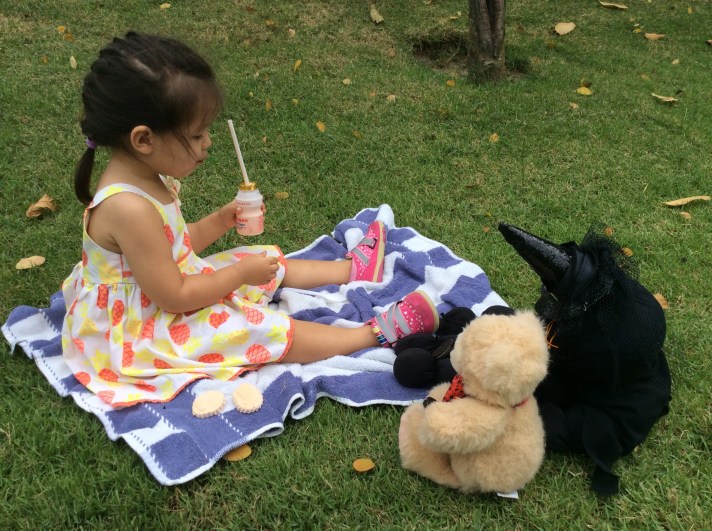
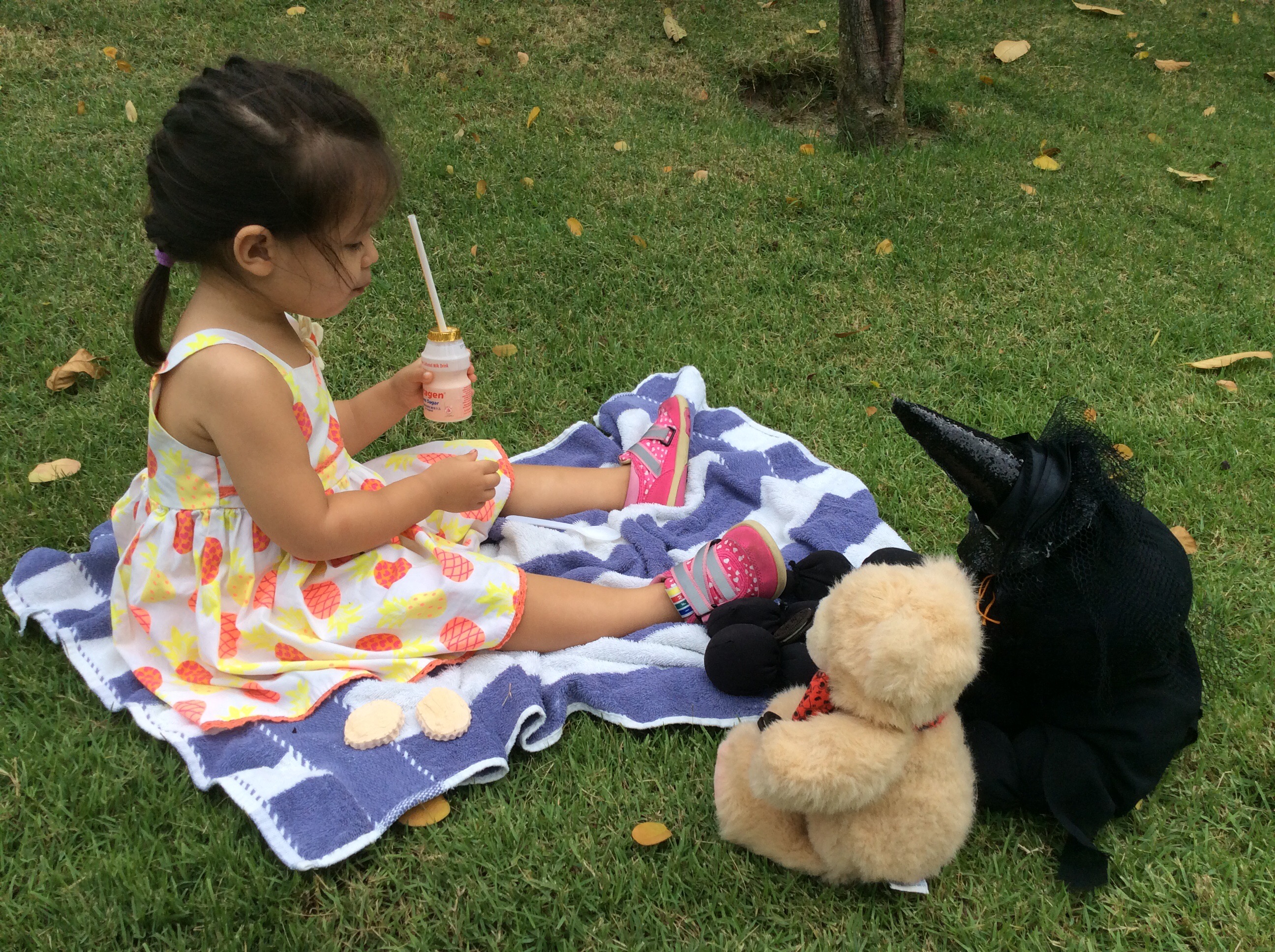
Watch two and three year olds playing with their toys. Often they will be acting out everyday routines like mealtimes and bedtimes. Teddies and dolls will be fed and bathed and put to bed. This is a way of understanding routine. Of rehearsing behaviours and roles. Often the toys ‘become’ the children and they themselves take on the role of mum or dad.
Sometimes the situation will be a new one. An experience like a first visit to the doctor, or dentist or playschool. This kind of play is important because it helps the child to understand and to come to terms with new experiences.
Children will also ‘act out’ stories they have read. This kind of multi sensory play improves understanding and increases vocabulary. As they move the characters of the story around they remember and learn to use in context, words and phrases from the story. This helps them to order events chronologically and to come to understand consequences. Skills essential to future learning and life in general.
How can you help?
- By ensuring you have a selection of good picture books available at home. A mixture of traditional tales and good modern storybooks.
- By keeping or introducing a bedtime routine that includes reading a book together.
- By reading yourself so your child sees that this is something you enjoy too.
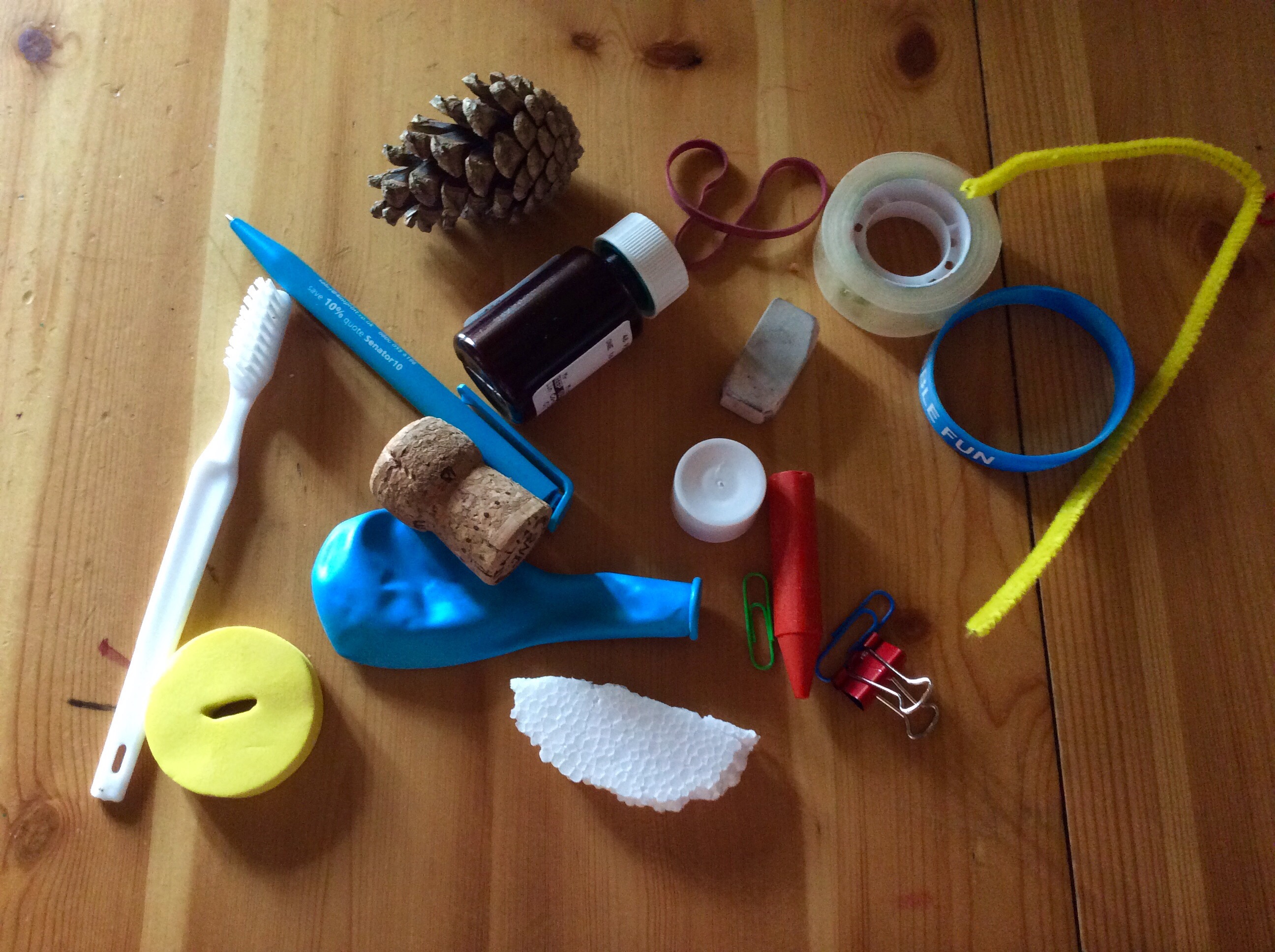
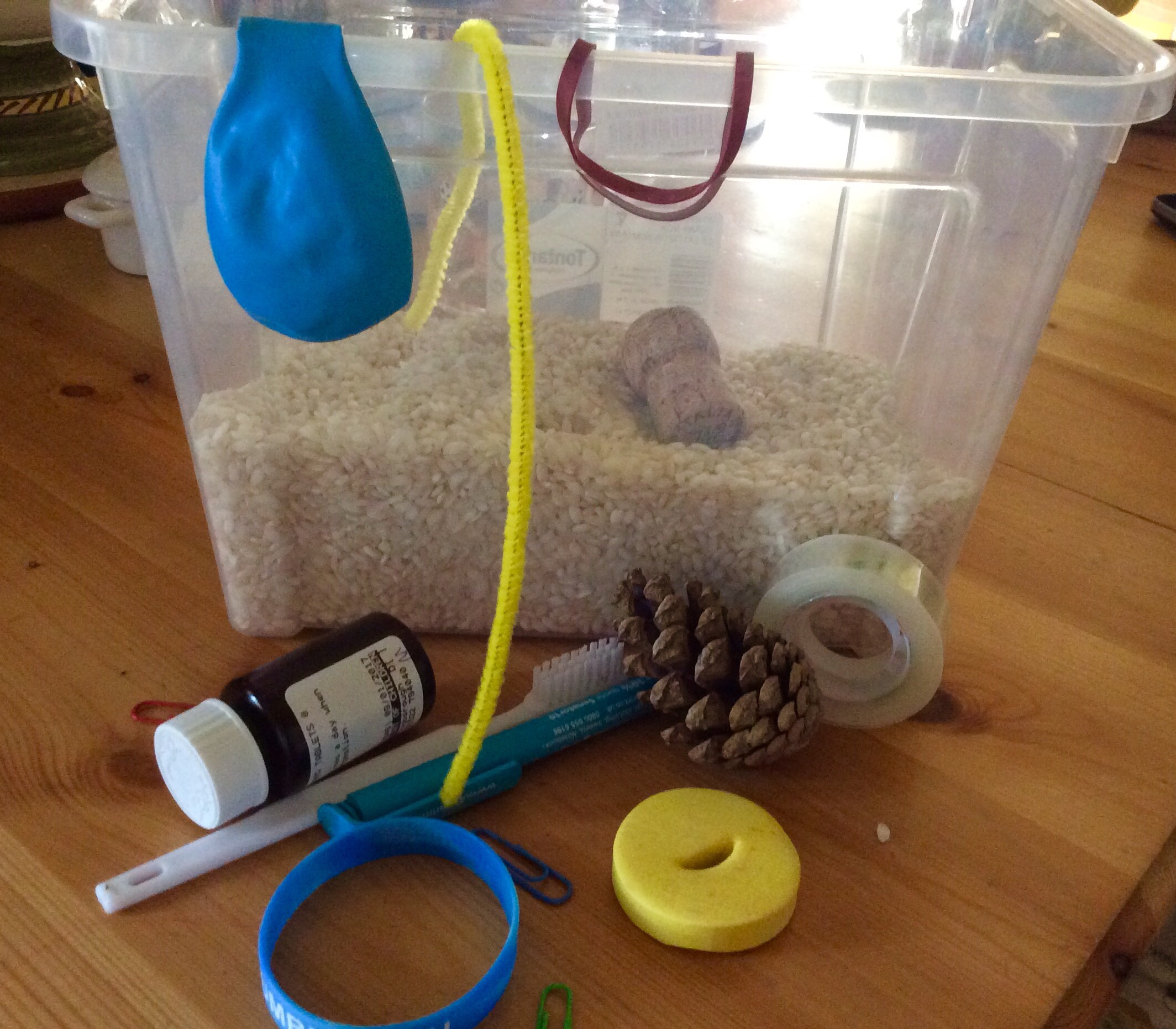
- By providing an accessible box of bits and pieces that can be used to ‘act out’ stories or make up stories of their own. Children don’t need models of animals and people. They don’t need real garages, and cars and castles. In fact these have been found to present a barrier to creativity. They will happily use cotton wool for a sheep, a roughly mounded piece of plasticine for a dog, a pipecleaner for a person. Plastic margarine tubs become swimming pools or boats, toilet roll tubes cars, trains or towers. Don’t interfere! Their imagination is much better than yours.
- By sharing their experiences. Children should not require attention 100% of the time. They need to be able to play on their own but they will benefit from your presence for short periods during the day. You will learn a lot about their feelings and understanding of life by simply sitting and watching them act out .
- By encouraging them to ‘act out’ their favourite stories. Try this too when your child keeps asking for the same story to be read over and over again. This may be just because they like the story but it could also be because they are finding some event or character or message difficult to understand. If this is the case then ‘acting out’ the story should help.
- Why not have a special ‘storytime’ session each week when everyone either makes up a short story or takes a traditional story or nursery rhyme and chooses a way to tell it with mime, pictures, cartoons, or puppets.
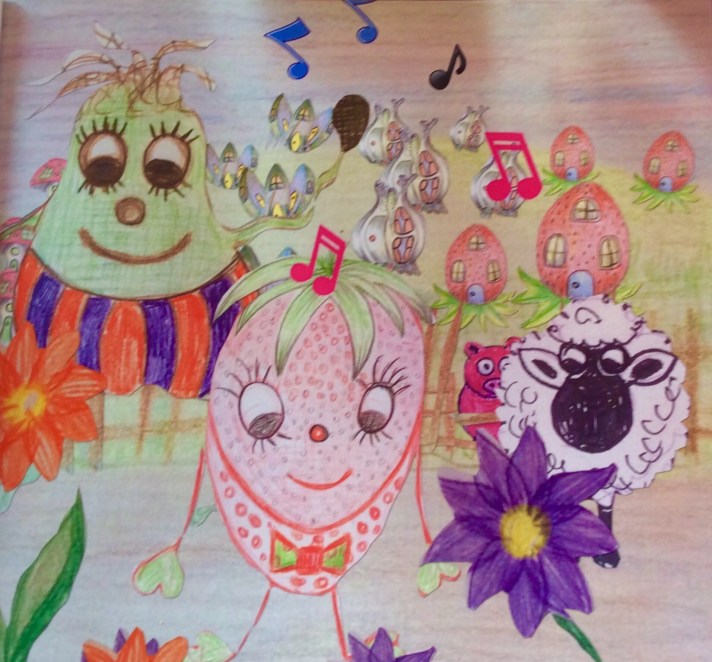
STORIES SET ON FIVE A DAY HILL
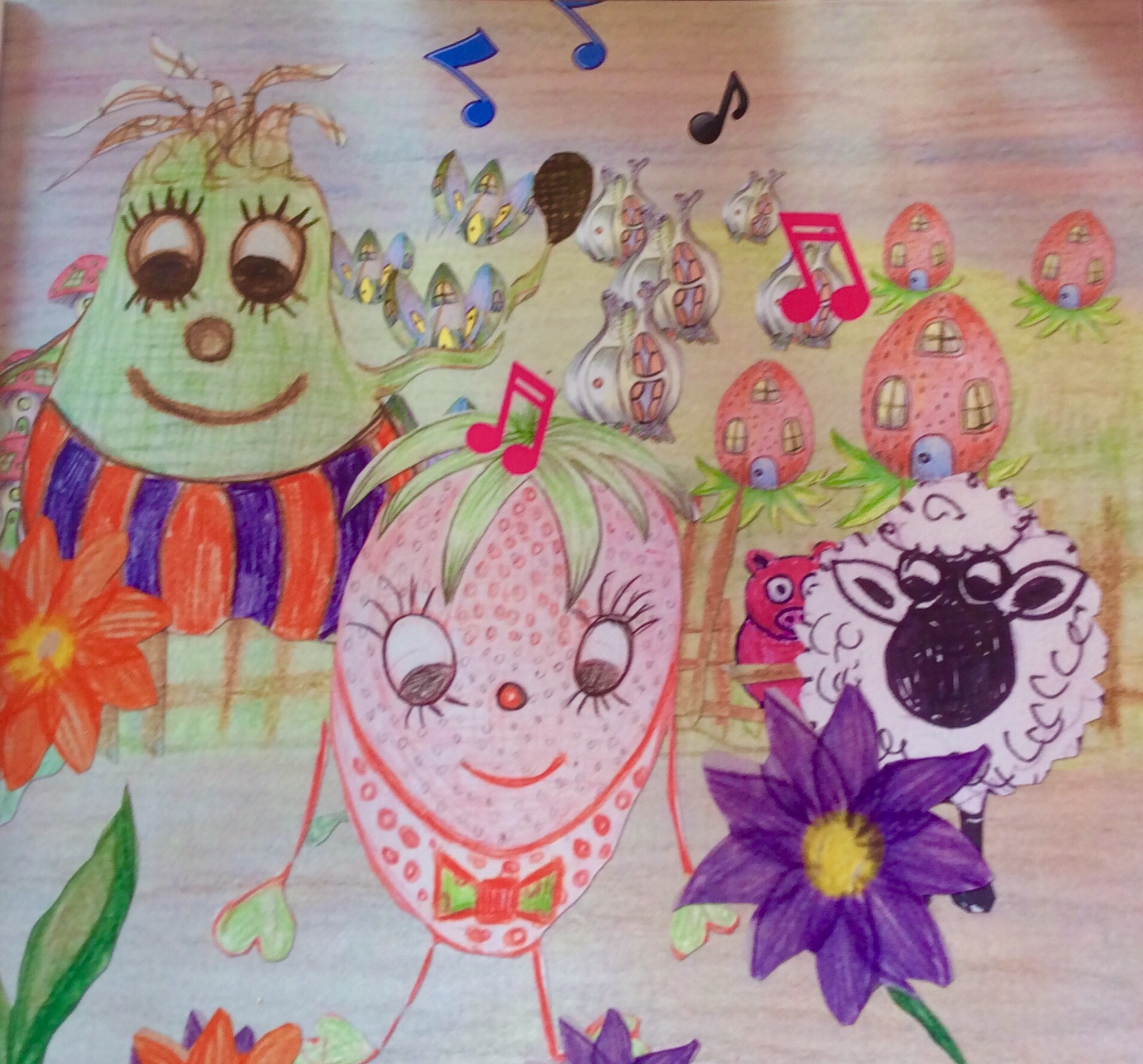
I wrote this series of picture books last year during a set of story-writing Workshops I held for children aged seven and eight years old. (Books are available on this website : Books and Birthday Messages
The stories are suitable for reading to children aged between two and five years old and contain lots of repetition and opportunities to respond. The characters are fruit and vegetable ‘people’ hence the name! Each story contains a ‘message’ or lesson in life.
The video below demonstrates how one of the stories, “The Trouble with Pedro Pear” can be retold or ‘acted out’ using pieces of fruit. Any story can be told in this way.
Copywrite: Text and illustrations Copywrite held by myself, Judi Brereton.
.




 Creative Learning for Young Children